
Wall Guards and Wall Protection

(57 results)
Rigid Vinyl Sheets and Strips -A829
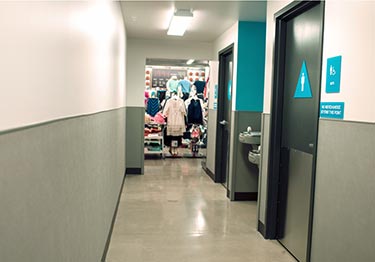


InPro® Palladium® Wall Panels, Strips, and Rolls-A699
CS Acrovyn® Rigid Sheet and Trim-A263
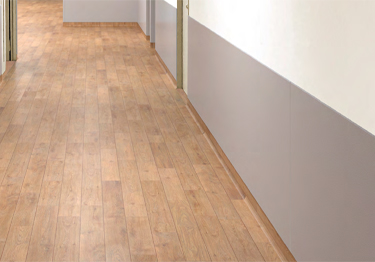
Wall Sheet, Rub Strips and Trim by Korogard® -A625

Wall Guard with Aluminum Retainer-A825

Subway Tile FRP Sheets by Marlite Symmetrix-A390
McCue Wall Guard Bumpers Rigid GreenGuard 1, 2 | Flexible CartGuard 1, 2-A6903

CS Acrovyn® SCR and BG Model Crash Guards-A237

FRP Fiberglass Reinforced Sheets | Smooth Surface by Marlite-A394
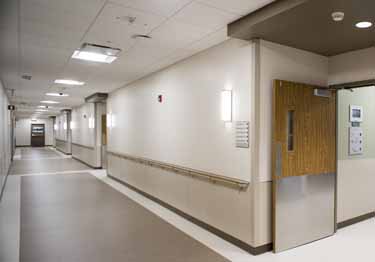
FRP Fiberglass Reinforced Sheets | Pebble Design by Marlite-A392
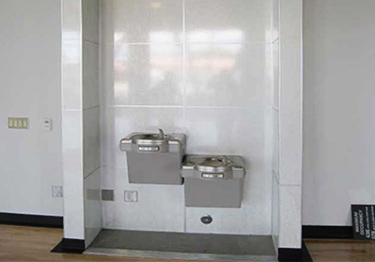
InPro® Wall Guards Standard-A687

McCue Wall Guard Bumpers

CORNER GUARDS
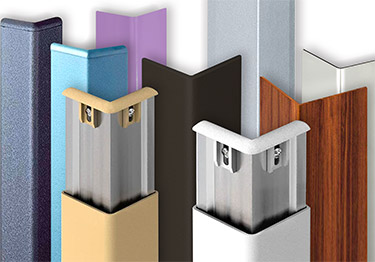
Johnsonite | Tarkett Millwork Chair Rail-A426

Flexible Wall Coverings

Floor Mounted Bumper Guards
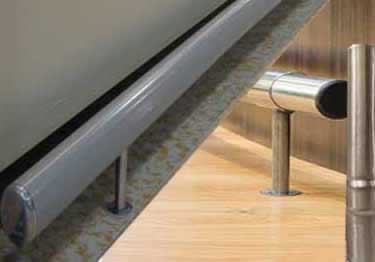
Modular Rail System - Boston Group-A296

Diamond Plate Sheets, Wall Panels, and Tiles-A422
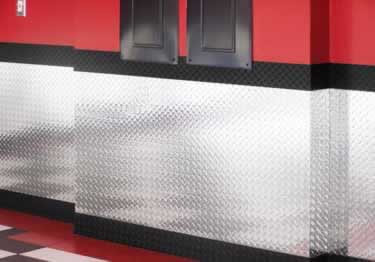
Chair Rail InPro 2500 Trim-A704

Wall Chair Rail InPro 2700 -A703

InPro® Wall Guards Designer-A690

InPro® Wall Guards | Woodland-A6961

Flexible Paint | Stain Wood Grain Flat Stock-A251
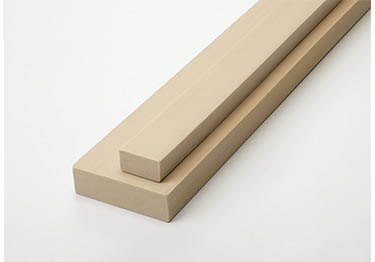
Smooth Metal Chair Rail -A536
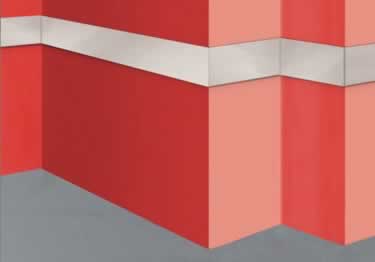
Wall Guard Bumpers by Boston Retail

McCue Guide Rails-A1339
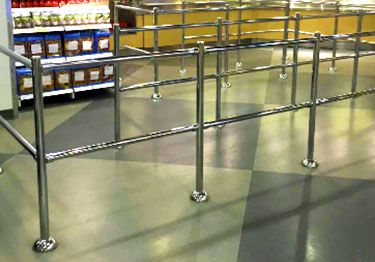
CS Acrovyn® Crash Rubstrips-A236
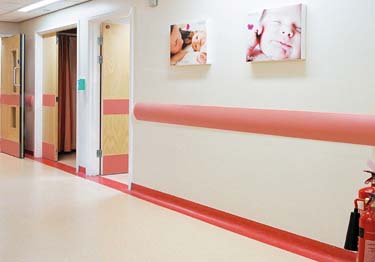
Chair Rails | Clear Plastic Lexan-A824

Plastic Wall Protection Sheets

Heavy-Duty Bumpers and Wall Guards | Industrial and Commercial-A688

Parking Bumper with Optional High-Visibility Yellow Strip by InPro-A666

Wall Guards | Designer Series-A826

Diamond Plate Chair Rail -A424
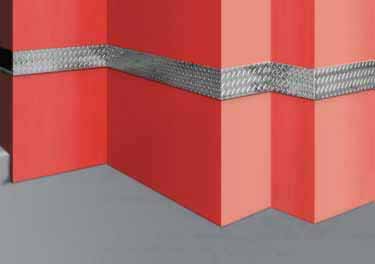
Plastic Diamond Plate Wall Protection By InPro®-A440
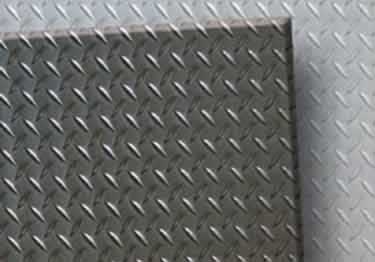
InPro® NuTree Wall Guards-A689

Wall & Edge Guards for Safety

Plastic Handrails | Standard-A827

Plastic Handrails | Designer Series-A828

CS Acrovyn® Wall Protection Microtextured Sheets -A262
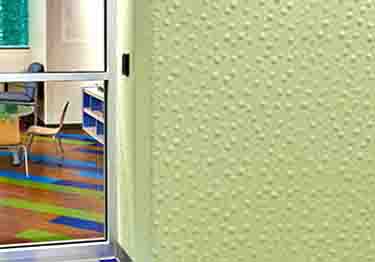
CS Acrovyn Rubber Crash Rails-A266
CS Acrovyn® FR Model Crash Guards-A235

CS Acrovyn® Rigid Sheets | Metallics Collection-A265

Kitchen Backsplash Kit from AquaWalls-A920

Door Skin by MDC-A1325

End Wall Protector-A678
Flexible Paint | Stain Wood Grain Chair Rails-A254
InPro Palladium® Faux Wood Panels, Strips, and Rolls-A697
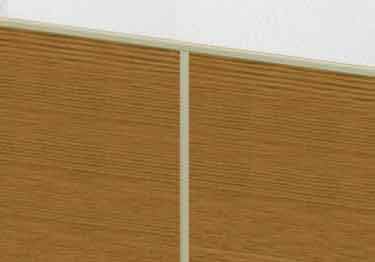
Decorative Wall Panels
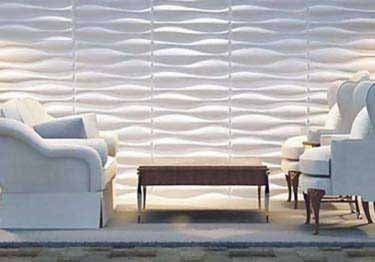
Vinyl Wall Panels and Corner Guard Adhesive-A406

Expanded Metal Flattened Sheets | Aluminum-A446
Door Stops and Wall Protectors

InPro Palladium® Metallic Wall Panels, Strips, and Rolls-A701
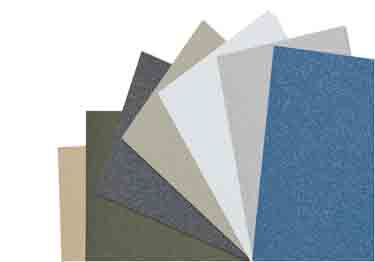
InPro Palladium® Patterns Wall Panels and Sheets-A702
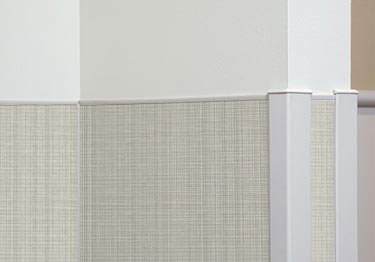
Palladium® Beadboard Panels - Wood Grain & Solid Colors-A700
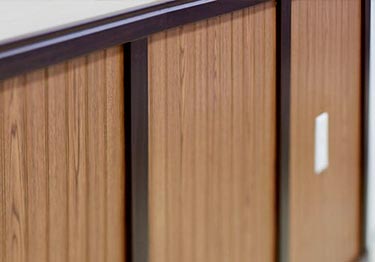
Smooth Metal Sheets, Wall Panels and Tiles-A838
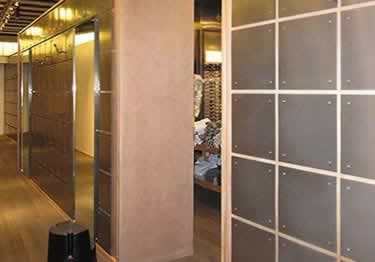
Wall Protection System-A442

Wood Wall Planks | Peel and Stick-A444

Wall Guards and Wall Protection Information
Wally and Floora Say:

Wally Says:
Floora, did you know, wall guards act as the shield of your walls, safeguarding them against the bumps and scratches of daily life. They're the unsung heroes in hospitals, schools, offices, and even homes, keeping walls pristine and maintenance costs down.
Navigating through the maze of wall guard options might seem overwhelming, but here's a little guidance to make your choice clearer:
- Material Matters: Choose from PVC, rubber, or stainless steel. PVC is lightweight and offers a variety of colors. Rubber provides shock absorption and is durable for high-impact areas. Stainless steel delivers unmatched strength and a sleek, modern look.
- Design and Functionality: Consider wall protection with reflective or glow-in-the-dark strips for added safety in low-light conditions. Also, think about the height and protrusion from the wall to ensure adequate protection without obstructing pathways.
- Sustainability: For the environmentally conscious, look for wall guards made from recycled materials or those that offer low VOC emissions.
Buying Tip: For areas with heavy equipment or frequent traffic, consider heavy-duty rubber wall guards for maximum protection and durability. If aesthetics are a concern, PVC wall guards come in various colors and designs to match any interior.
Find More Wall Guard Selections
Floora Says:
Thank you! Wally, are you concerned about the complexity of installing wall guards? Don't be! With the right approach, you can install wall guards with ease. Here are some installation tips:
- Preparation is Key: Make sure the wall is clean and smooth. For most wall protectors, adhesive backing or mounting hardware will be provided.
- Measure Twice, Install Once: Accurate measurements are crucial for a seamless fit. Mark your wall carefully where each guard will be placed.
- Follow the Instructions: Adhesives vary by material type; some may require a curing time. If your wall guards come with hardware, use the appropriate tools to secure them firmly.
- Color Matching: Don't overlook the importance of aesthetics. Wall guards should complement your space, not clash with it. Consider the overall color scheme and design theme when selecting your wall guards.
Buying Tip: E-Z Clip technology makes installation a snap! Wall protectors with E-Z Clip are made from recycled materials, perfect if you want a "green" environmental designation for your building project. Protect your walls and enhance the environment at the same time!
Shop Wall Guards by Type
Start with what hits the wall. A wheelchair footrest, a rolling desk chair and a pallet jack each need a different guard. Pick the type, then narrow it down by profile height and mounting.
Crash Rails and Bumper Rails
A crash rail runs the length of a corridor at the height where carts, gurneys and beds make contact. CS Acrovyn, InPro, McCue, Boston Retail and our own lines all make one. Compare them on our crash rails page.
Vinyl Wall Guards on Aluminum Retainers
This is the hospital corridor standard. A textured vinyl cover rides on a continuous aluminum retainer, held off the wall by rubber spacers. Our wall guard with aluminum retainer comes in 2-15/16, 4, 6 and 7-3/4 inch widths, 70 colors and 12 foot lengths. The two widest sizes also take E-Z Clip mounting, with 10 clips per length.
InPro Standard profiles run from 1-1/8 to 7-3/4 inches high, all in 12 foot lengths.
Rubber and Flexible Bumpers
Rubber takes a hit and gives a little back. CS Acrovyn rubber crash rails are EPDM, 2-3/8 to 7-11/16 inches high, and work indoors or out. Our heavy-duty bumpers come in rubber or urethane, from a 1-3/4 by 2 inch D profile up to 6 by 6 inches.
Flexible bumpers follow a curve. Boston Retail EcoFlex bends to a 3 inch radius. McCue CartGuard ships in 72 foot coils and wraps fixture corners down to a 4 inch radius.
Stainless Steel Wall Guards
Stainless suits a corridor that has to look sharp and clean easily. The McCue stainless steel bumper snaps a brushed 2 inch top onto a polycarbonate base, in 8 foot lengths, with the fasteners hidden behind the faceplate. McCue lists it for retail, grocery stores, airports and hospitals.
Wood Grain and Decorative Wall Guards
Lobbies and patient rooms often want a guard that reads as trim. InPro Woodland puts 24 wood grain finishes on 4, 5 and 7-3/4 inch profiles, and it carries GREENGUARD Children and Schools certification.
InPro NuTree wall guards are 94% recycled plastic, 5-1/2 to 9-1/2 inches high and up to 1-1/2 inches thick, with an NFPA Class B fire rating. For a shaped profile, our Designer Series wall guards run six styles, from the 1-1/2 inch Simplicity to the 8 inch Curved II.
Foam Bumper Guards
Safety foam bumper guards from American Permalight are flexible polyurethane in black and yellow, photoluminescent and reflective finishes. They cushion protruding corners, edges and machinery. Most are self-adhesive, and a utility knife cuts them to length. Pieces run 39-3/8 inches, and several types also come in 16 foot lengths.
Floor Mounted Bumper Guards
Some walls need a barrier before a cart gets close. McCue CartStop rails anchor to the floor with flange anchors, in 4 to 12 foot assemblies, for indoor or outdoor use. See every option in floor mounted bumper guards.
Handrails
A handrail gives people something to hold and keeps carts off the wall at the same time. Browse interior handrails.
Brand Lines
Working from a manufacturer spec? We stock InPro wall guards, CS Acrovyn crash rails, McCue wall guards, Boston Retail wall bumpers and Koroseal Korogard wall protection.
Wall Protection Sheets
A wall guard protects a band of wall. To cover the full surface, browse rigid vinyl, FRP, Palladium and Acrovyn sheets on plastic wall protection sheets.
Choosing Wall Guards by Space
Each space has its own impact source. Here's where to start.
- Hospitals and Wheelchairs
Use a rigid guard on an aluminum retainer. Our retainer and Designer Series lines are built for wheelchair, cart and furniture impacts, and InPro Woodland lists bed and wheelchair collisions. For a wide end wall, the end wall protector pairs two corner guards with 2 inch wings and a vinyl filler strip, fits walls up to 9 inches thick and carries a Class A fire rating. -
Offices and Chairs
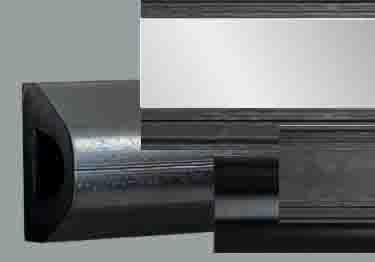
Rolling chairs hit low and often. CS Acrovyn FR crash guards are made to protect walls from chairs and carts in hallways, offices and conference rooms, in 2 to 4-1/2 inch heights and 89 colors. Boston Retail EcoRigid 1000 and 2000 bumpers are 1 and 2 inches wide, so they stay discreet. -
Schools
Hallways take scuffs from backpacks, carts and chairs. CS Acrovyn crash rubstrips cover 4 to 24 inches of wall in a faux suede texture and mount with tape or glue. InPro Woodland's GREENGUARD Children and Schools certification suits classrooms. -
Warehouses, Docks and Carts
Go heavy. Rubber crash rails and heavy-duty bumpers handle loading docks and parking garages. NuTree suits back of house areas. For garage walls that take vehicle hits, the Wall Protection System uses 39.3 by 27.6 inch ARPRO panels, 1-1/3 inches thick, on wall clips. On grocery and retail floors, a CartStop rail keeps carts back from the wall.
Mounting Height
Mount the guard where the impact actually lands. Measure the chair arm, the wheelchair footrest or handrim, or the cart and bed bumper against the wall, and center the guard on that line. When hits spread over a range of heights, choose a taller profile, such as the 7-3/4 inch retainer guard or an 8 inch Curved II, or run two rows.
Wall Guard Comparison
Every figure below comes from the product page for that line.
| Type | Where it fits | Sizes | Mounting |
|---|---|---|---|
| Vinyl on aluminum retainer | Hospital and school corridors, wheelchair and cart traffic | 1-1/8 to 8 in high, 12 ft lengths | Continuous retainer, retainer clips or E-Z Clip |
| Acrovyn crash rails and rubstrips | Hallways, offices, conference rooms | BG 2-3/4 and 4 in; SCR 4 to 8 in; rubstrips 4 to 24 in; 9 ft 6 in to 10 ft lengths | Retainer, adhesive or tape, by model |
| Rubber and urethane bumpers | Docks, garages, warehouses, indoor or outdoor | Acrovyn rubber 2-3/8 to 7-11/16 in high; heavy-duty profiles up to 6 by 6 in; 6 to 10 ft lengths | Screws, drilled or undrilled |
| Snap-on polycarbonate and vinyl bumpers | Retail, healthcare, education | 1, 2, 3 and 8 in wide; 12 ft rigid, 36 and 72 ft coils | Top snaps onto a mounting base |
| Stainless steel bumper | Retail, airports, hospitals | 2 in wide, 8 ft lengths | Snaps onto a polycarbonate base |
| Wood grain and recycled plastic | Lobbies, patient rooms, back of house | 4 to 9-1/2 in high, 12 ft lengths | Aluminum retainer or clips (Woodland) |
| Foam bumper guards | Machinery, protruding edges, low clearance | 39-3/8 in pieces or 16 ft lengths | Self-adhesive, steel support on some types |
Fire ratings vary by line. The End Wall Protector lists Class A and NuTree lists NFPA Class B. Ask our team for current test data on any other line before it goes into a specification.
Wall Guard FAQ
What Is a Wall Guard?
A wall guard is a rail or strip mounted along a wall at the height where carts, chairs, beds and wheelchairs make contact. It takes the impact so the drywall and paint don't. Common materials are vinyl on an aluminum retainer, rubber, polycarbonate, stainless steel and foam. Most ship in 6 to 12 foot lengths, with end caps and corners to finish each run.
Are Bumper Guards and Wall Guards the Same Thing?
Mostly, yes. Bumper guard, wall bumper, wall protector and crash rail all describe a guard mounted along a wall. Bumper guard usually means a projecting, cushioned profile, such as the CS Acrovyn BG bullnose at 2-3/4 or 4 inches high. Floor mounted bumper guards are the exception. They anchor to the floor and stop carts before they reach the wall.
How Do I Protect Walls From Chairs?
Mount a slim guard at the height where the chair back or arm meets the wall. Boston Retail EcoRigid 1000 and 2000 bumpers are 1 and 2 inches wide, and Boston names rolling desk chairs as an impact source. CS Acrovyn FR crash guards are built for chairs and carts in offices and conference rooms. In a dining or meeting room, a chair rail does the same job with a trim look.
What Are the Best Wall Guards for Wheelchairs?
Pick a rigid guard on an aluminum retainer, wide enough to cover the footrest and the handrim. Our wall guard with aluminum retainer and our Designer Series are both made for wheelchair, cart and furniture impacts, in widths up to 8 inches. InPro Woodland adds wood grain for resident rooms. Where people need support along the corridor, a handrail protects the wall and gives them a grip.
What Height Should a Wall Bumper Be Mounted?
Mount it at the height where the impact lands, which differs for every space. Hold the chair, wheelchair or cart against the wall, mark where it touches, and center the guard on that mark. If impacts spread over a range, use a taller profile or two rows of guard.
Are Rubber or Vinyl Wall Guards Better?
Rubber wins on heavy impact, and vinyl wins on looks. Rubber absorbs the hit, mostly comes in black, and suits docks, garages and warehouses. CS Acrovyn rubber crash rails also work outdoors. Vinyl fits finished interiors, with 70 colors on our retainer lines and 89 on CS Acrovyn. McCue's recycled polycarbonate sits in between, and McCue rates it 29% above PVC on impact.
How Are Wall Guards Installed?
Most use one of three methods. Retainer guards screw an aluminum retainer to the wall, then the cover goes on. Snap-on bumpers from McCue and Boston Retail mount a base first, then the top snaps on. Rubstrips and foam guards go on with tape or self-adhesive backing. Mounting screws aren't included with our retainer guards, so add them to the order.
Should I Use Wall Guards or Wall Protection Sheets?
Use wall guards where impacts land along a predictable line, such as a corridor with carts or a room with chairs. Use sheets where the whole wall takes abuse, such as a kitchen, a loading area or a busy stairwell.