
Corner Guards & Wall Protection Products

(44 results)
Corner Guards Textured-A677
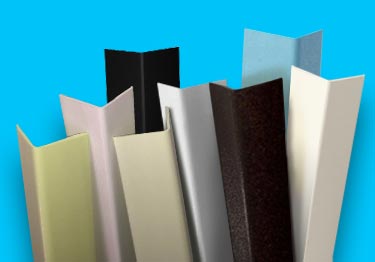


Stainless Steel Corner Guards-A674
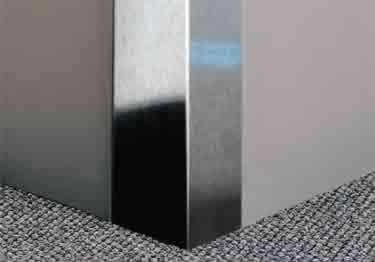
Colored Metal Corner Guards-A443
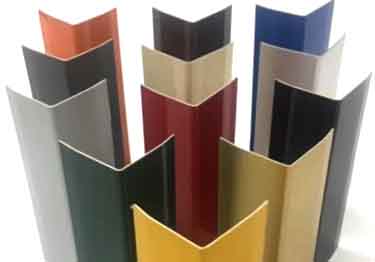
Clear & Colored Smooth Corner Guards-A673

Koroseal Korogard G100 Corner Guards | Aluminum Retainer-A136
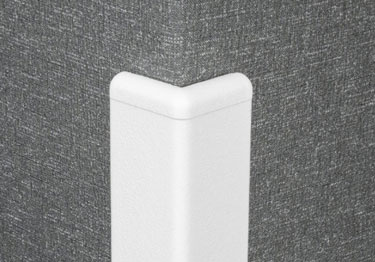
Koroseal Korogard Textured Corner Guards | G800 Series-A670
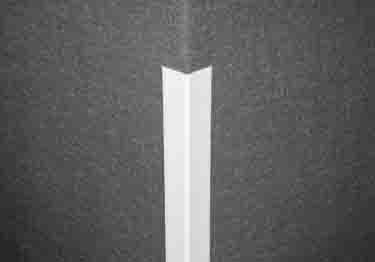
CS Acrovyn Corner Guards
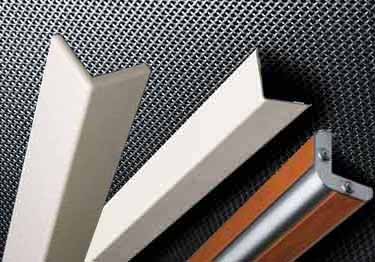
Corner Guards with Aluminum Retainer-A676
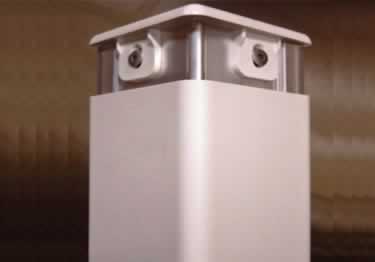
InPro® Corner Guards
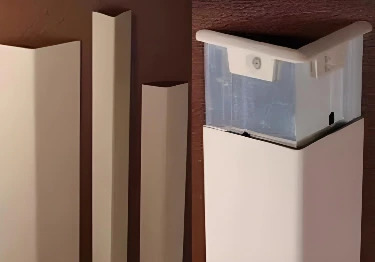
Corner Guards Plastic | Paintable-A679
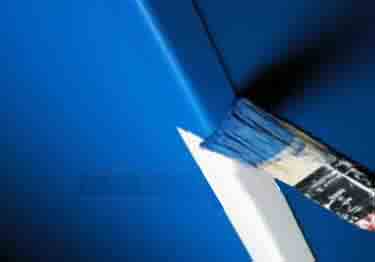
Johnsonite | Tarkett Millwork Vinyl Corner Guards-A681
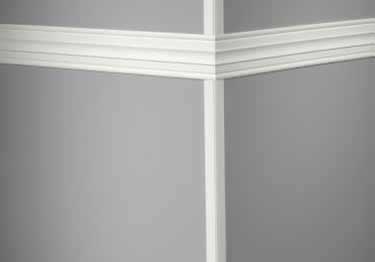
InPro® Woodland & Pattern Corner Guards -A680
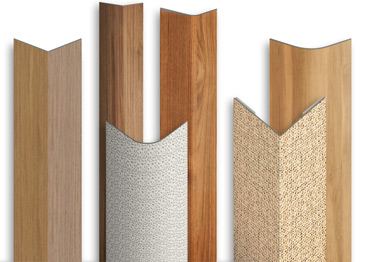
Flexible Vinyl Corner Guards by InPro®-A686
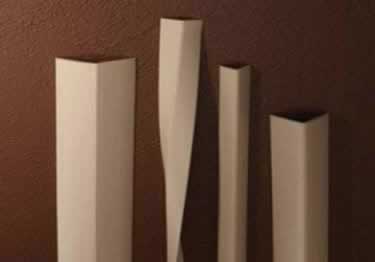
McCue Stainless Steel Corner Guards-A1334
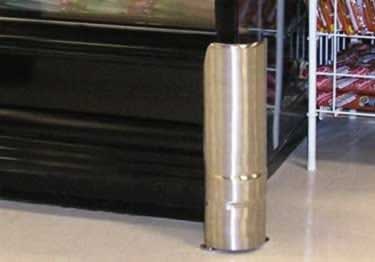
Door Frame & Corner Temporary Protection-A1100
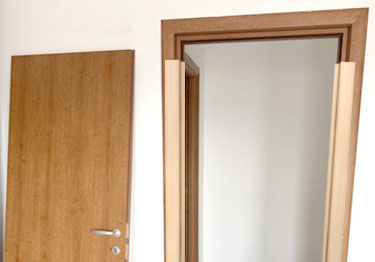
Roppe Corner Guards Rubber and Vinyl-A693
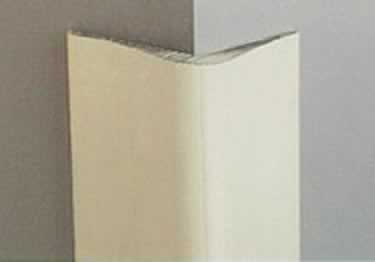
Diamond Plate Wall Corner Guards-A417
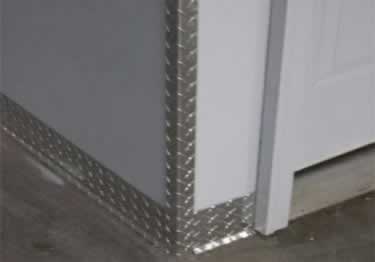
Heavy Duty Rubber Corner Guards-A692
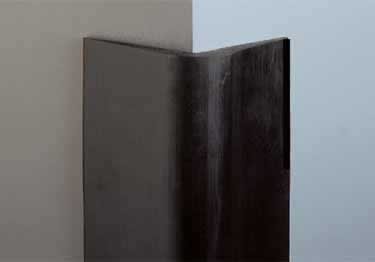
Gold Metal Corner Guards | Anodized Aluminum-A6732
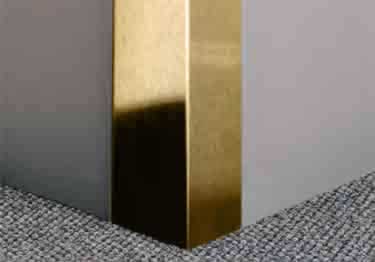
Aluminum Corner Guards-A675
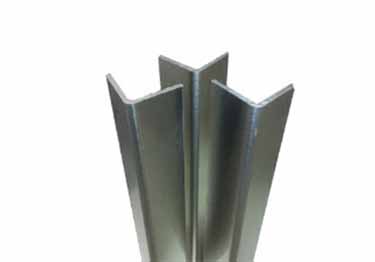
Metal Wall Corner Guards with Woodgrain Finish-A450
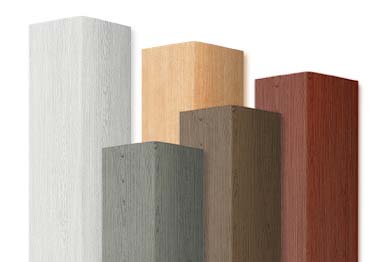
CS Acrovyn Rubber Crash Rails-A266
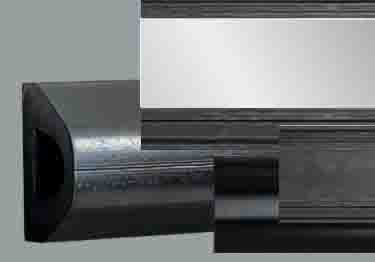
Rubber Parking Bumpers by Inpro-A667
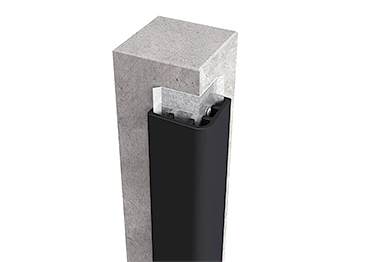
Parking Bumpers with Optional High Visibility Yellow Strip by Inpro-A668
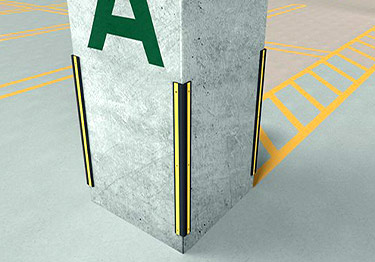
Stainless Steel End Wall Guards | Caps-A128
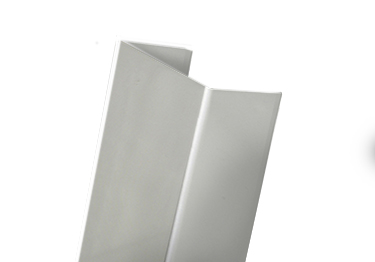
Floor Mounted Bumper Guards
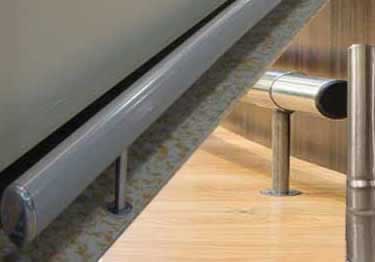
Bar Stool Foot Rail Protectors-A710
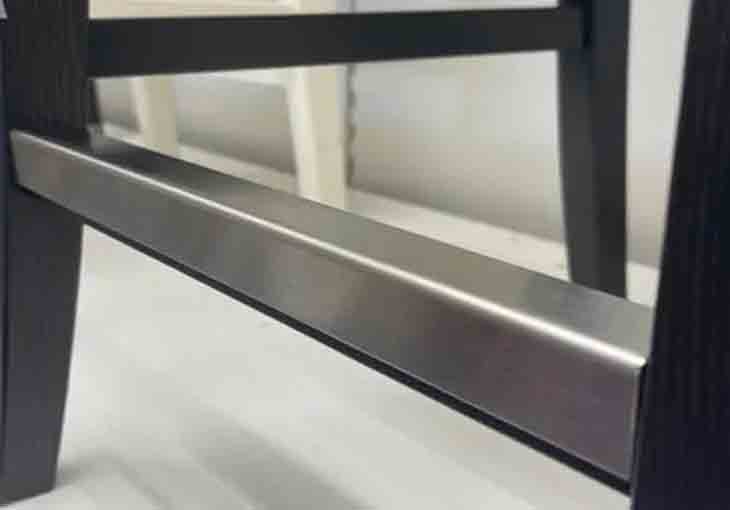

Colored Metal End Wall Guards | Caps-A129
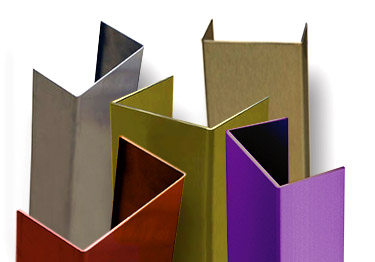
Steel Bollard Kit from McCue-A279

End Wall Protector-A678
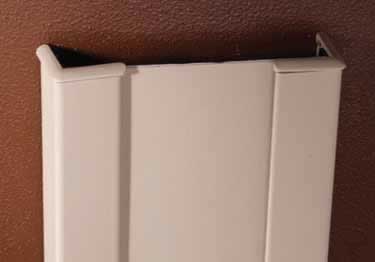
Flexible Paint | Stain Wood Grain Corner Guards-A1125

Vinyl Corner Guards Glow in the Dark-A590

American Permalight Safety Foam Bumper Guards-A1303
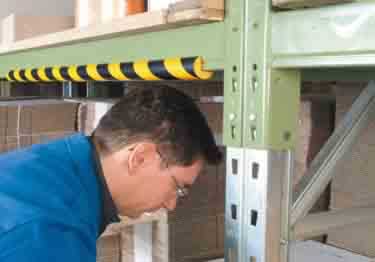
American Permalight Foam Bumper Corner Guards-A1301
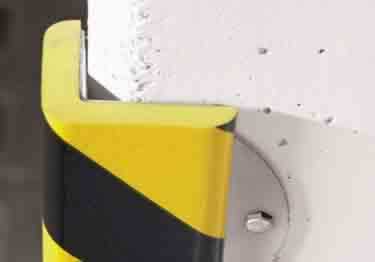
McCue CartGuard Corner Guard Bumper System-A244
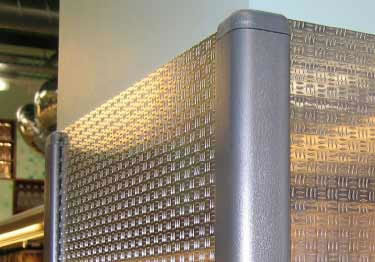
American Permalight Foam Bumper Wall Guards-A1302
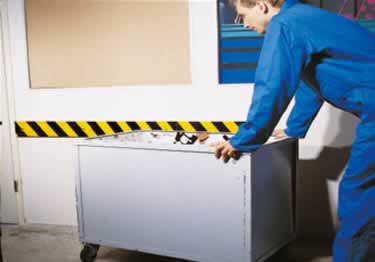
Corner Guard Heavy-Duty Protection-A441
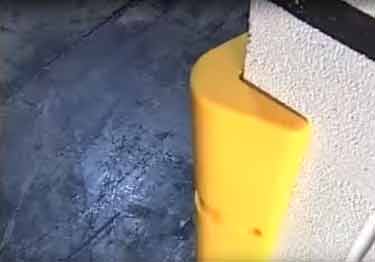
CS Acrovyn Rubber Corner Guards-A267
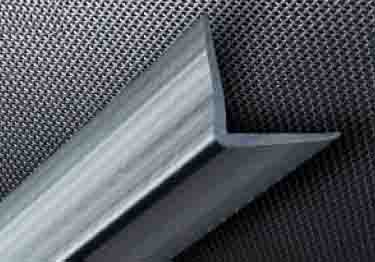
Flush Mounted Corner Guards-A465
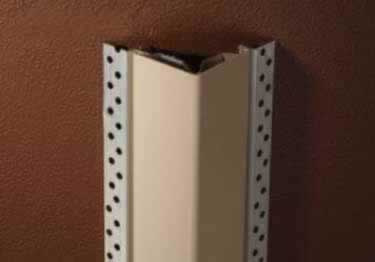
InPro® Corner Guards Aluminum Retainer Woodland-A682
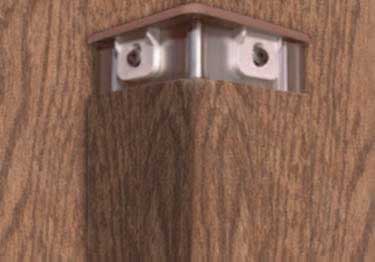
Bollard Covers from McCue -A1337
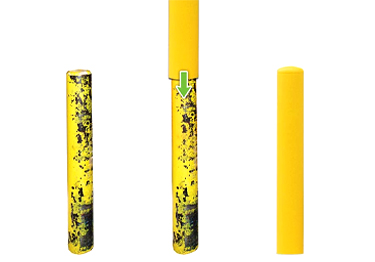
Pillar and Column Protectors-A1316
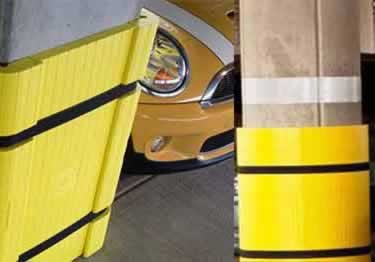
Sentry Column Protector-A270
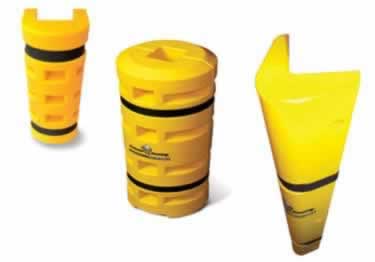
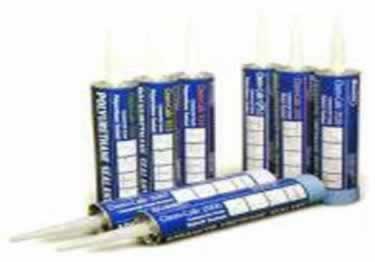
Plastic Corner Guard Adhesive-A407
Corner Guards & Wall Protection Products Information
Wally and Floora:

Wally Says:
Floora, did you know, corner guards are the unsung heroes in protecting your walls? Like a trusted goalkeeper, they're there to save the day by preventing damage from impacts, scrapes, and bumps. No matter if you're in a bustling office space, a lively school hallway, or your cozy living room, corners are prone to damage. That's where wall corner guards come in to play defense!
Choosing the right corner guards comes down to understanding your room's needs:
- Material Choices
From durable PVC to sleek stainless steel and everything in between, each material offers unique benefits. PVC is versatile and comes in various colors, stainless steel offers unmatched durability and a clean look, while rubber provides shock absorption ideal for high-traffic areas. -
Design and Aesthetics
Consider the design that complements your space. Clear guards maintain the look of your walls, while colored options can either blend in or stand out, based on your preference. -
Safety Standards
For environments like hospitals and schools, look for corner guards that contribute to safety and hygiene, with easy-to-clean surfaces and designs that prevent injury.
Buying Tip: Assess the level of traffic and potential impact in your area to choose the appropriate thickness and material. For high-impact zones, heavy-duty metal corner guards or rubber corner guards are advisable.

Floora Says:
Thank you, Wally! Are you worried about installation? Fear not! Installing corner guards is a straightforward process that can significantly enhance the longevity and appearance of your walls. Here's how to do it right:
- Surface Prep
Make sure the corner and surrounding wall area are clean and free of debris. This ensures the adhesive or mounting hardware adheres properly. -
Measure Carefully
Accuracy is key. Measure the height of your wall to ensure the corner guard fits perfectly from floor to ceiling or in the specific area where you need protection. -
Adhesive vs. Hardware
For most PVC and rubber corner guards, adhesive backing is common and provides a quick, easy install. Metal guards may require drilling and screws for a secure fit. -
Color Coordination
Matching or contrasting colors with your wall can add an aesthetic touch. Don't be afraid to choose bold colors for a playful space or sleek designs for a more professional environment.
Buying Tip: Before beginning your installation, gather all the necessary tools and ensure you have the correct adhesive or hardware. Koffler Sales offers a comprehensive selection of corner guards and all the accessories you might need for a seamless installation.
Wholesale And Bulk Corner Guards
When you shop wholesale corner guards from Koffler, you're choosing quality and variety for all your project needs. Whether it's a large-scale commercial renovation or a small residential update, Koffler offers a wide selection of colors and materials to perfectly match any design. The corner guards we offer are designed to provide durability and aesthetic appeal, ensuring both protection and style for your spaces.
With Koffler, you're not just buying a product; you're investing in a long-term solution, tailored to your specific project requirements. For personalized assistance, call us at 888-725-9948 and let our experts help you find the perfect corner guards for your project.
Shop Wall Corner Guards By Material
Each material now has its own page. Start with what hits the wall. Then narrow it down by wing width and length.
Vinyl And PVC
Vinyl suits offices and hotel hallways. It carries the deepest color range, up to 86 shades. Pick a textured or smooth finish. Flexible profiles bend to fit a corner. Retainer systems add an aluminum backbone for heavy carts. Browse our vinyl corner guards.
Rubber And EVA
Rubber absorbs hits from vehicles and pallet jacks. Our thickest profile measures 0.875 inch at the corner. It's built for loading docks and parking garages. See our rubber corner guards.
Stainless Steel And Aluminum
Metal gives a busy wall a finished look. Type 304 stainless is easy to sanitize. It suits commercial kitchens and hospitals. Aluminum runs to 38 colors, plus diamond plate. Compare metal corner guards.
Clear And Colored
Want the wall finish to show? Clear polycarbonate keeps it visible. Start with the clear and colored smooth corner guards.
Columns And Rack Uprights
Columns need a guard that wraps all the way around. Round and square styles have their own page. See our column protectors.
Brand Lines
Working from a manufacturer spec? We stock InPro and CS Acrovyn lines. See InPro Corner Guards. Or compare CS Acrovyn Corner Guards.
Corner Guard Specifications And Downloads
Specifying corner guards for a commercial project? These are the numbers your submittal needs. Every figure below comes from the product line we stock, so you can pull dimensions straight into a schedule.
| Material | Where it fits | Wing widths | Lengths | Mounting |
|---|---|---|---|---|
| Vinyl and rigid PVC | Offices, hotels, schools | 3/4 in to 4 in | 4 to 12 ft | Adhesive, tape or retainer |
| Clear polycarbonate and PETG | Finished walls that should show | 5/8 in to 3 in | 4 ft, 94 in, 8 ft | Peel and stick, nails or screws |
| Rubber, EVA and foam | Docks, garages, warehouses | 1 in to 4 in | Cut to order, up to 16 ft | Adhesive, screws or straps |
| Aluminum | Finished commercial interiors | 1/2 in to 6-1/2 in | 12 to 120 in | Screws or adhesive |
| Stainless steel | Kitchens, hospitals, cart traffic | 3/4 in to 6-1/2 in | 1 to 10 ft | Screws, adhesive or tape |
Need gauge, thickness or fire data for one line? Each material page lists it in full.
Installation instructions are published for the retainer system, the clear and colored smooth guards, and the LG series. Ask our team for the sheet that matches your line.
Fire ratings, flame spread, smoke developed, and impact test results vary by manufacturer and by product line. Contact us for the current test data on any line before you write it into a specification.
"Most people ask about material first. I ask how the wall gets hit. A corridor that takes cart traffic every day wants a retainer system with a cover you can swap out. A dining room corner wants a profile you can paint and forget about. Answer that question and the material picks itself."
Ron Starr, President and Co-Founder, Koffler Sales
Corner Guard FAQ
What height do corner guards usually come in?
Most corner guards come in 4 foot and 8 foot heights. Four feet covers the impact zone in homes, offices, and classrooms. Eight feet suits corridors where carts, gurneys, and pallet jacks ride high on the wall. Select products also come in 1, 2, 5, 10, and 12 foot lengths. Shorter runs get cut from a standard length, which costs far less than a custom order. Our height guide walks through 4 ft vs 8 ft and how to cut to size.
Are corner guards really necessary?
Yes, anywhere corners take repeated hits. The outside corner is the most exposed part of a wall, and the drywall corner bead underneath dents easily. A guard takes the impact so the bead stays straight. That stops the patch, sand, prime, and paint cycle from repeating year after year. We ran the numbers on protection cost against five years of wall repair. If a corner is already damaged, fix the dents and bent bead first, then protect it.
When should you install corner guards?
Install them wherever wheeled equipment meets a wall. Hospitals, schools, hotels, warehouses, and offices see the most damage, because carts, wheelchairs, and luggage clip the same corners every day. Kitchens, garages, and hallways follow the same pattern at home. New construction is the easiest moment to install. Guards also mount cleanly over finished walls, so a retrofit works well too.
Are floor-to-ceiling corner guards an option?
Yes. Full height protection is available in flexible vinyl, rigid PVC, aluminum, and stainless steel. Aluminum retainer systems mount ceiling to floor, or only across the zone where damage happens. Anything taller than 8 feet usually ships as oversize freight, so confirm shipping before you order a single tall piece.
What materials are best for corner protection?
Match the material to the traffic level.
- Vinyl and rigid PVC
Affordable, easy to install, and available in dozens of colors. Best for homes and light commercial rooms. -
Rubber
Thick and impact resistant, built for warehouses, garages, parking structures, and loading docks. -
Clear polycarbonate and PETG
Protection you barely notice, so a finished wall keeps its look. -
Metal
Aluminum for a finished look, and Type 304 stainless steel for the hardest working corners.
Match the material to the traffic first. Wing width and mounting follow from there.
What size corner guard do I need?
Wing width should match the size of the impact. A 3/4 inch to 1-1/8 inch wing suits homes and light commercial rooms. A 1-1/2 inch or 2 inch wing covers most commercial corridors. Wings of 3 inches and up handle cart and forklift traffic, and stainless steel runs as wide as 6-1/2 inches. Wider wings also spread each hit across more of the wall.
Do corner guards fit angled or rounded corners?
Yes. Many profiles come in a 135 degree version for wide angle corners. Flexible vinyl from InPro adjusts about 10 degrees either way, so it sits on corners that sit slightly out of square. Aluminum retainer systems also offer a bull nose profile for rounded corners. Measure the angle before you order, because a 90 degree profile will not sit flat on a wide corner.
How do you attach a corner guard to the wall?
Three methods cover almost every job. Peel and stick tape works on clean, dry drywall in light traffic. Adhesive gives a stronger bond, and one cartridge of plastic and wood adhesive covers about 32 linear feet. Screws through drilled or countersunk holes hold best in heavy traffic and on stainless steel. Clean the corner first either way, since surface prep decides whether the bond holds. Our comparison of peel and stick vs screw in mounting covers the trade-offs.
Can corner guards match our existing colors?
Almost always. Flexible vinyl comes in 86 colors. Retainer systems offer 10 value colors plus more than 70 standard colors. Aluminum comes in 38 satin or gloss finishes. Paintable profiles take the same paint as the wall, so they vanish once the coat dries. Clear polycarbonate lets the wall finish show through. Johnsonite guards also match Johnsonite wall base colors, which keeps a coordinated interior consistent. See the top brands we stock and where each one is specified.
How many corner guards do I need for a project?
Order one guard for every outside corner that gets bumped. Walk the space with a floor plan and mark the corners where carts, doors, and furniture pass. Retainer systems arrive with the retainer, the cover, and two end caps included. Add a few spare covers for the busiest corridors, because a cover swaps out without touching the retainer behind it.
How quickly can we get corner guards for a project?
Standard 90 degree profiles in stock colors ship quickly. Custom sizes and non stock colors on retainer systems can run about four weeks, so specify those early. Eight foot retainer guards carry a $15 per order shipping surcharge. For a large or phased job, contact our team and we will confirm lead times before you commit.
What are wall corner protectors called?
Corner guard is the standard trade name. Buyers also search for corner protectors, wall corner protectors, corner shields, and corner covers, and they all describe the same product. Architects and spec writers almost always write corner guard. Corner beads are a different item. That is the metal or plastic edge buried inside the drywall, and a guard mounts over the finished corner to protect it.
What is the best way to protect wall corners?
Mount a rigid guard over the finished corner. That stops the impact before it reaches the drywall, which is what makes it different from patching after the fact. Cover the height where the hits actually land, usually 4 feet in a room and 8 feet in a cart corridor. Clean the corner first so the adhesive or the fastener holds. Repair any existing damage before the guard goes on, because a guard will not straighten a bent corner underneath it.
What are the best corner protectors for walls?
The best one matches the impact your walls take.
- Homes and light offices
Paintable rigid plastic or flexible vinyl, which blends into the wall. -
Commercial corridors
Rigid PVC in an aluminum retainer, because the cover swaps out without touching the wall. -
Warehouses, garages, and loading docks
Rubber for cushioning, or stainless steel for the hardest working corners. -
Finished interiors where the wall should show
Clear polycarbonate.
What are drywall corner protectors?
Drywall corner protectors are corner guards sized for finished drywall. Most mount with self-stick tape or adhesive. Textured and paintable profiles blend into the wall. Garages and storage rooms call for rubber or metal. Match the wing width to how wide hits land.
What are the most heavy duty corner guards?
Heavy duty depends on what hits the wall. Rubber and EVA absorb blows from vehicles and pallet jacks. Our thickest rubber profile measures 0.875 inch at the corner. Stainless steel stands up to daily cart traffic. Retainer systems let you replace a damaged cover alone.
Which corner guards work best in hospitals and schools?
Start with vinyl retainer systems and stainless steel. A damaged cover comes off. A new one snaps on. Several vinyl lines carry a Class A fire rating. Stainless steel is easy to sanitize, which helps in hospitals. Confirm current fire test data before you specify.