
Wall | Ceiling | Corner Expansion Joint Covers

(7 results)
Expansion Joint Covers for Corner | Wall | Ceiling InPro 811 Series-A999
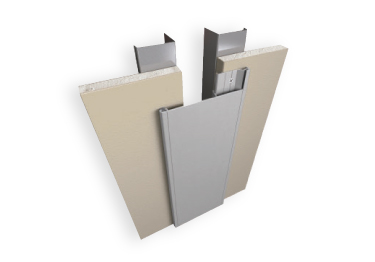

Expansion Joint Covers for Corner | Wall | Ceiling InPro 113 Series-A199
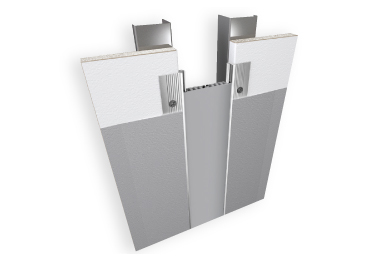
Expansion Joint Covers for Corner | Wall | Ceiling InPro 114 Series-A997
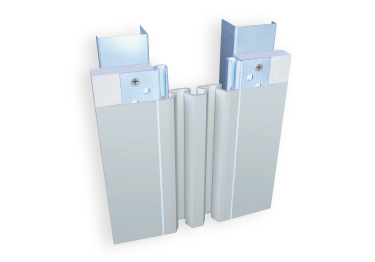
Expansion Joint Covers for Corner | Wall | Ceiling InPro 116 Series-A998
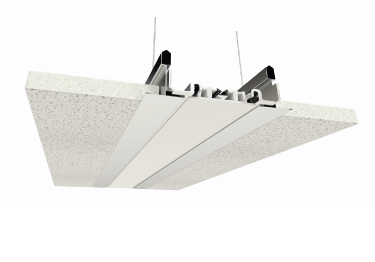
Joint Sealant for Expansion Joint Systems - InPro 995 Series-A298
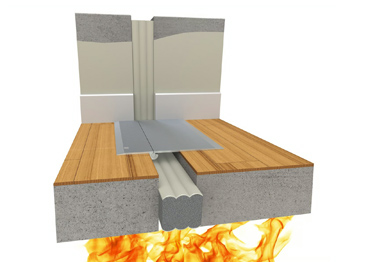
Wall to Wall Expansion Joint Covers InPro 611 Series-A996
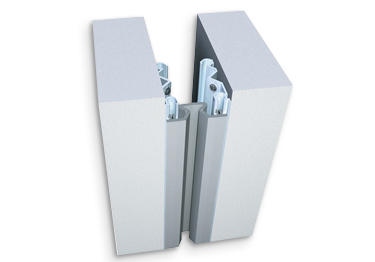
Watertight Expansion Joint System - InPro® 1200-A299
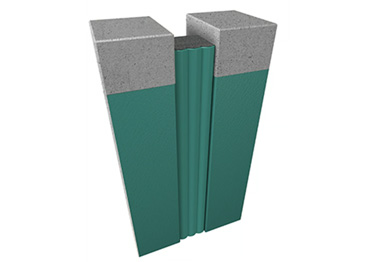
Wall And Ceiling Expansion Joint Covers
Wally and Floora:

Wally Says:
Floora, look up for a second. See that thin line running across the ceiling?
That line is an expansion joint, and it earns its keep. A long corridor grows and shrinks with the seasons, and a wide ceiling plane moves right along with it. A wall or ceiling cover bridges the gap and holds the finish together, so the corridor still reads as one surface from end to end.
Here is what to think about when you choose a wall or ceiling cover:
- Substrate: Drywall systems snap into 5/8 inch board, ceiling systems rivet to the T-bar in a suspended grid, and finished walls take a surface mounted plate. Start here and the list shortens quickly.
- Joint direction: Wall to wall, wall to corner and wall to ceiling each call for their own profile. Corners want a piece built to turn, so count those before you order.
- Seismic movement: Interiors in seismic zones need a seal that stretches. The InPro 114 Series carries a bellows seal that allows for +/- 50% seismic movement.
Buying Tip: Match the cover color to your finish before you order. The 113, 114, 116 and 611 Series all ship in six standard colors, and a close match makes the joint nearly disappear.

Floora Says:
Thank you, Wally! Wall and ceiling covers install faster than floor systems, and the finish work decides how they look. Here is what helps:
- Set the frame first: Fasten the frame to sound substrate on both sides of the gap. The seal or cover plate snaps in afterward, so a straight frame gives you a straight joint.
- Finish around it: The 113 and 114 Series finish with plaster joint compound or wall covering, which lets the joint blend into the wall rather than sit on it.
- Work with the ceiling grid: The 116 Series pop-rivets to a T-bar profile, so coordinate the run with whoever sets the suspended ceiling.
- Plan the corners: Order corner sections along with the straight lengths. Field-cutting a corner from a straight piece rarely gives you the line you wanted.
Buying Tip: Order a few extra feet. Corridors rarely measure exactly what the drawings say, and one spare length beats a second freight charge.
Wall And Ceiling Expansion Joint Covers For Interiors
A building moves vertically as well as horizontally. Long corridors and wide floor plates shift as the structure heats, cools and settles, so designers run a joint up the wall and across the ceiling. A cover bridges that gap and lets the surface read as one clean plane.
Koffler stocks the InPro wall and ceiling range in one place: the 113, 114, 116, 611 and 811 Series, plus the 995 and 1200 Series sealants. Openings run from 1/2 inch through 8 inches. For slab joints, see our floor expansion joint covers. To compare every system across all three surfaces, start from our expansion joint covers page.
Drywall, Suspended Ceiling And Masonry Substrates
What the cover attaches to matters more here than on a floor. Three substrates cover most interior work, and each one takes a different system.
- Drywall
The InPro 114 Series is ideal for 5/8 inch drywall. It snaps into the board and finishes with plaster joint compound or wall covering, so the joint disappears into the wall. -
Suspended ceilings
The InPro 116 Series frame pop-rivets to a T-bar profile in suspended ceilings. It covers 1 inch to 3 inch gaps and mounts recessed or flush. -
Masonry and finished walls
The InPro 811 Series surface mounts in clear anodized aluminum, and its snap-fit cover plate conceals the fasteners. A ratcheted design accommodates uneven or odd-angle wall conditions.
Recess mounted systems give the cleanest line. The InPro 113 Series creates a minimal sightline design, which suits corridors where the joint runs at eye level for the full length of the space.
Wall To Wall, Wall To Corner And Wall To Ceiling Joints
Interior joints meet in several ways, and the profile changes with the geometry. Check which configurations a system covers before you order the run.
| Joint direction | Systems built for it |
|---|---|
| Wall to wall | InPro 113, 114, 611, 811, plus the 995 sealant |
| Wall to corner | InPro 113, 114, 611, 811, plus the 995 sealant |
| Wall to ceiling | InPro 113, 116, 811 |
| Ceiling to ceiling | InPro 113, 116, 811 |
The 113 Series covers all four directions, which keeps one profile running through a whole corridor. Corners take a dedicated piece, so order corner sections with the straight run and the seal color carries through the turn.
Recessed And Surface Mounted Wall Joint Covers
Mounting choice follows the stage of the job. New construction can form a recess and hide the frame. A retrofit usually wants a plate that fastens to the finished surface.
The InPro 113 Series recess mounts with a snap-fit seal. The InPro 611 Series uses a flush mounting system with mechanical anchors or epoxy adhesive, and its Santoprene seals are field heat weldable for weathertight transitions. The InPro 811 Series surface mounts, so it suits a wall that is already finished.
Where a joint needs a seal rather than a plate, the InPro 995 Series ships pre-compressed with a peel-and-stick adhesive backing. It handles wall-to-wall and wall-to-corner joints from 1/2 inch to 6 inches, carries a 2 hour fire resistance rating compliant with UL 2079, and comes in 40 color options.
Wall And Ceiling Expansion Joint Cover Specifications
Every figure below is published on that system's product page.
| System | Joint openings | Mounting | Suits | Materials and finish |
|---|---|---|---|---|
| InPro 113 Series | 1 to 3 in | Recess mount, snap-fit | Corridors needing a minimal sightline | Santoprene TPV seals, 6 colors |
| InPro 114 Series | 2 to 6 in | Snap-fit for 5/8 in drywall | Drywall walls, rated +/- 50% seismic | Santoprene TPV bellows seal, 6 colors |
| InPro 116 Series | 1 to 3 in | Recessed or flush, rivets to T-bar | Suspended ceilings, +/- 25% thermal | Santoprene seal, aluminum frame, 6 colors |
| InPro 611 Series | 2 to 6 in | Flush, anchors or epoxy | Interior and exterior wall joints | Heat weldable Santoprene seals, 6 colors |
| InPro 811 Series | 1 to 6 in | Surface, snap-fit cover plate | Finished walls and odd-angle conditions | Clear anodized aluminum |
| InPro 995 Series | 1/2 to 6 in | Pre-compressed, peel and stick | Joints needing a 2 hour fire rating | Foam sealant, 40 colors, UL 2079 |
| InPro 1200 Series | 1/2 to 8 in | Pre-compressed, peel and stick | Watertight indoor and outdoor joints | Polyurethane foam with acrylic sealant, 40 colors |
The cover systems ship in 10 foot stock lengths. The 995 sealant comes in 6.5 foot sections and the 1200 in 5 foot sections, both pre-compressed with a peel-and-stick backing. The InPro 116 Series seals are UL Greenguard Gold Certified.
Frequently Asked Questions
Do ceilings need expansion joints?
Where the structure has a joint, the ceiling below it needs one too. The gap continues through every layer of the assembly, so a ceiling run without a cover will crack along that line as the building moves. Our guide to expansion joints in buildings explains how the structure drives that. What size wall expansion joint cover do I need?
Measure the gap at its nominal width, plus its widest and narrowest points. Koffler stocks openings from 1/2 inch on the 995 sealant through 6 inches on the 114, 611, 811 and 995 Series. Can an expansion joint cover be installed in drywall?
Yes. The InPro 114 Series is ideal for 5/8 inch drywall and snaps into the board. It finishes with a plaster joint compound or wall covering, so the cover sits flush with the wall surface. How does a ceiling expansion joint cover attach to a suspended ceiling?
The InPro 116 Series frame pop-rivets to a T-bar profile in suspended ceilings. It mounts recessed or flush and covers gaps of 1 inch to 3 inches. What is a wall to corner expansion joint cover?
It covers a joint that turns an inside or outside corner rather than running flat along a wall. The InPro 113, 114, 611, 811 and 995 Series all state wall-to-corner configurations. Can wall expansion joint covers be painted or finished?
The InPro 113 and 114 Series finish with plaster joint compound or wall covering. The 811 Series ships in clear anodized aluminum as an exposed metal finish, and the 113, 114, 116 and 611 Series offer six seal colors. Are wall expansion joint covers fire rated?
The InPro 995 Series joint sealant delivers a 2 hour fire resistance rating and is fully compliant with UL 2079. The cover systems on this page publish no fire rating. Ask us for current certificates before you specify. Which wall covers handle seismic movement? The InPro 114 Series incorporates a bellows seal that allows for +/- 50% seismic movement, and the 995 Series is rated for seismic movement of +/- 50%. The 811 Series states +/- 50% movement.