
Floor Expansion Joint Covers

(32 results)
InPro® 801 Floor Expansion Joint Covers-A138
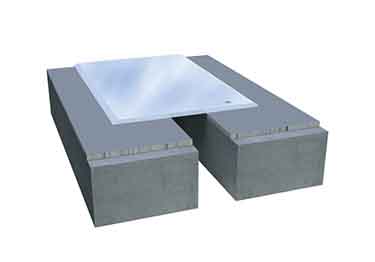

InPro® 806 Floor Expansion Joint Covers-A140
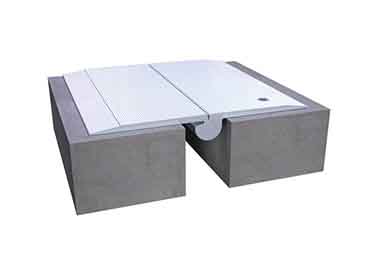

InPro® 808 Floor Expansion Joint Covers-A141
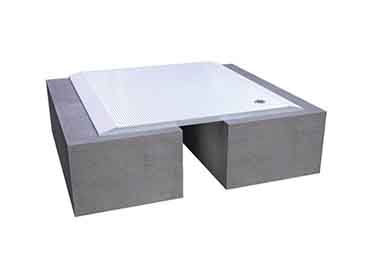
Aluminum Joint Cover - Wabo® FastFloor FJF By Sika-A995
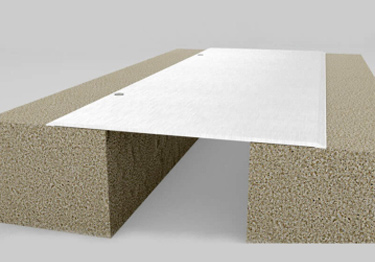
CS Acrovyn PC2G & PCS2G Floor Expansion Joint Covers-A105
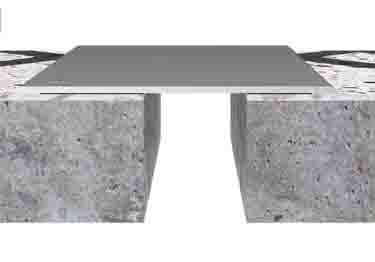
Wall and Floor Expansion Joint Seal InPro AR Series-A191
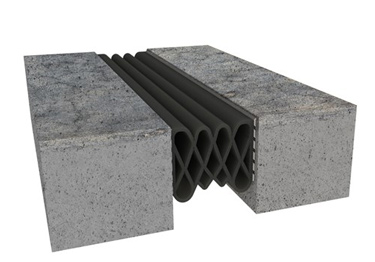
InPro® 103 Expansion Joint Cover Floor-to-Floor | Floor-to-Wall-A284
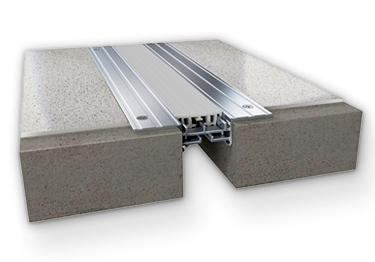
InPro 734 Floor Expansion Joint Covers-A178
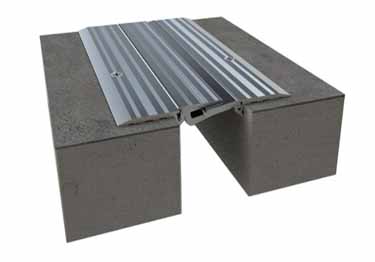
InPro® 802 Floor Expansion Joint Covers-A179
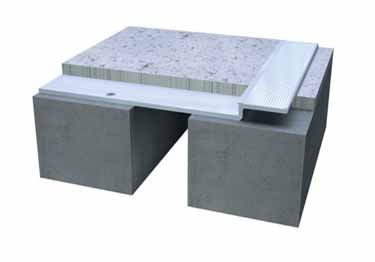
InPro® 804 Floor Expansion Joint Covers-A139
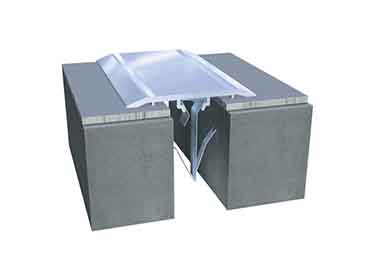
Modular Rail System - Boston Group-A296

InPro® 106 Expansion Joint System for Carpet, Concrete and More-A287
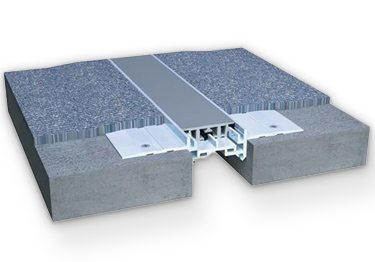
Expansion Joint Cover CS Acrovyn GFST and GFSTW-A192
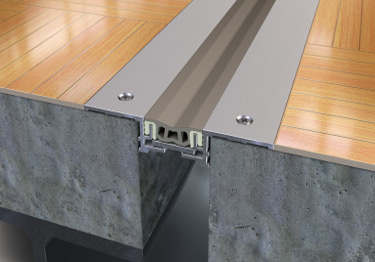
Expansion Joint Covers CS Acrovyn GFPS/GFPSW Series-A190
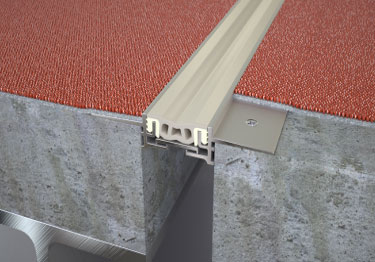
Inpro 104 Rubber Seal Expansion Joint for Vinyl, Tile, Wood, Concrete-A285
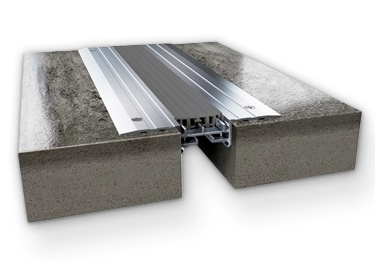
InPro® 105 Expansion Joint for Vinyl Flooring-A286
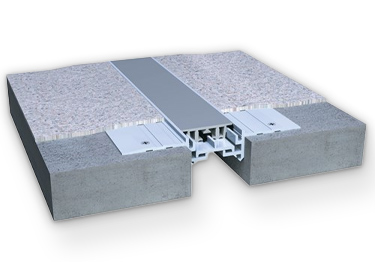
Aluminum Joint Cover - Wabo® FastFloor FJS By Sika-A993
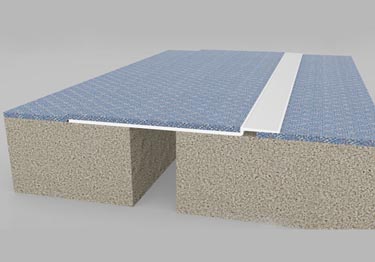
CS Acrovyn Expansion Joint Covers ZB-A194
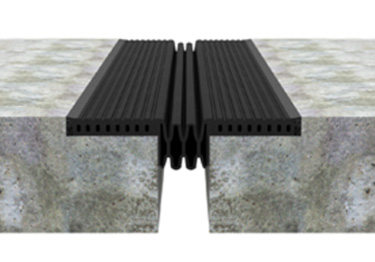
Expansion Joint Cover - Wabo® TwinSeam By Sika-A310
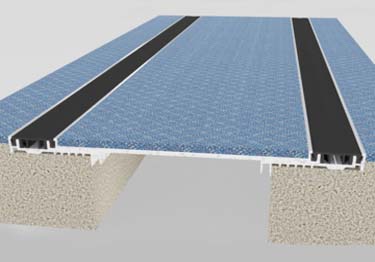
Expansion Joint Covers for Concrete CS ZBSM-A198
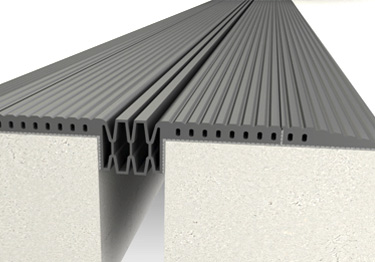

Floor Expansion Joint Covers CS Acrovyn GFS and GFSW-A189
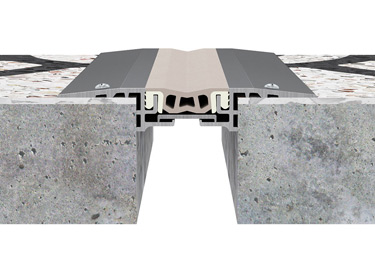
Floor Expansion Joint Systems - InPro® 797-A295
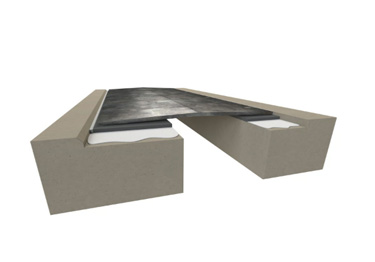
INPRO 807 Floor Expansion Joint Covers-A180
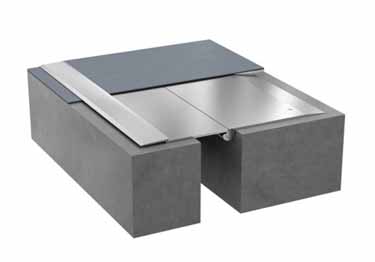
InPro® Expansion Joint Covers 733 -A293
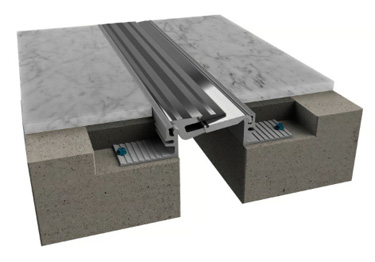
Interior Expansion Joint Cover - Wabo® HingeMount By Sika -A994
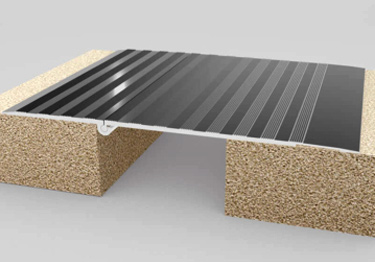
Joint Sealant for Expansion Joint Systems - InPro 995 Series-A298
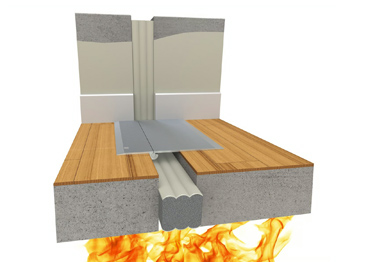
Outdoor Expansion Joint Covers by CS Acrovyn HB-A193
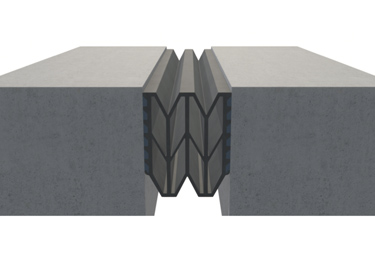
Seismic Expansion Joint Cover - Wabo® SeisMaxPlus By Sika-A311
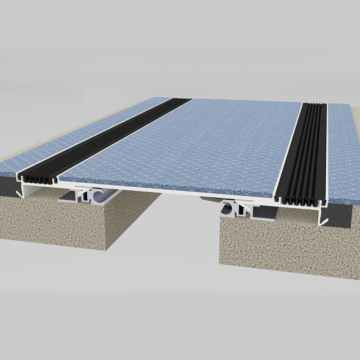
Seismic Expansion Joint Cover - Wabo® SeismicPan By Sika-A309
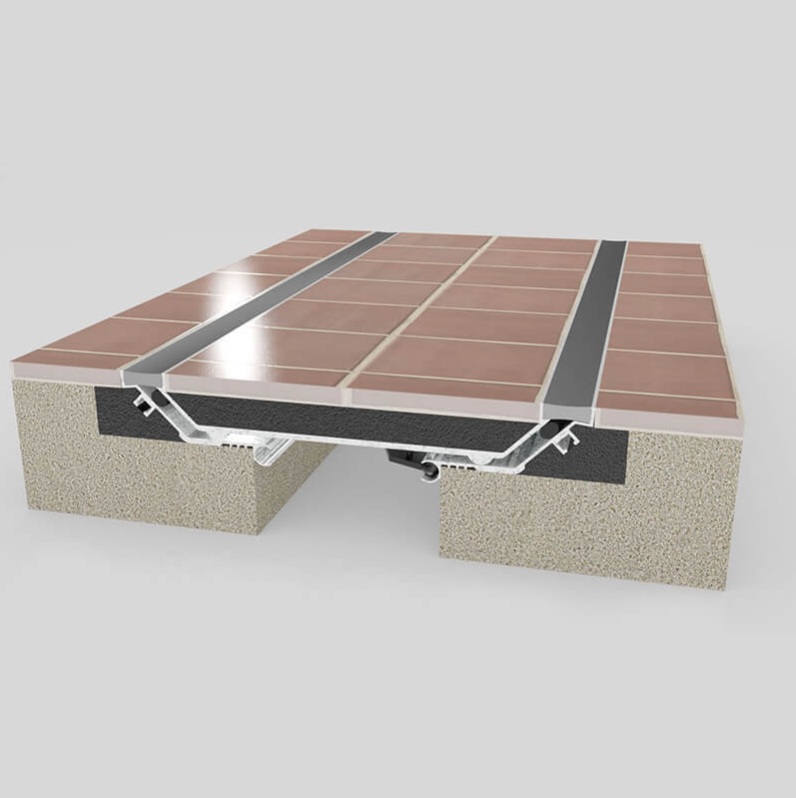
Seismic Expansion Joint Covers - Wabo® SeismicFloor FNB By Sika-A308
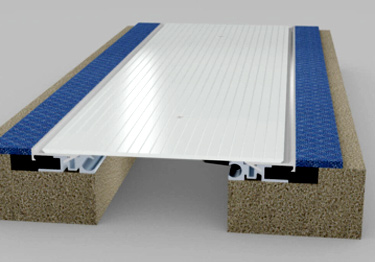
Wall Expansion Joint Floor Expansion Joint Covers InPro® 733R -A294
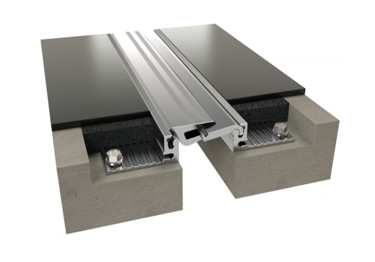
Watertight Expansion Joint System - InPro® 1200-A299
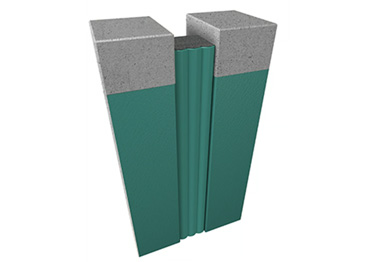
Floor Expansion Joint Covers
Wally and Floora:

Wally Says:
Floora, did you know that floor expansion joint covers are the unsung heroes of construction? These covers provide a seamless and durable solution for accommodating movement in flooring systems, protecting against damage caused by temperature changes, vibrations, or heavy traffic. Perfect for architects, contractors, and DIY enthusiasts, our floor expansion joint covers ensure both functionality and aesthetic appeal.
Here's what to consider when choosing floor expansion joint covers for your project:
- Material and Design: Select from aluminum, stainless steel, or flexible rubber options, each tailored to different flooring types and movement requirements.
- Size and Movement Capacity: Ensure the cover accommodates the expected range of expansion and contraction without compromising stability.
- Application and Installation: From commercial buildings to hospitals and retail spaces, choose a cover designed for your flooring type and traffic load. Easy installation and compatibility with adjacent flooring materials are key.
Buying Tip: For areas with high foot traffic or heavy machinery, select floor expansion joint covers with enhanced load-bearing capacity and slip resistance.

Floora Says:
Thank you, Wally! Installing floor expansion joint covers correctly is essential for maintaining both the structural integrity and appearance of your flooring system. Here are a few tips:
- Preparation: Ensure the installation area is clean, level, and properly measured. Precision is critical for smooth integration with your flooring.
- Installation Method: Follow the manufacturer's instructions carefully. Some covers may require recessed installation, while others are surface-mounted for ease.
- Sealing: Proper sealing is vital to prevent debris or moisture from compromising the floor system.
- Inspection and Maintenance: Regularly inspect the covers for wear and tear, especially in high-traffic areas. Replace any damaged components promptly to avoid disruptions.
Buying Tip: Always keep a few spare floor expansion joint covers on hand for quick replacements or repairs. Explore our extensive collection of covers designed for various flooring systems and environments.
Floor Expansion Joint Covers For Commercial Buildings
A floor expansion joint runs where two slabs meet, or where a slab meets a wall. The gap lets the structure expand, contract and settle. A cover spans it so carts, wheelchairs and foot traffic cross a level surface.
Koffler carries floor systems from InPro, CS Acrovyn and Wabo Emseal by Sika, in openings from 1 inch to 24 inches. Aluminum plates suit interior corridors, and EPDM strip seals suit parking decks and other outdoor concrete. For vertical and overhead runs, see our wall and ceiling expansion joint covers. To compare every system across all three surfaces, start from our expansion joint covers page.
Rolling Loads And Floor Joint Covers
Floors take the hardest service of any surface in a building. A loaded cart puts its whole weight on a few small wheels. That load crosses the same joint hundreds of times a day. So load rating deserves attention before joint width does.
Each line states it differently. CS Acrovyn publishes pounds, so its flush gasketed covers hold up to 500 pounds and the ZBSM seal holds up to 3,000. Wabo publishes pounds per square foot, with the SeismicPan rated at 150 PSF. InPro describes the traffic instead, from moderate loading on the 806 and 808 up to heavy vehicle loads on the 797.
Exterior, Parking Deck And Stadium Floor Joint Covers
Outdoor concrete needs a seal that keeps water out as well as a cover that carries traffic. The CS Acrovyn HB is a hybrid compression seal with reservoirs for epoxy adhesive built in, so no blockout is required to install. The CS ZB sets in epoxy with integral nosing that eliminates the need for elastomeric concrete, and the CS ZBSM adds ADA-compliant wings and a urethane sealant on each side to create a watertight system. All three suit parking decks, stadiums and other concrete deck areas, and ship in rolls. For vehicle traffic, the InPro 797 Series uses galvanized A36 steel, high-durometer EPDM pads and a crowned plate.
Floor Expansion Joint Cover Specifications
Floor systems fall into ten groups. Find the group that matches your joint, then open the systems in it for sizes, colors, movement ratings and pricing.
| System type | Joint openings | Mounting | Suits | Systems |
|---|---|---|---|---|
| Surface mounted aluminum plate | 1 to 12 in | Surface | Retrofit and surface mount installations | InPro 801, 802, 804, 806, 807, 808, 734 |
| Recessed aluminum plate | 1 to 4 in | Recessed or surface | High traffic areas with heavy rolling equipment | InPro 733, 733R |
| Snap-fit cover with flush seal | 1 to 3 in | Snap-fit | Interior joints under vinyl, tile, wood, carpet or epoxy | InPro 103, 104, 105, 106 |
| Vehicle grade steel and aluminum | 4 to 24 in | Surface, shallow blockout | Extreme weather and vehicle loads | InPro 797 |
| Surface mounted metal cover | 1 to 16 in | Surface | Interior and exterior slabs, ADA compliant | CS Acrovyn PC2G, PCS2G |
| Flush gasketed cart cover | 0.75 to 2 in | Flush gasketed | Commercial kitchens, laboratories and clean rooms | CS Acrovyn GFS, GFPS, GFST, plus W variants |
| EPDM strip seal for concrete | 1 to 4 in | Epoxy set, no blockout | Parking decks and stadiums, watertight | CS Acrovyn HB, CS ZB, CS ZBSM |
| Seismic pan and slide plate | 2 to 24 in | Recessed or blockout | Structures designed for seismic movement | Wabo SeismicPan, SeisMaxPlus, SeismicFloor FNB |
| Low profile interior cover | 1 to 6 in | Surface or recessed | Interior floors where the finish runs across the joint | Wabo TwinSeam, FastFloor FJF and FJS, HingeMount |
| Pre-compressed foam and rubber seal | 1/2 to 8 in | Peel and stick, or flush | Watertight interior and exterior joints | InPro AR Series, InPro 1200 |
Stock lengths run 10 feet on the aluminum covers, and the strip seals ship in rolls from 20 to 200 feet. For an opening outside these ranges, send us your joint schedule and we will price the closest system.
Frequently Asked Questions
What size floor expansion joint cover do I need?
Measure the gap at its nominal width, then at its widest and narrowest. Order the cover rated for that full range. Koffler stocks openings from 1 inch through 24 inches across the three lines. A narrow sawed groove is usually a control joint and takes sealant instead, which our guide to control joint vs expansion joint walks through. How do I order a floor to wall cover instead of floor to floor?
Each line uses a suffix. InPro marks floor-to-floor A01 and floor-to-wall A02, on the 801, 804, 806, 807, 734, 103, 104, 105 and 106. CS Acrovyn adds a W, so GFS is floor-to-floor and GFSW is floor-to-wall. Wabo adds a C for deck-to-wall. Order both halves of a transition together so the two covers meet cleanly. What is the difference between a surface mounted and a recessed floor cover?
A surface mounted cover fastens on top of the finished slab, which makes it the quicker retrofit. A recessed cover drops into a blockout formed in the slab and finishes level with the floor. The Wabo TwinSeam mounts directly onto the slab with no blockout required, while the Wabo SeisMaxPlus needs one 1-3/8 inches deep. Which floor covers work outdoors?
The CS Acrovyn HB, CS ZB and CS ZBSM seals all state indoor or outdoor use on concrete. The InPro 797 is built for extreme weather and vehicle loads, and the InPro AR Series seal is ideal for exterior use. How much weight can a floor expansion joint cover carry?
It depends on the system. CS Acrovyn flush gasketed covers state loads up to 500 pounds, CS ZBSM states up to 3,000 pounds, and Wabo SeismicPan states a 150 PSF distributed live load. InPro describes traffic instead, from moderate loading on the 806 and 808 up to heavy vehicle loads on the 797. Are floor expansion joint covers slip resistant? Several are. The InPro 734 has a serrated surface that offers outstanding slip resistance, the InPro 806 and 808 use a serrated top, and the CS Acrovyn PCS2G has a serrated top for use where enhanced slip resistance is desired.