
Rubber & Heavy Duty Corner Guards

(6 results)
Heavy Duty Rubber Corner Guards-A692
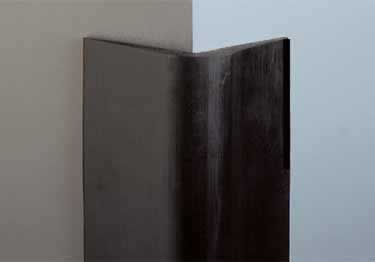


Roppe Corner Guards Rubber and Vinyl-A693
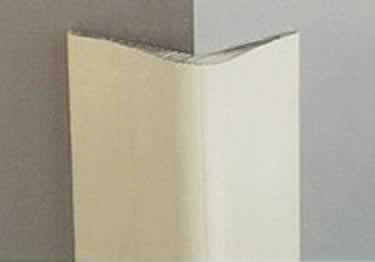
Rubber Parking Bumpers by Inpro-A667
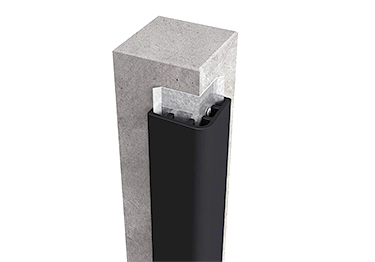
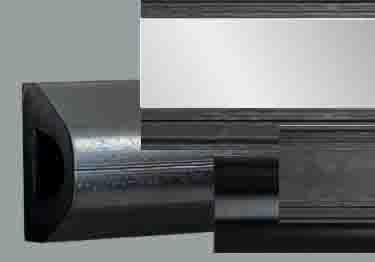
CS Acrovyn Rubber Corner Guards-A267
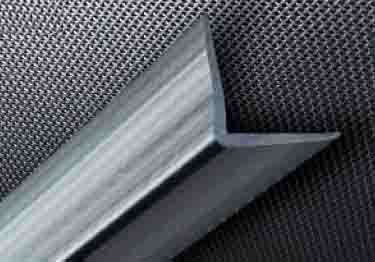
CS Acrovyn Rubber Crash Rails-A266
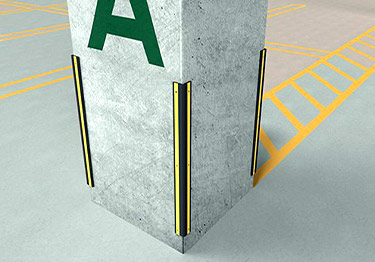
Parking Bumpers with Optional High Visibility Yellow Strip by Inpro-A668
Wally and Floora:

Wally Says:
Floora, rubber corner guards are what you reach for once vehicles enter the picture. A loading dock, a forklift aisle, a parking garage: these corners take hits that paint cannot fix. Rubber absorbs the blow, so the corner underneath stays straight and the wall behind it stays whole.
Here is what to weigh when you pick rubber corner guards:
- Material
SBR and EPDM blend is the heaviest wall profile we stock, at 0.875 inch of rubber where the hit lands. EPDM handles heat, water and weather. EVA suits vehicle traffic on concrete and block. Impact foam cushions people as well as walls. -
Impact Level
Carts and pallet jacks call for the rubber blend. Forklift aisles and parking structures call for the EVA profile, which measures 2 inches thick at the corner and stands 42 inches tall. -
Visibility
Black disappears against a dock wall. Yellow gets noticed before it gets hit. Impact foam adds hi-vis and photoluminescent options for a dim aisle.
Buying Tip: Measure the corner leg first, then pick a wing width that covers the whole impact zone. A guard that stops short of the zone leaves the wall exposed at the edges.

Floora Says:
Thank you, Wally! Mounting rubber follows the wall it goes on, and the prep matters as much as the fastener. Here is how to do it right:
- Clean the Corner
Surface prep decides whether the bond holds, so start with a clean, dry surface on every material. -
Pick the Fastener
Adhesive suits smooth interior walls. The EPDM line arrives with screws. The EVA profile takes concrete bolts, screws or adjustable cinch straps. -
Cut to Fit
The rubber blend cuts to order from 1 to 96 inches, so you pay for the length you need. Impact foam cuts on site with a utility knife. -
Check the Conditions
Two lines state outdoor use. The impact foam is rated from -31 to 176 F, which covers an unheated dock or an open garage.
Buying Tip: Order a spare length for the aisle that takes daily traffic. A damaged run gets swapped quickly when the material is already on the shelf.
Rubber Corner Guards For Docks, Garages And Warehouses
Rubber belongs where vehicles meet walls. Forklifts, pallet jacks and hand trucks leave marks that paint cannot fix. A rubber guard absorbs the hit, so the corner underneath stays straight. Loading docks, parking garages and storage rooms use it most. The profiles here run from soft impact foam to a blend that measures 0.875 inch thick at the corner. For lighter traffic and a wider color range, start at corner guards. For trailer impact at the dock face, see loading dock bumpers.
Rubber Corner Guard Materials: EPDM, SBR, EVA And Foam
Each rubber material stands up to a different kind of wear. Start with what hits the corner most, whether that's forklifts or foot traffic. Then match the material to that job.
- SBR and EPDM blend
This is the heaviest wall profile. It measures 4 by 4 inches with 0.875 inch of rubber at the corner, comes in black, and cuts to order from 1 to 96 inches. -
CS Acrovyn EPDM
This line resists heat, aging and weather, and it stands up to water swell. It comes with 2-15/16 inch or 3-15/16 inch legs, runs 9 feet 10 inches long, and ships with screws. Other Acrovyn profiles sit on CS Acrovyn corner guards. -
EVA
EVA suits industrial corners that take vehicle traffic. The yellow profile stands 42 inches tall and measures 2 inches thick at the corner, tapering to 1 inch at the edge. It bolts or straps to concrete and block, and it will not rust, decay or need paint. More impact products from that maker sit on Sentry products. -
Impact foam
Foam works in tight aisles where people bump corners. It comes in nine types, from 1 inch to 2-3/8 inches wide, in hi-vis and photoluminescent colors. Flat wall sections of the same line sit on wall guards. -
Roppe rubber
For interior walls, the Roppe guard comes in 70 colors, so a corner can match the wall base. Its vinyl version sits on vinyl corner guards.
Indoor And Outdoor Rubber Corner Guards
Two profiles carry an outdoor claim. The CS Acrovyn EPDM guard can be used indoors or out, and it resists heat, aging and extreme weather. The black and yellow impact foam works indoors and outdoors as well, rated from -31 to 176 F. The EVA profile will not rust or decay, which suits damp garages and dock aprons. Check the product page before you specify an exterior run.
Frequently Asked Questions
Can rubber corner guards go outside?
Two can. The CS Acrovyn EPDM guard states indoor or outdoor use. The black and yellow impact foam does the same, rated from -31 to 176 F. Check the product page for the line you plan to specify.
What is the difference between EPDM and SBR rubber?
EPDM resists heat, aging and weather better, and it holds up against water swell. A heavy duty wall profile blends SBR with EPDM, which suits docks and garages indoors. The pure EPDM line is the one that states outdoor use.
How thick should a heavy duty corner guard be?
Match the thickness to what hits it. The rubber blend carries 0.875 inch of material where the hit lands, which covers carts and pallet jacks. The EVA profile runs 2 inches thick there, which suits forklift aisles and parking structures.
How do you mount rubber corner guards on concrete or block?
Use fasteners. The EVA profile takes concrete bolts, screws or adjustable cinch straps. The EPDM line ships with screws. Clean the corner first either way, since surface prep decides whether the bond holds.
Can rubber corner guards be cut to length?
Yes. The rubber blend cuts to order from 1 to 96 inches, so you pay for the length you need. Impact foam cuts on site with a utility knife.
Do rubber corner guards come in colors?
Black covers the two heaviest lines. The EVA profile comes in bright yellow for visibility. Impact foam adds hi-vis and photoluminescent options. The Roppe interior line offers 70 colors. Columns and rack uprights use a different guard, on column protectors.