
Expansion Joint Covers

(36 results)
InPro® 801 Floor Expansion Joint Covers-A138
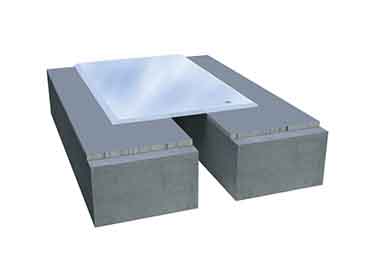

InPro® 806 Floor Expansion Joint Covers-A140
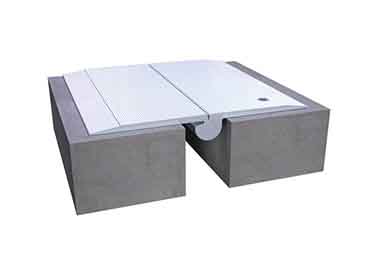

InPro® 808 Floor Expansion Joint Covers-A141
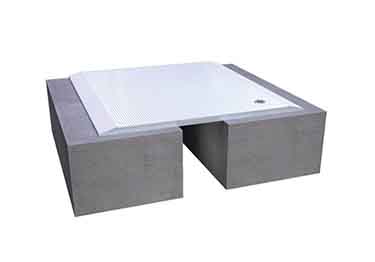
Wall and Floor Expansion Joint Seal InPro AR Series-A191
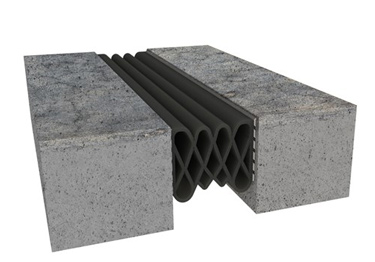
Seismic Expansion Joint Cover - Wabo® SeisMaxPlus By Sika-A311
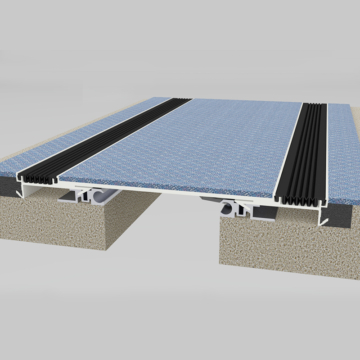
Expansion Joint Cover - Wabo® TwinSeam By Sika-A310
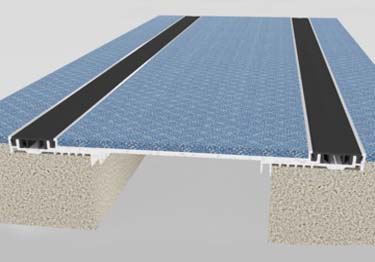
Seismic Expansion Joint Cover - Wabo® SeismicPan By Sika-A309
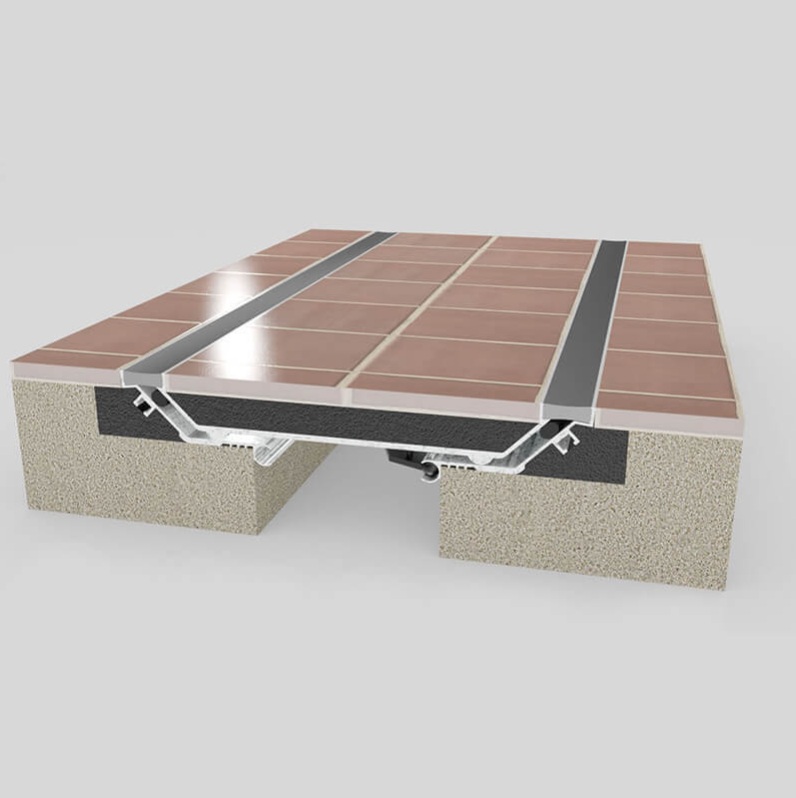
Seismic Expansion Joint Covers - Wabo® SeismicFloor FNB By Sika-A308
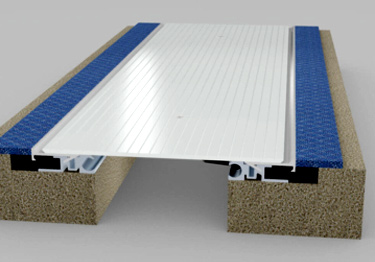
Watertight Expansion Joint System - InPro® 1200-A299
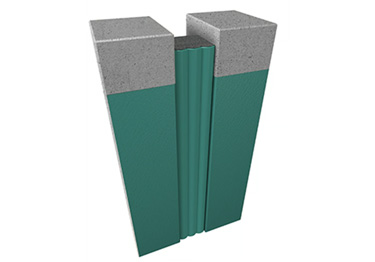
Joint Sealant for Expansion Joint Systems - InPro 995 Series-A298
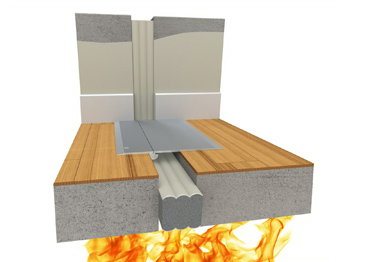
Interior Expansion Joint Cover - Wabo® HingeMount By Sika -A994
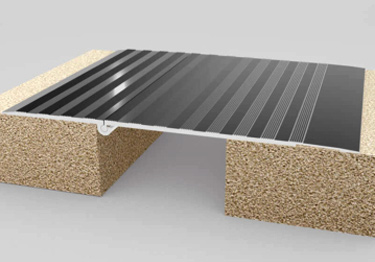
Aluminum Joint Cover - Wabo® FastFloor FJS By Sika-A993
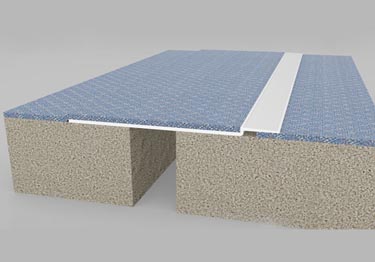
Aluminum Joint Cover - Wabo® FastFloor FJF By Sika-A995
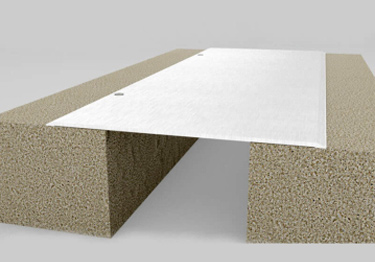
CS Acrovyn PC2G & PCS2G Floor Expansion Joint Covers-A105
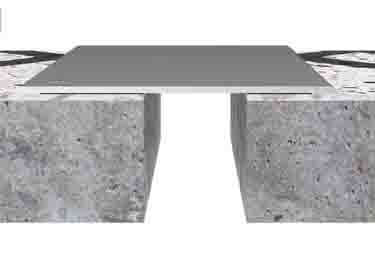
InPro 734 Floor Expansion Joint Covers-A178
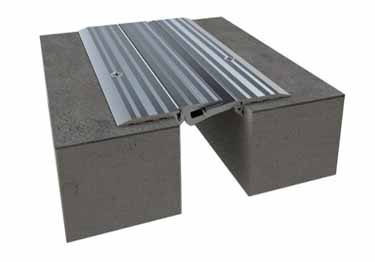
Expansion Joint Covers for Corner | Wall | Ceiling InPro 811 Series-A999
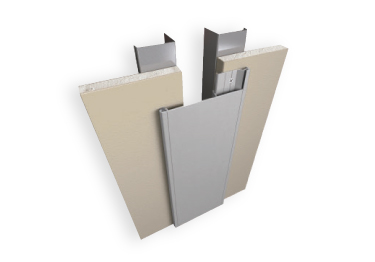
INPRO 807 Floor Expansion Joint Covers-A180
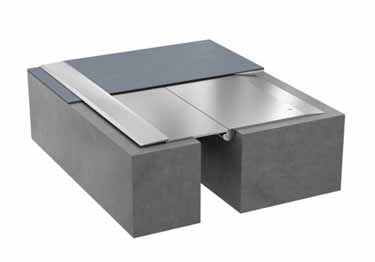
Floor Expansion Joint Systems - InPro® 797-A295
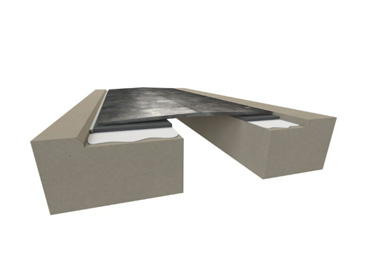
Floor Expansion Joint Covers CS Acrovyn GFS and GFSW-A189
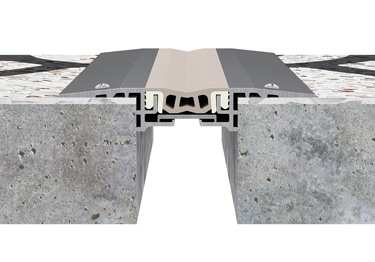
InPro® 804 Floor Expansion Joint Covers-A139
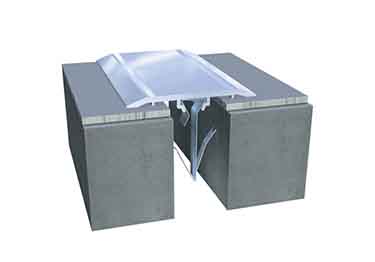
Outdoor Expansion Joint Covers by CS Acrovyn HB-A193
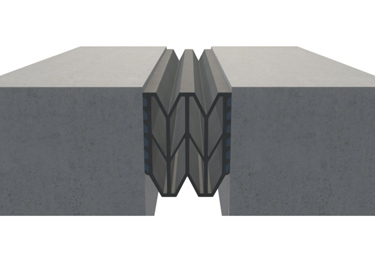
Expansion Joint Covers CS Acrovyn GFPS/GFPSW Series-A190
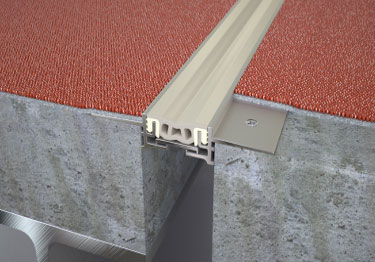
Expansion Joint Covers for Corner | Wall | Ceiling InPro 113 Series-A199
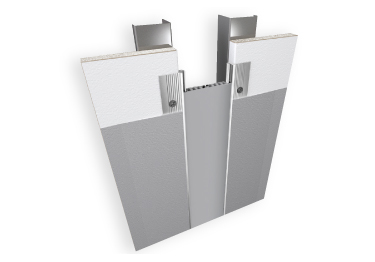
Wall Expansion Joint Floor Expansion Joint Covers InPro® 733R -A294
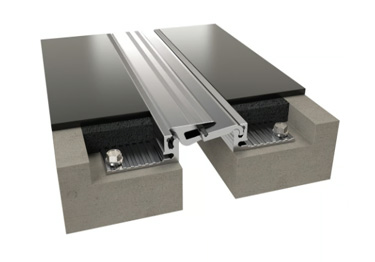
InPro® Expansion Joint Covers 733 -A293
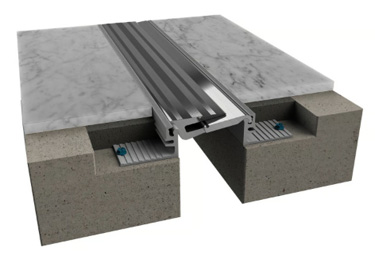
InPro® 106 Expansion Joint System for Carpet, Concrete and More-A287
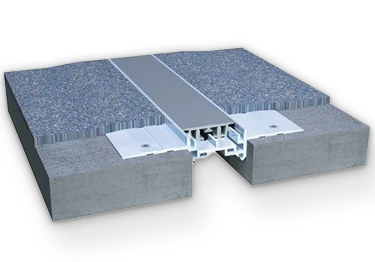
InPro® 105 Expansion Joint for Vinyl Flooring-A286
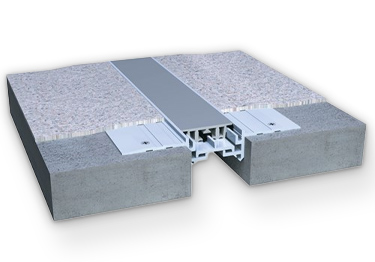
Inpro 104 Rubber Seal Expansion Joint for Vinyl, Tile, Wood, Concrete-A285
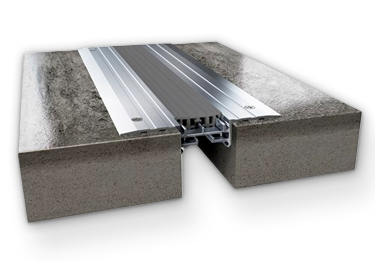
InPro® 103 Expansion Joint Cover Floor-to-Floor | Floor-to-Wall-A284
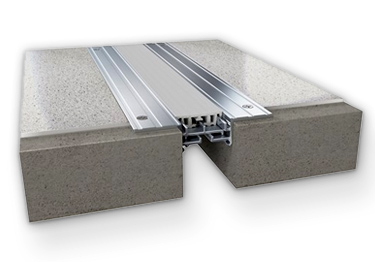
Expansion Joint Cover CS Acrovyn GFST and GFSTW-A192
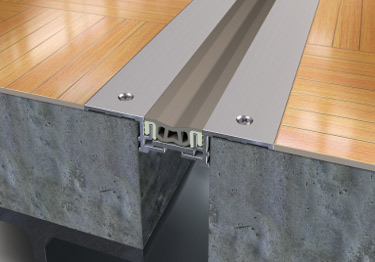
CS Acrovyn Expansion Joint Covers ZB-A194
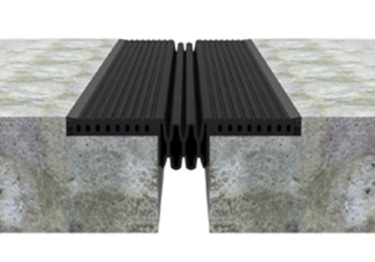
Expansion Joint Covers for Concrete CS ZBSM-A198
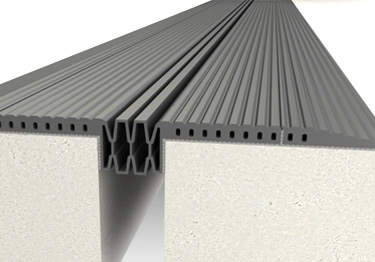

InPro® 802 Floor Expansion Joint Covers-A179
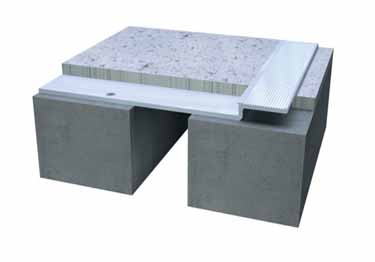
Wall to Wall Expansion Joint Covers InPro 611 Series-A996
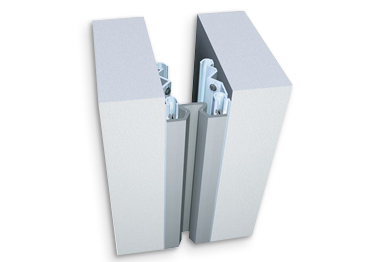
Expansion Joint Covers for Corner | Wall | Ceiling InPro 114 Series-A997
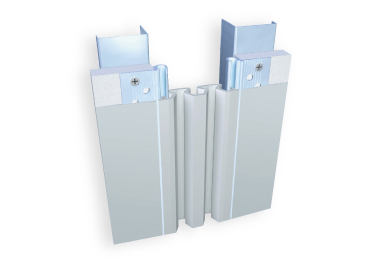
Expansion Joint Covers for Corner | Wall | Ceiling InPro 116 Series-A998
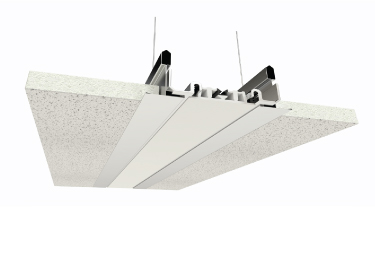
Expansion Joint Covers Information
Wally and Floora:

Wally Says:
Floora, here is a question for you. What happens to a building with nowhere to move? Concrete swells through a hot summer and shrinks again when winter arrives. Steel frames sway in wind, and slabs shift during an earthquake. So builders leave a deliberate gap and let the structure absorb all of it. An expansion joint cover closes that gap and keeps the surface whole underfoot.
Here is what to think about when you choose a cover for your project:
- Surface: Floors carry rolling loads, walls take impact, and ceilings mostly absorb movement. Each surface calls for a profile built for it.
- Movement type: Thermal movement is slow and seasonal, while seismic movement arrives in seconds and travels several directions at once. Check which one your engineer specified.
- Joint opening: Measure the gap at its widest and its narrowest. Give both figures along with the nominal size, and your quote comes back right the first time.
Buying Tip: Plan every transition before you order. A floor cover has to meet the wall cover it runs into, and buying both together keeps the two systems in the same family.

Floora Says:
Thank you, Wally! Installation goes smoothly when the joint is ready before the cover arrives. Here is how to get there:
- Preparation: Clean the joint and check that both edges sit level. A cover follows whatever surface it lands on, so time spent here shows in the finished line.
- Mounting method: Surface mounted covers fasten on top and suit retrofit work. Recessed covers need a blockout, so plan that while the slab is still on paper.
- Anchoring: Most systems call for anchors at set centers along the run. Follow the spacing published for the system you buy rather than a rule of thumb.
- Finishing: Wall and ceiling covers finish with joint compound or wall covering. Floor covers meet your flooring material at the edge of the frame.
Buying Tip: Keep the product data sheet with your closeout documents. Years later, when a seal wears, that sheet tells your facilities team exactly which replacement to order.
Expansion Joint Covers For Floors, Walls And Ceilings
Buildings move. Concrete expands in heat, then contracts in cold. Steel frames sway in the wind, and slabs shift in an earthquake. An expansion joint gives that movement somewhere to go. A cover closes the gap so traffic passes safely over it.
Koffler offers covers for every surface in a building. Our floor joint covers bridge slab-to-slab and slab-to-wall gaps. Our wall and ceiling joint covers close vertical and overhead joints. Sealants and foam systems handle joints that need a watertight or fire rated barrier instead of a plate.
Three lines fill the catalog: InPro, CS Acrovyn and Wabo Emseal by Sika. Each line describes movement and loads its own way. The tables below translate between them.
How To Choose An Expansion Joint Cover
Five inputs decide the cover you need. Gather them first and the catalog narrows fast.
- Joint opening
Give the nominal width, plus the widest and narrowest the gap ever reaches. Three figures beat one percentage, because percentages get read against different baselines. -
Movement type
Thermal movement is slow and seasonal. Seismic movement arrives in seconds and travels several directions at once. The two call for different covers. -
Traffic and load
Foot traffic, rolling carts and vehicles each load a cover differently. A loaded cart concentrates its weight on a small wheel, so rolling loads deserve a close look on floors. -
Mounting
Surface mounted covers sit on top of the slab and suit retrofits. Recessed covers drop into a blockout and finish flush, which suits new construction. -
Substrate or finish
A cover has to meet whatever surrounds it. On a floor that means the thickness of your finish flooring. On a wall it means drywall, masonry or a suspended ceiling grid.
Plan your transitions at the same time. A floor cover meets a wall cover where the two surfaces join, and ordering both together saves a change order later. Our team reviews joint schedules and drawings, so send us your details and we will match the systems for you.
Movement And Load Ratings Across InPro, CS Acrovyn And Wabo
Each manufacturer states movement differently. Sorting the catalog by what a cover actually handles makes the three lines comparable. Every figure below comes from the product page for that system.
| Movement stated | What it handles | Systems in this group |
|---|---|---|
| Up to +/- 25% | Thermal expansion in most interiors | InPro 103, 104, 105, 106, 733, 733R |
| Up to +/- 18% thermal | Thermal movement under heavy rolling loads | InPro 734 |
| +/- 50% | Wide thermal swings and seismic movement | InPro 806, 808, 797, 811, 114, AR Series, 1200, 995 |
| +/- 25% to +/- 50% | Interior floors from carpet to VCT | InPro 802, 807 |
| 50 to 200% of joint width | Wide outdoor concrete joints | CS ZBSM |
| Multi-directional seismic | Lateral shear during an earthquake | Wabo SeismicPan, SeismicFloor FNB, FastFloor FJF and FJS |
| Rotates and displaces in a seismic event | Slab rotation, with seals that reset by hand | Wabo SeisMaxPlus |
| Vertical offset up to 1 inch | Uneven or settling slabs | Wabo HingeMount |
Load ratings follow the same pattern. CS Acrovyn publishes pounds, Wabo publishes pounds per square foot on one system, and InPro describes the traffic instead.
| Load or rating stated | Systems |
|---|---|
| Up to 500 pounds | CS Acrovyn GFS, GFSW, GFPS, GFPSW, GFST, GFSTW |
| Up to 3,000 pounds | CS ZBSM |
| 150 PSF distributed live load | Wabo SeismicPan |
| Heavy rolling equipment or rolling loads | InPro 733, 733R, 734 |
| Heavy vehicle loads | InPro 797 |
| Moderate loading | InPro 806, 808 |
| Pedestrian and light cart traffic | Wabo FastFloor FJF and FJS |
Several systems state ADA compliance on their product pages: InPro 801 and 797, CS Acrovyn PC2G and PCS2G, GFS and GFST, plus Wabo TwinSeam, SeismicFloor FNB, HingeMount and SeisMaxPlus. CS ZBSM describes ADA-compliant wings.
Seismic And Fire Rated Expansion Joint Covers
A seismic joint moves in more than one direction at once. A slab can lift, drop and slide sideways in a single event. So the cover has to stay anchored while the gap opens and closes around it.
Koffler stocks seismic systems from all three lines. The Wabo SeismicPan rises upward during an earthquake to open the full width of the structural joint. The Wabo SeisMaxPlus lets its slide plate assembly rotate and displace, and its seals snap back into place by hand once the event passes. On walls, the InPro 114 Series carries a bellows seal that allows for +/- 50% seismic movement.
Fire rated joints call for a tested barrier rather than a plate. The InPro 995 Series delivers a 2 hour fire resistance rating and is fully compliant with UL 2079. It ships pre-compressed in sections of 6.5 feet with a peel-and-stick adhesive backing, in 40 color options. The InPro 1200 watertight system uses the same pre-compressed foam construction and carries a +/- 50% seismic rating, though it is non-rated for fire.
Advice from Ron Starr
"Most calls open with a joint width. Width matters, and two more things decide the cover: what rolls across the joint, and how far the slab moves. Give us all three and the list gets short fast. We carry InPro, CS Acrovyn and Wabo, so we can point you to whichever line fits your project."
Ron Starr, President and Co-Founder, Koffler Sales
Frequently Asked Questions
What is the purpose of an expansion joint cover?
It closes the gap left in a floor, wall or ceiling for building movement. The cover carries traffic across the opening and keeps debris out, while still letting the two sides move independently. Our guide to expansion joints in buildings covers where those gaps go and why they are there. Can you cover an expansion joint?
Yes, and a purpose-built cover is the right way to do it. The cover anchors to one or both sides and spans the gap, so it flexes with the joint instead of cracking across it. What is a structural expansion joint cover?
It is a cover sized for a joint the structural engineer designed into the frame, rather than a surface crack. These joints run the full height or depth of the assembly, so their covers carry published movement and load ratings. If you are working out which joint you have, start with control joint vs expansion joint. How do I measure an expansion joint?
Record three figures: the nominal joint width, the widest the gap opens and the narrowest it closes. Also note the finish material on each side and the thickness of the slab or board. What is the difference between a thermal joint and a seismic joint?
Thermal joints handle slow seasonal expansion, so they usually need around +/- 25% movement. Seismic joints handle sudden multi-directional movement, and they typically call for +/- 50% or more. Are expansion joint covers ADA compliant?
Several are, and their product pages say so. InPro 801 and 797, CS Acrovyn PC2G, PCS2G, GFS and GFST, plus Wabo TwinSeam, SeismicFloor FNB, HingeMount and SeisMaxPlus all state ADA compliance. Which expansion joint covers are fire rated?
The InPro 995 Series carries a 2 hour fire resistance rating compliant with UL 2079. The InPro 1200 watertight system is non-rated. Ask us for current certificates before you specify. Do you sell expansion joint covers for parking decks? Yes. The CS Acrovyn HB and CS ZB and ZBSM seals suit parking decks and other concrete deck areas, indoors or out. The InPro 797 handles heavy vehicle loads and extreme weather.