Plastic Wall Protection Sheets and Planks

(31 results)
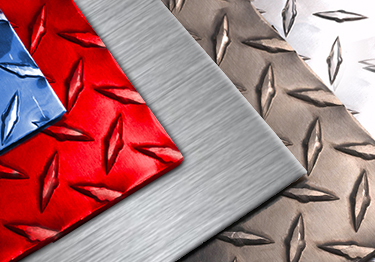
Diamond Plate Products
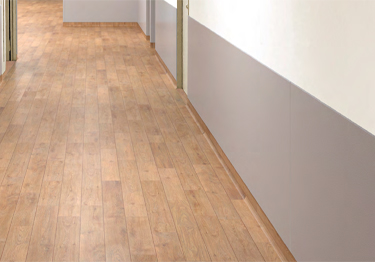
CS Acrovyn® Rigid Sheet and Trim-A263

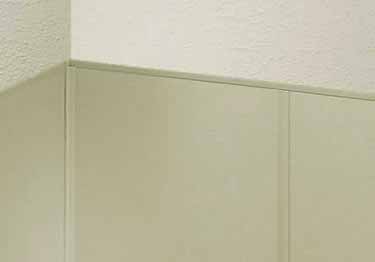
InPro® Palladium® Wall Panels, Strips, and Rolls-A699

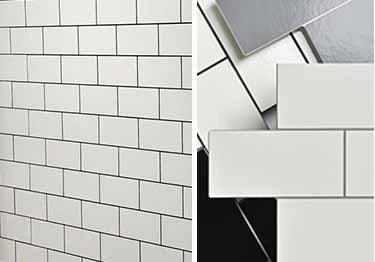
Subway Tile FRP Sheets by Marlite Symmetrix-A390
Flexible Wall Coverings
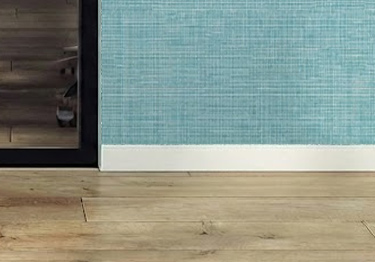
Kitchen Backsplash Kit from AquaWalls-A920
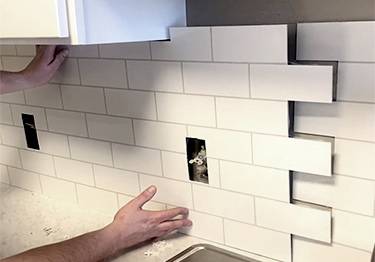
FRP Fiberglass Reinforced Sheets | Pebble Design by Marlite-A392
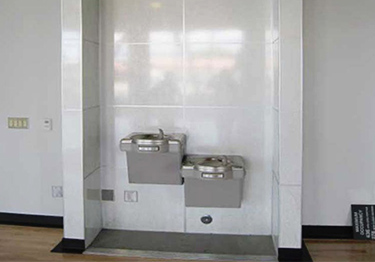
FRP Fiberglass Reinforced Sheets | Smooth Surface by Marlite-A394
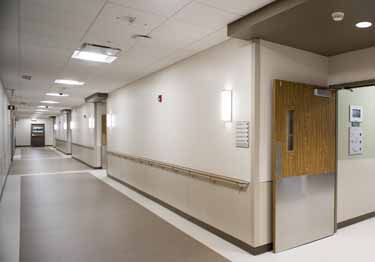
Diamond Plate Sheets, Wall Panels, and Tiles-A422
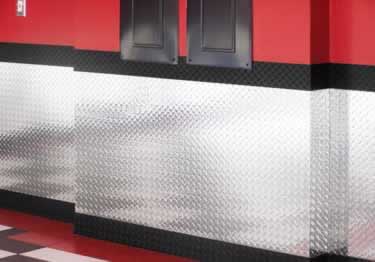

Rigid Vinyl Sheets and Strips -A829

CS Acrovyn® Crash Rubstrips-A236

Wall Sheet, Rub Strips and Trim by Korogard® -A625

Plastic Diamond Plate Wall Protection By InPro®-A440
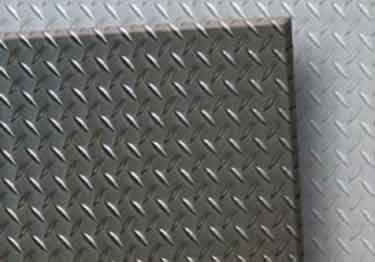
InPro Palladium® Patterns Wall Panels and Sheets-A702
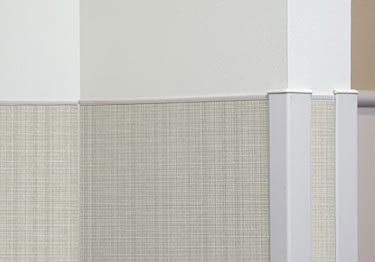
Expanded Metal Flattened Sheets | Aluminum-A446
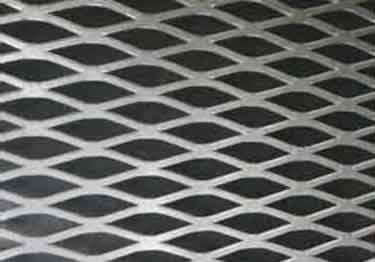
Clear Polycarbonate Wall Protection Sheets-A435
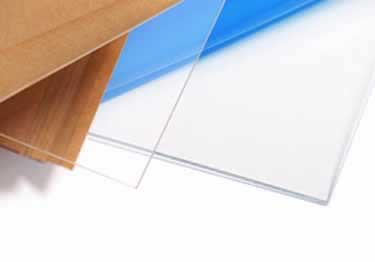
White Acrylic Wall Protection Sheets-A436

CS Acrovyn® Wall Protection Microtextured Sheets -A262
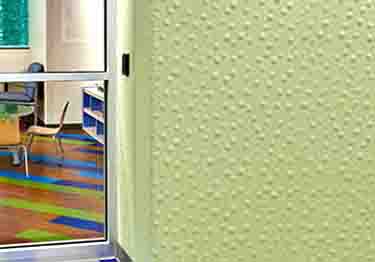
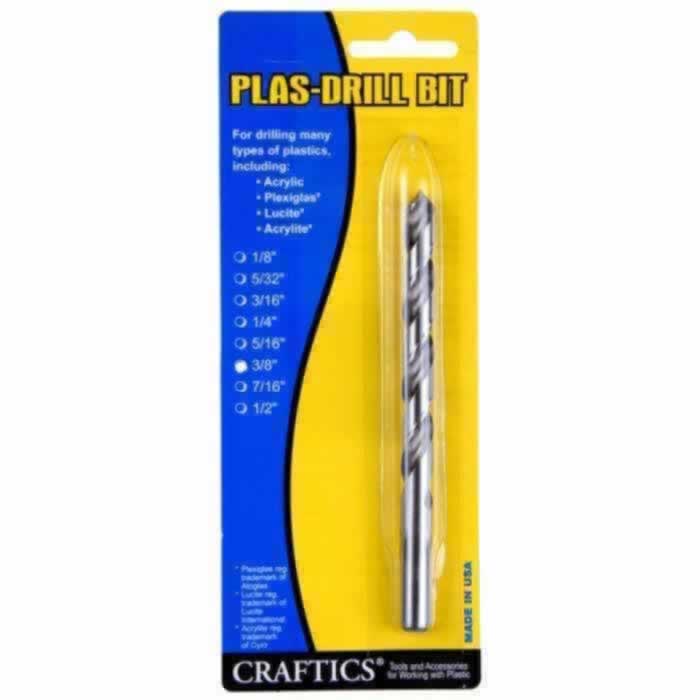
Drill Bits Safe For Plastic Sheets-A433
Black Acrylic Wall Protection Sheets-A434

Black Polycarbonate Wall Protection Sheets-A437
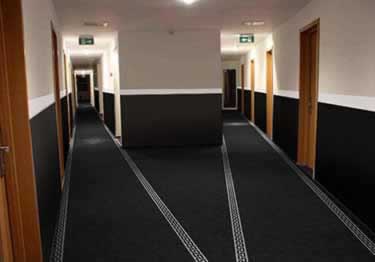
CS Acrovyn® Rigid Sheets | Metallics Collection-A265

InPro Palladium® Faux Wood Panels, Strips, and Rolls-A697
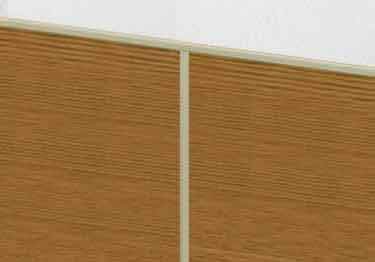
InPro Palladium® Metallic Wall Panels, Strips, and Rolls-A701
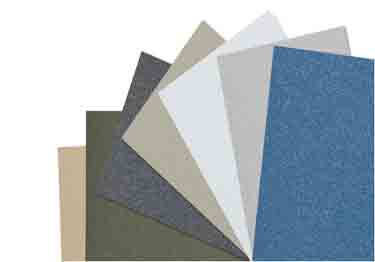
Palladium® Beadboard Panels - 24 Wood Grain Colors-A700
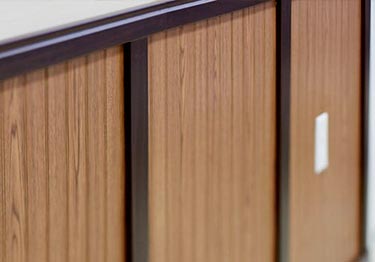
Plexiglass and Polycarbonate Cutting Tools-A1042
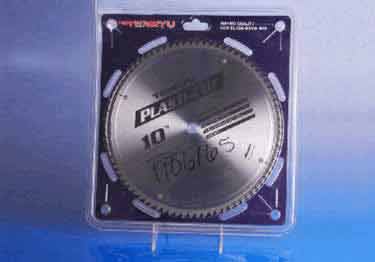
Smooth Metal Sheets, Wall Panels and Tiles-A838
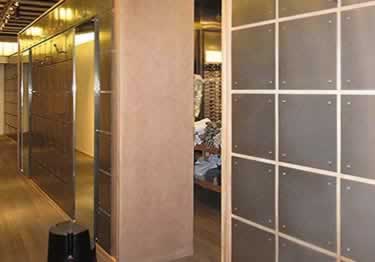
White Polycarbonate Wall Protection Sheets-A432

Wholesale Acrylic Sheets-A438
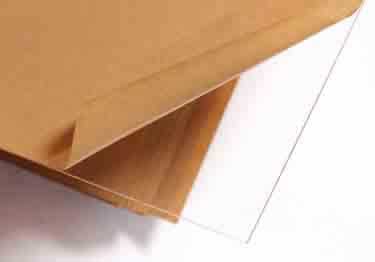
Wood Wall Planks | Peel and Stick-A444

Decorative Wall Panels
Recently Viewed Products
Door Stops Wall Mounted-A1065
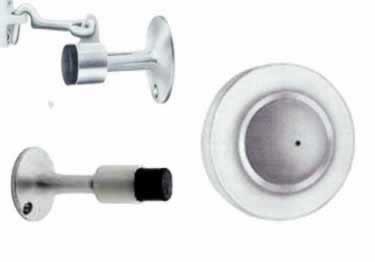
Stop doors from damaging walls with KSC Wall Mounted Door Stops. Available in 13 styles and 6 different finishes. On sale now, 10% off regular price. Starting at $48.38
Plastic Wall Protection Sheets and Planks Information
Wally and Floora Say:

Wally Says:
Floora did you know that the plastic wall protection sheets are like armor for your walls, providing a formidable barrier against scratches, dents, and general wear and tear? Perfect for high-traffic areas or where heavy machinery is used, these sheets are an essential investment for maintaining the integrity and appearance of your walls.
Here's what to consider when choosing wall protector sheets and wall panels:
- Material and Thickness: High-density polyethylene (HDPE) and PVC are common materials offering excellent durability. The thickness of the sheet should correspond to the level of impact resistance required. Besides plastic sheets, wall protection panels come in numerous options and can be made of anything from plastic to metal to tile.
- Size and Coverage: Sheets come in various sizes. Measure your space to ensure full coverage of vulnerable areas.
- Finish and Color: Choose from a range of finishes and colors to match or complement your interior design. Textured finishes can also help hide scuffs and scratches. You can even get a suede finish on your wall panel.
Buying Tip: For areas prone to heavy impacts, opt for thicker, textured sheets that can absorb more force and conceal damage more effectively.

Floora Says:
Thank you, Wally, but also keep in mind that installing wall protection sheets might seem like a big project, but the end result is always worth it. Here are a few tips before you get started:
- Surface Preparation: Ensure the wall is clean, dry, and smooth. Any bumps or debris could affect adhesion.
- Cutting to Size: If necessary, cut the sheets to fit your specific area. A straight edge and a sharp knife or saw will ensure clean cuts.
- Adhesive Application: Follow the manufacturer's recommendations for adhesive. Apply evenly on the back of the sheet, position it carefully, and apply pressure to secure it in place.
- Aesthetic Integration: While protection is the primary goal, do not overlook aesthetics. Select sheets that either blend in with your wall color or offer a deliberate contrast to serve as a design feature.
Buying Tip: Before starting, make sure you have the right tools for the job. Also be sure to explore our range of designer and decorative wall panels.
Plastic Wall Protection Sheet Materials: How to Choose
Each material balances impact strength, appearance, and cost differently. Use this comparison to match the sheet to the job.
| Material | Best for | Strengths and examples |
|---|---|---|
| Rigid vinyl / PVC | Interior corridors subjected to daily abuse | Tough, suede or textured finishes that hide scuffs, 60-plus colors. See CS Acrovyn Rigid Sheet and Korogard Wall Sheet. |
| FRP (fiberglass reinforced plastic) | Kitchens, food service, sanitary walls | Moisture and mold resistant, easy to wipe down, Class A options. See Marlite FRP smooth and pebble sheets. |
| Clear polycarbonate | Spots that must stay visible, near-unbreakable protection | Super-high impact strength, weather resistant for exterior use. See clear polycarbonate sheets. |
| Acrylic (plexiglass) | Bright, clean surfaces where scratch resistance matters | Lightweight and more scratch resistant than polycarbonate, less impact strength. See white, black, and clear acrylic sheets. |
| HDPE diamond plate | Loading docks, warehouses, heavy impact zones | High-density polyethylene with a rugged plate texture. See InPro plastic diamond plate. |
Match the sheet to your space
| Your space | Recommended | Why |
|---|---|---|
| High-traffic commercial corridors | Rigid vinyl or FRP sheets | Absorb cart and equipment impact, hide scuffs, clean easily. |
| Healthcare and hygiene-sensitive areas | FRP or rigid vinyl, Class A rated | Nonporous surfaces wipe clean and meet fire-finish requirements. |
| Kitchens and food service | FRP panels and backsplash kits | Moisture and grease resistant, fast to install over drywall. |
| Loading docks and impact zones | HDPE diamond plate | Built to take repeated hard impact without denting. |
| Areas that must stay visible | Clear polycarbonate or acrylic | Protect glass, signage, and finishes while keeping sightlines open. |
| Exterior or weather-exposed walls | Polycarbonate sheets | Hold up to sun, moisture, and temperature swings outdoors. |
Why Wall Protection Sheets Are Worth It
In busy buildings, walls are damaged constantly by carts, gurneys, pallet jacks, and foot traffic. A protection sheet shields the drywall behind it, so a sheet that costs a fraction of a wall replacement can prevent years of patching and repainting.
Fire performance matters too. Many rigid wall protection sheets and FRP panels carry a Class A flame-spread rating under ASTM E84, the highest interior-finish class, meaning a Flame Spread Index of 25 or lower. Building codes such as the International Building Code (Section 803) classify interior wall finishes using this same standard, which is why Class A products are specified for hospitals, schools, and other public buildings.
Cleanability is the third advantage. Nonporous PVC, FRP, and polycarbonate surfaces wipe down quickly, which is essential in healthcare and food service where walls are sanitized often.
From the Field
"After more than 40 years supplying floor and wall protection, the pattern never changes: the walls that get protected up front are the ones that still look good a decade later. We stock rigid sheets in over 100 colors, so there is no reason to leave a high-traffic wall exposed."
— Ron Starr, President and Co-Founder, Koffler Sales Company
Wall Protection Sheet FAQ
What are plastic wall protection sheets?
Plastic wall protection sheets are rigid panels mounted over drywall to guard it from scratches, dents, and impact. They come in plastic wall panels, vinyl wall panels, FRP, polycarbonate, and acrylic, in flat sheets, rolls, and strips, for both interior and exterior walls.
What is the difference between PVC, FRP, polycarbonate, and acrylic wall sheets?
Rigid vinyl and PVC are tough and economical with textured, scuff-hiding finishes. FRP panels add moisture and mold resistance for kitchens and sanitary walls. Clear polycarbonate offers the highest impact strength and weather resistance, while acrylic is lighter and more scratch resistant but less impact tolerant.
What thickness wall protection sheet do I need?
Match thickness to impact level. Lighter rigid panels such as InPro Palladium come in .040 inch and .060 inch, which suit offices and corridors. For loading docks and heavy equipment areas, step up to plastic diamond plate, which resists hard, repeated impact.
Are clear wall protection sheets available?
Yes. For a clear plastic wall protector that keeps walls, signage, or finishes visible, choose clear polycarbonate for near-unbreakable impact strength, or clear acrylic for a brighter, more scratch-resistant surface. Both come in several thicknesses and dozens of sizes.
What is the best wall protection for high-traffic commercial spaces?
For commercial wall protection, rigid vinyl sheets such as CS Acrovyn Rigid Sheet Trim and Korogard Wall Sheets handle daily abuse and hide scuffs, while plastic diamond plate covers impact zones. Look for Class A flame-spread rated products in hospitals, schools, and public buildings.
Can plastic wall protection sheets be used outside?
Some can. Polycarbonate sheets offer outstanding weather resistance and impact strength for exterior wall protection. Acrylic and standard rigid vinyl are best kept for interior use.
How are plastic wall protection sheets installed?
Clean and smooth the wall, cut the sheet to size with a straight edge and the right blade, apply adhesive per the manufacturer's instructions, and press the sheet firmly into place. For clean cuts and holes, use drill bits made for plastic sheets and polycarbonate cutting tools.