Floor Edging - Threshold - Transition Strip

(39 results)
Johnsonite | Tarkett Vinyl T-Molding-A516
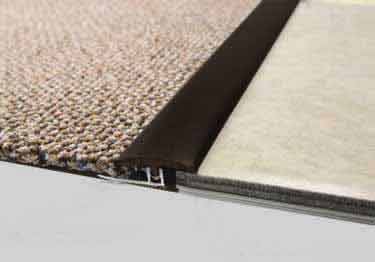


Roppe Vinyl Carpet Edging-A507
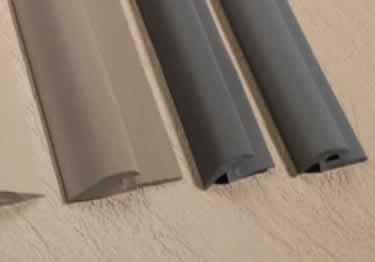
Roppe Rubber Reducers-A528
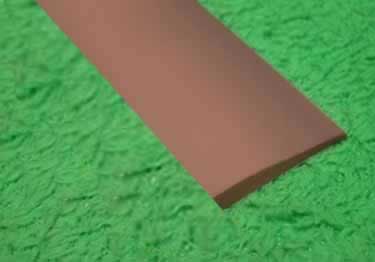
Johnsonite | Tarkett Wheeled Traffic Transition Adaptors-A518
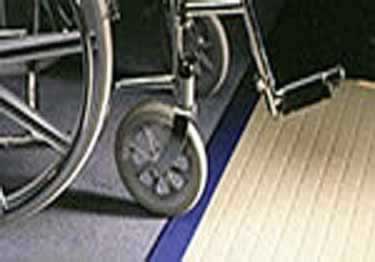
Versatrim® Moldings | Stair Nosing
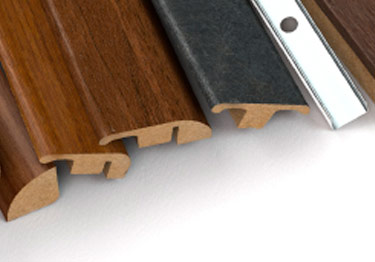
Expansion Joints
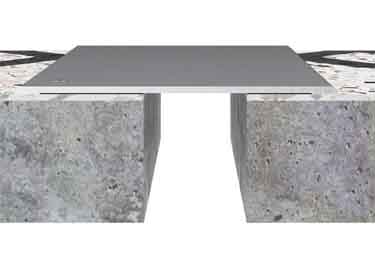
Metal Commercial Thresholds
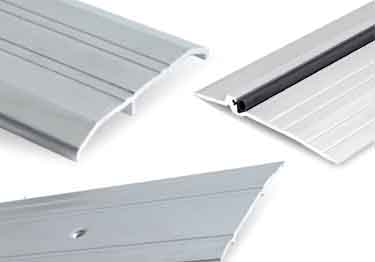
Schluter® Tile Edging | RENO Ramp and RENO Ramp K Profiles-A4639
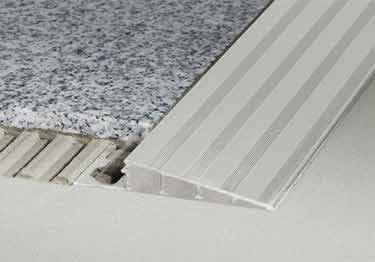
Tile Metal Edging and Transitions
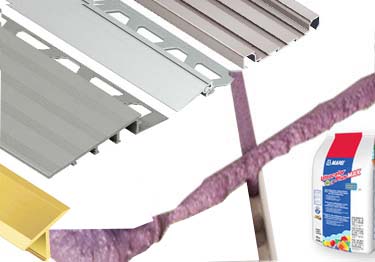
Johnsonite | Tarkett Vinyl Reducers-A519
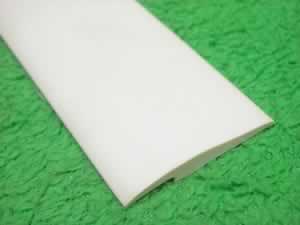
Shower Wheel Chair Ramps-A1093
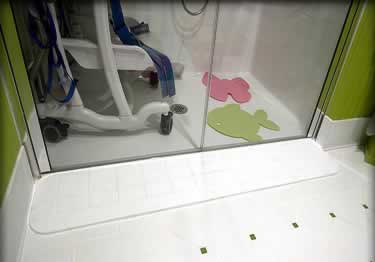
Roppe Rubber Carpet Edging-A529
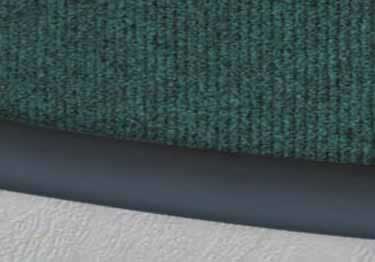
Flexible Paint | Stain Wood Grain Reducers-A1119
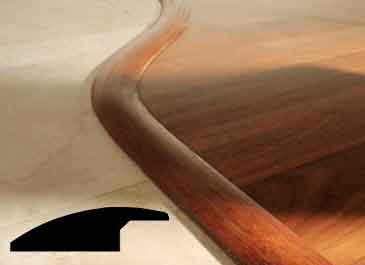
Johnsonite | Tarkett Vinyl Carpet Thresholds-A517
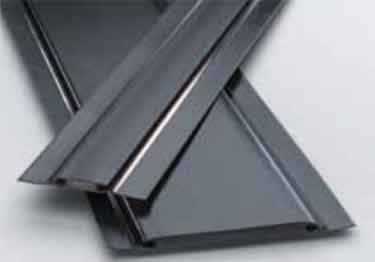
Roppe Rubber Wheeled Traffic Transitions-A524
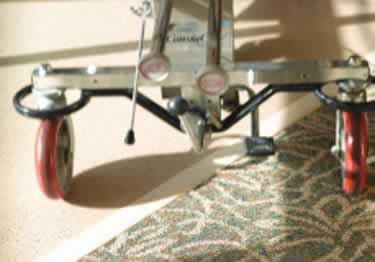
Door Threshold Seal for Hospitality in Vinyl-A278
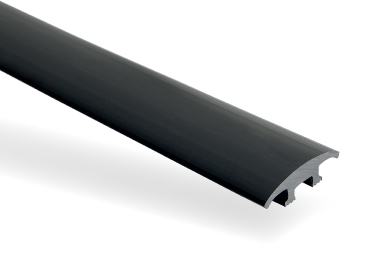
Door Seals and Sweeps
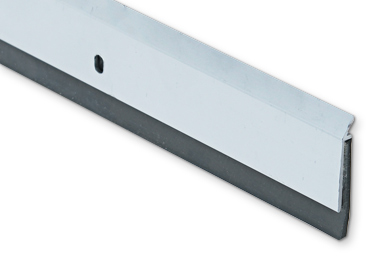
Flexible Paint | Stain Wood Grain T-Moldings-A1120
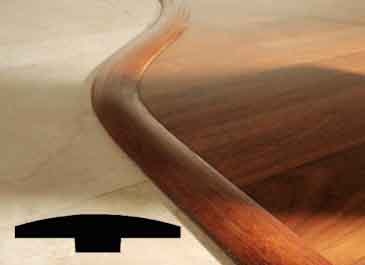
Johnsonite | Tarkett Vinyl Slim Line Transitions-A514
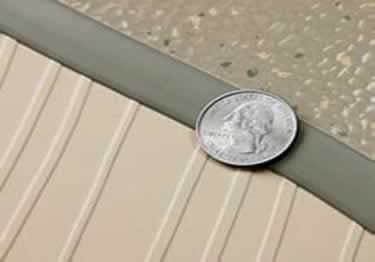
Carpet Transition Strip in Aluminum -A245
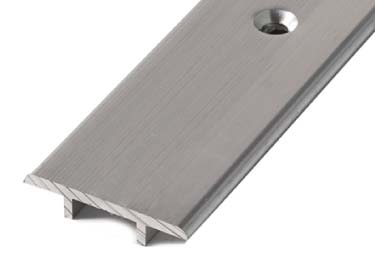
Roppe Rubber Subfloor Leveler-A412
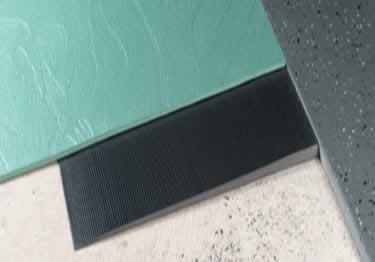
Johnsonite | Tarkett Vinyl Transition Adaptors-A515
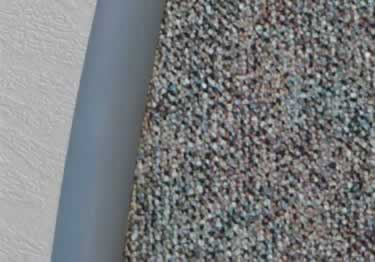
Roppe Rubber Transitions-A525
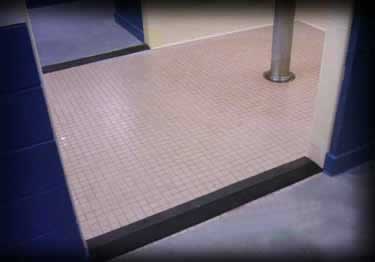
Carpet Edging | Metal Trim-A614
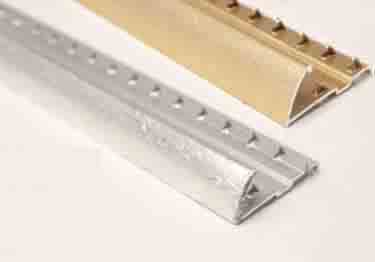
Johnsonite | Tarkett Vinyl Subfloor Leveler-A520
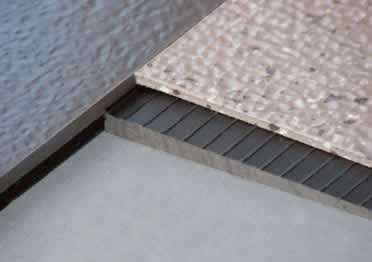
Metal Bevel Bars - For Carpet Transitions-A1116
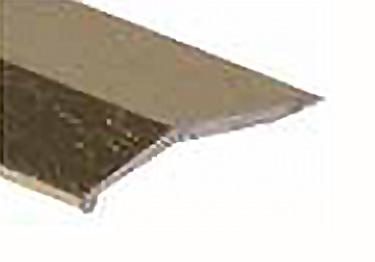
Extra Thick Floor Transition| Reducers-A4655
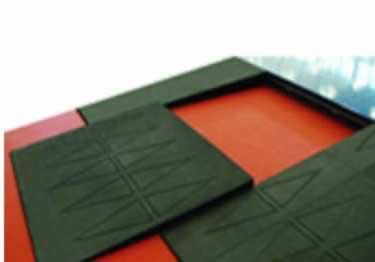
Roppe Vinyl Reducers-A527
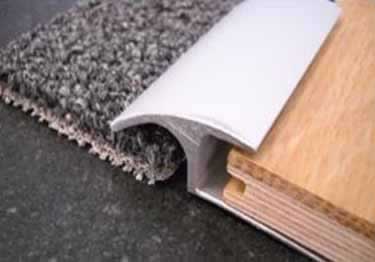
Johnsonite | Tarkett Vinyl Carpet Reducers-A522
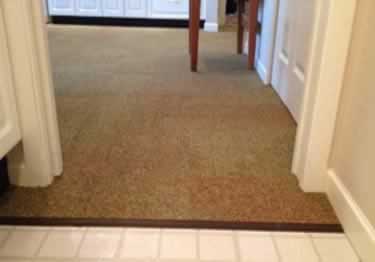
Extra Thick Floor Thresholds-A4654
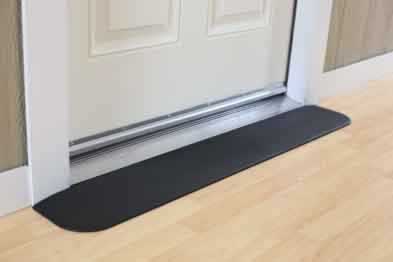
Metal Seam Binders - Flooring Transitions-A1117
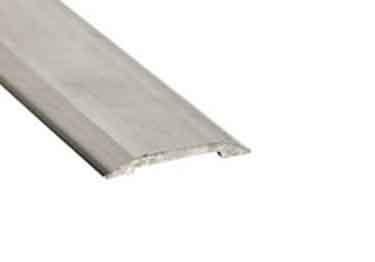
Johnsonite | Tarkett Vinyl Cove Filler Strips-A513
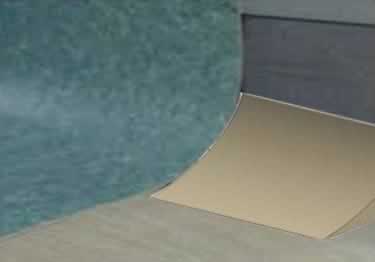
Roppe Vinyl Fillet Strips and Tub Molding-A523
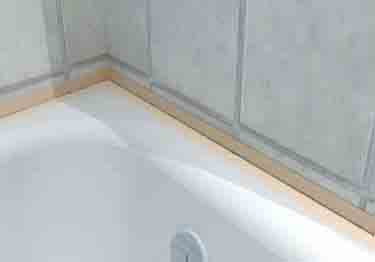
Flexible Paint | Stain Wood Grain Thresholds-A1118
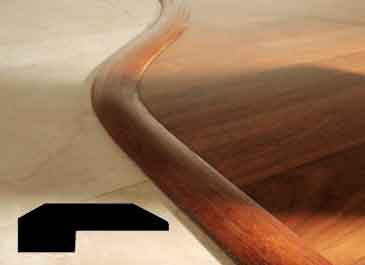
Johnsonite | Tarkett Cove Caps-A512
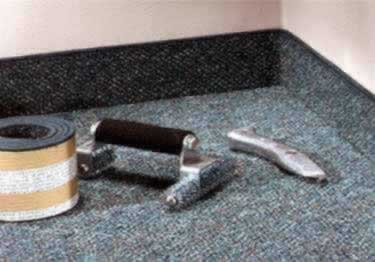
Johnsonite | Tarkett Vinyl Tub Moulding-A521
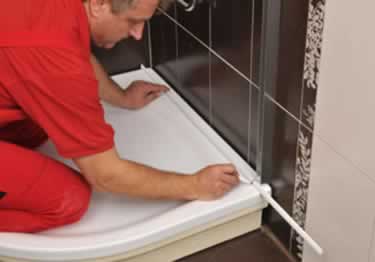
Roppe Rubber Thresholds-A526
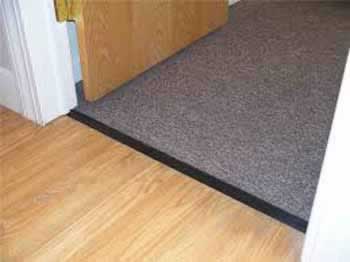
Schluter VINPRO S Molding in Anodized Aluminum-A4775
Recently Viewed Products
White Acrylic Wall Protection Sheets-A436

Lightweight, shiny-white, & more scratch-proof than Polycarbonate. However not as strong. Available in 5 thicknesses, 55 sizes. On sale now, 10% off regular price. Starting at $78.61
CS Acrovyn Rubber Crash Rails-A266
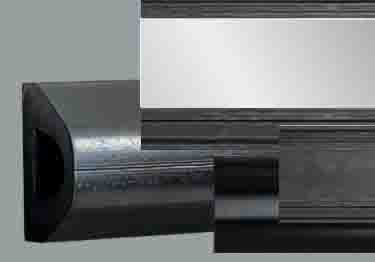
Provide superior protection and shock-absorbing qualities for high-impact traffic areas. Perfect for industrial areas that are prone to extreme abuse. On sale now, 10% off regular price. Starting at $6.77
Cocoa Floor Matting-A619
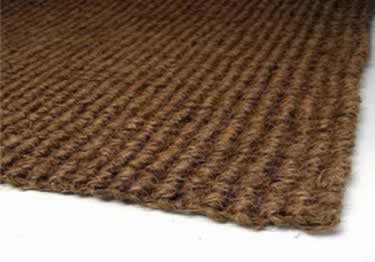
All-natural coconut coir fiber mat for durability & functionality. Six different widths to choose from. On sale now, 10% off regular price. Starting at $426.54
Pegboard Hooks | Chrome Plated-A1510
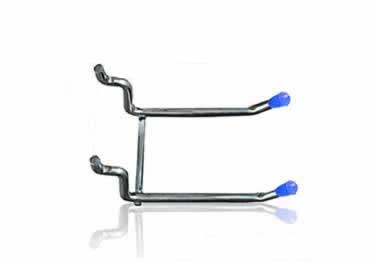
KSC attractive Chrome Peg Hooks look great and are available in many styles and sizes. On sale now, 10% off regular price. Starting at $13.26
Floor Edging - Threshold - Transition Strip Information
Wally and Floora Say:

Wally Says:
Floora, did you know that floor edging is like the perfect pair of cufflinks for your floors—it subtly enhances the overall look while serving a crucial protective role? It creates a smooth transition between different flooring types, and protects the edges from wear and tear. Whether it's a home, office, or commercial space, adding the right floor edging can provide aesthetic appeal and upgrade the functionality of your floors.
Selecting the right floor edging involves considering materials, durability, and the specific needs of your space. Here's a breakdown to help you choose wisely:
- Aluminium: Offers a sleek, modern finish with excellent durability. It's ideal for commercial spaces or areas with heavy foot traffic.
- Rubber: Flexible and resilient, rubber transition strip is perfect for areas requiring extra safety and noise reduction. It's also easy to install and maintain.
- Wood: Adds a classic, warm touch to your space. It's best suited for residential areas or spaces wanting to maintain a traditional décor.
Buying Tip: If you're looking for an edging solution that's both stylish and functional, consider the color and material that best matches your existing flooring. Koffler Sales offers a variety of options to suit any aesthetic and functional requirement.

Floora Says:
Yes Wally, are you overwhelmed by the thought of installing floor edging? Let's simplify the process. Correct installation not only enhances the edging's effectiveness but also its longevity. Here are some straightforward tips:
- Surface Prep: Ensure the floor edge is clean and even. For most types of edging, you'll need a clean surface for the adhesive or fasteners.
- Measure and Cut: Accurately measure the length needed and cut the edging accordingly. Remember, it's better to measure twice and cut once!
- Adhesive Application: For edgings that require adhesive, apply it evenly and press the edging firmly against the floor and wall. For screw-in types, ensure you have the correct drill bit and screws.
- Color Matching: Aesthetics matter! Choosing a floor transition strip color that complements your flooring can make a significant difference in your room's overall appearance.
Buying Tip: Before starting your project, make sure you have all the necessary tools and materials. Koffler Sales provides everything you need for a successful installation, from adhesives to cutting tools.
Frequently asked about transition strips
What is a transition strip?
A transition strip bridges the space between two different types of flooring. These strips are commonly installed between rooms. For example, they connect hardwood flooring in a dining room to tile in a kitchen.
What are the different types of transition strips?
Several types are available depending on your needs. T-bar strips connect floors of equal height. Reducers accommodate height differences. End caps finish off flooring edges. Thresholds are designed for doorways. Specialized strips handle carpet-to-tile transitions.
How do you install transition strips?
The installation method depends on the strip type and your flooring materials. Common approaches include screw mounting, adhesive application, or track systems that snap into place.
When should you use a transition strip?
Use transition strips whenever you're joining two different flooring types. Examples include carpet to tile or tile to hardwood. The strip creates a smooth, safe connection between the materials.
Do doorways always need transition strips?
Not necessarily. If the same flooring continues from one room to another, no transition strip is needed. However, when flooring materials change, you should install a transition strip in the doorway. An example is hardwood in a bedroom meeting tile in a bathroom.