Tile Grout and Mortar

(23 results)

Laticrete® Permacolor™ Grout-A4707
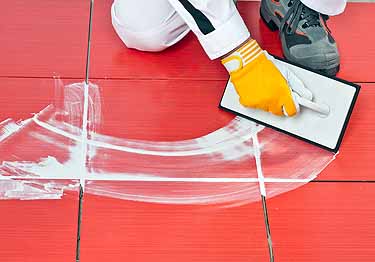

Laticrete® Spectralock 2000 IG™ Grout-A4711
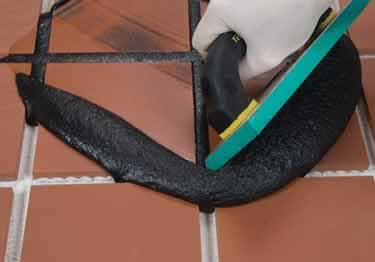
MAPEI® Kerapoxy™ Premium Epoxy Grout and Mortar-A4633
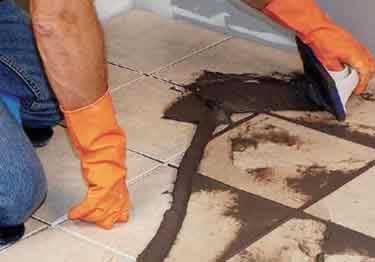


MAPEI® Kerapoxy CQ™ Premium Epoxy Grout | Mortar-A4635
MAPEI® Ultraflex™ 2 - Professional-Grade Tile Mortar with Polymer-A4676
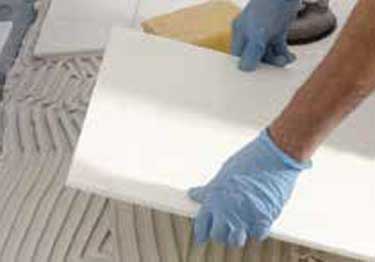
MAPEI® Planicrete® AC Additive for Mortar | Concrete-A4681
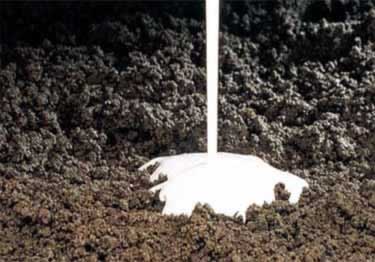
Mapei® Ultracolor Plus FA™ Rapid-Setting Grout-A4612
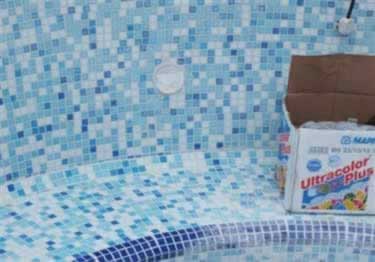
MAPEI® Keracolor S™ Premium Sanded Grout-A4634
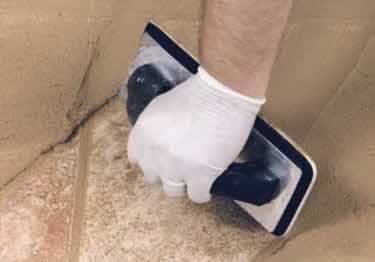
MAPEI® Ultraflex™ 1 - Tile Mortar with Polymer-A4675
Laticrete® 1600 Unsanded Grout™-A4702
Laticrete® LHT™ Large Heavy Tile Mortar-A4706
Laticrete® Permacolor Select Color Kit™-A4708
Laticrete® Spectralock™ Pro Premium Grout-A4710
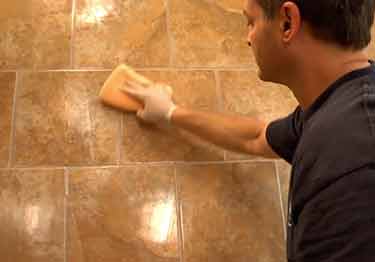
Mapei® Flexcolor CQ Grout™, Ready-to-Use-A4602
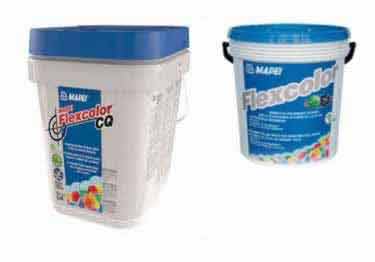
MAPEI® 4 to 1™ Sand and Mortar Mix | Mud Bed Mix-A4679
Mapei® Adesilex P10™ Glass Tile Mortar Polymer-A4615
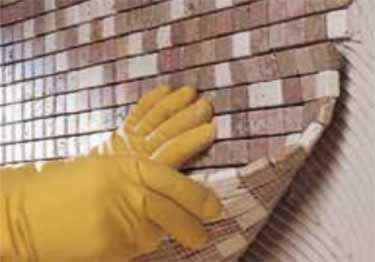
MAPEI® Grout Ultracolor Plus Max-A4631
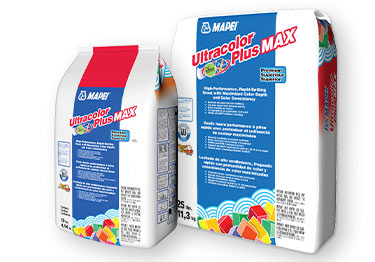
MAPEI® Keracolor U™ Premium Unsanded Grout-A4632
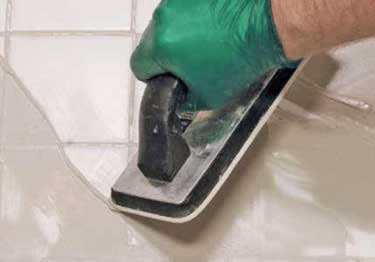
MAPEI® Ultracare ™ Stone, Tile&Grout Sealers-A4607
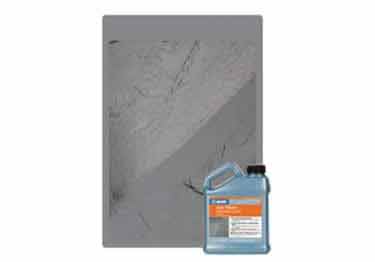
MAPEI® Ultraflex™ LFT™ - Large Format Tile Mortar with Polymer-A4677
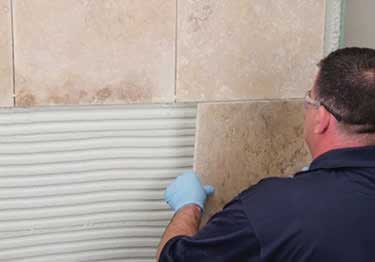
MAPEI® Ultraflex™ LHT™ - Heavy Format Tile Mortar with Polymer-A4687
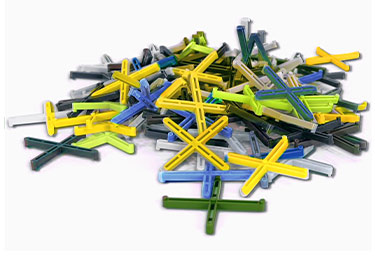
Tile Spacers by Mapei -A196
Recently Viewed Products
Magnetic Wall Panels & White Board-A427

Magnetic Stainless steel, 7 colored steel, and Erasable White Board displays important information&artwork. On sale now, 10% off regular price. Starting at $23.62
CS Acrovyn® HR-8C Handrails-A112
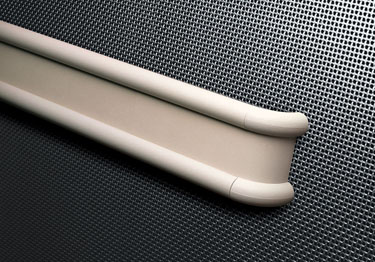
A dual-line handrail designed for wheelchair-bound individuals, the HR-8C handrail is supplied with Quick Lock™ brackets On sale now, 10% off regular price. Starting at $157.86
Johnsonite | Tarkett Wheeled Traffic Transition Adaptors-A518

Safe, professional Vinyl transition for flooring of various materials and heights. 15 Designs in 39 color options. 12 ft strips On sale now, 5% off regular price. Starting at $96.12
Floor Sanding Machine | Adapter | American Sanders-A4695
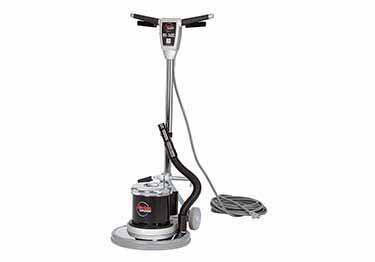
Conquer aggressive sanding jobs with Koffler''s strong, durable, economical American Sanders Rotary Floor Sander with Dust Control. On sale now, 10% off regular price. Starting at $3,005.55
Tile Grout and Mortar Information
Wally and Floora Say:

Wally Says:
Floora, did you know that choosing the right tile grout and mortar is crucial for any tiling project? It's like selecting the right foundation for a building—it holds everything together and ensures your tiles stay put for years to come!
When it comes to picking the right grout and mortar, consider these factors:
- Type of Grout: Choose between sanded, unsanded, and epoxy grout. Sanded grout is ideal for wider joints (1/8 inch or more), providing a strong grip, while unsanded grout is best for narrower joints and delicate tiles. Epoxy grout, although more expensive, offers unmatched stain and water resistance—perfect for kitchens, bathrooms, and commercial spaces.
- Mortar Mixes: Your mortar choice depends on the type of tiles you're installing and the surface they're being applied to. Thin-set mortar is the go-to for most wall and floor tiles, but consider using medium-bed mortar for heavier or large-format tiles. For challenging surfaces like wood or metal, specialty mortars or adhesives might be needed.
- Maintenance Factors: Some grout types require sealing to prevent stains and discoloration. Make sure to choose a grout that suits your lifestyle—low-maintenance options are best for busy households or commercial spaces.
Buying Tip: Consider the tile size, material, and the room’s environment when selecting grout and mortar. For example, bathrooms and kitchens may benefit from water-resistant epoxy grout, while standard cement grout works well in less moisture-prone areas.

Floora Says:
Thanks, Wally! And once you've chosen the perfect grout and mortar, proper application is key to achieving a flawless finish and ensuring long-lasting results. Here are some handy tips to get you started:
- Prep the Surface: Before applying grout or mortar, make sure your surface is clean, dry, and free of dust or debris. This ensures the best possible adhesion and prevents any future issues.
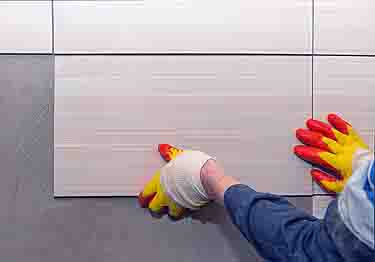
- Mixing the Right Consistency: Follow the manufacturer's instructions to achieve the right consistency for your grout or mortar. Too thick, and it may not spread properly; too thin, and it won't hold tiles securely.
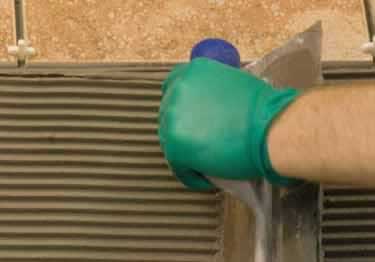
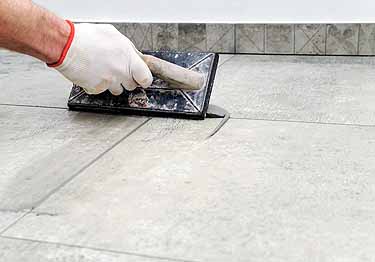
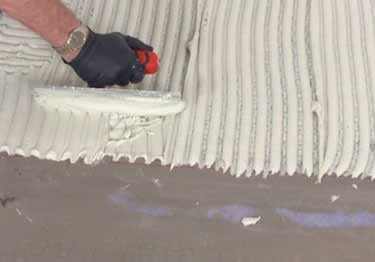
- Application Technique: Use a grout float to press grout into the joints at a 45-degree angle, removing excess as you go. For mortar, apply an even layer using a notched trowel, holding it at the correct angle to ensure full coverage.
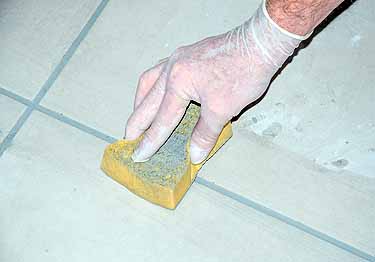
- Cleaning Up:
- Sealing and Protecting: If your grout type requires it, apply a high-quality sealer to protect against stains and moisture. Be sure to follow the drying times recommended by the manufacturer.
Buying Tip: When choosing grout, consider the type of tile edging you’ll use to achieve a clean and finished look for your project. Also, think about installing baseboards for a seamless transition between your tiles and walls.