Temporary Floor Protection

(16 results)
Floor | Multisurface Film Protection-A1020
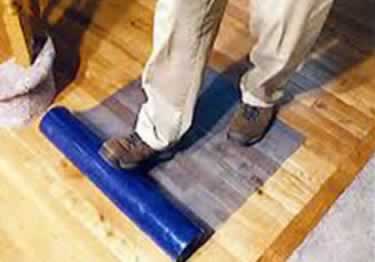

Carpet Film Plastic Protection-A1010

Floor Protectors and Furniture Sliders
Red Rosin Paper | Reinforced-A1030
Floor Protection Soft Reusable Matting-A1200
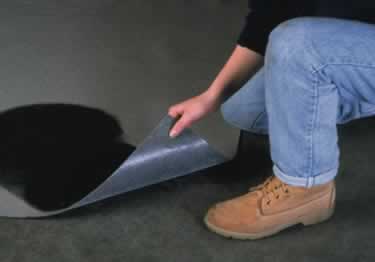

Floorotex® Spillproof Floor Carpet Protection Breathable-A1062
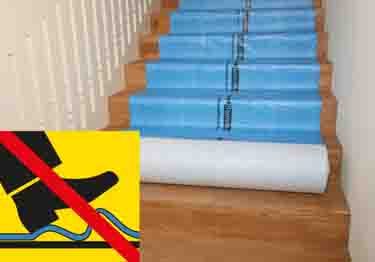

Water Resistant Builderboard Floor Protection-A1201
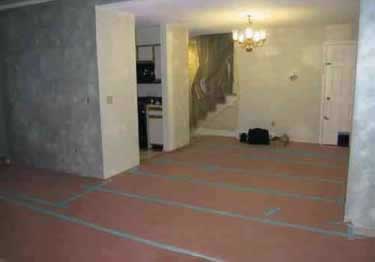
Heavy Duty OSHA Orange Fire Retardant Floor Protection-A1013
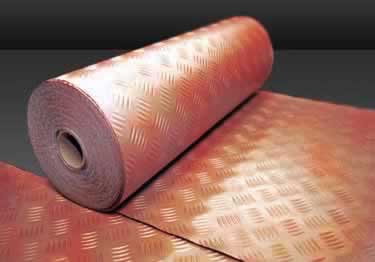
Floor and Stair Protection Film-A1027
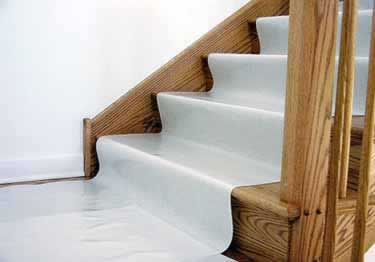
Blue Vinyl Tape 6 Mil-A211
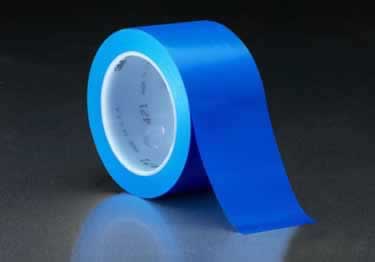
Temporary Floor Protection Pads for Construction - Cardboard-A1037
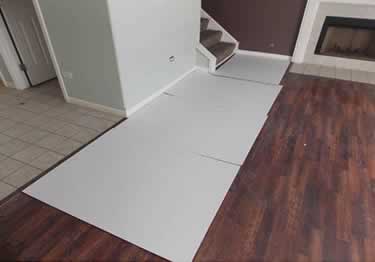
Ram Board Floor Protection Board-A1210
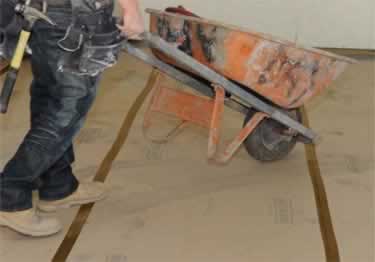
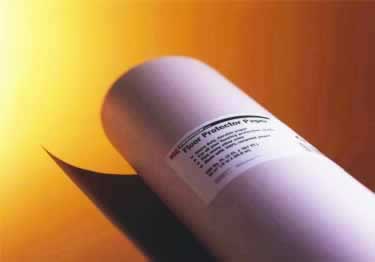
USG Fiberock Floor Protect Paper-A1036
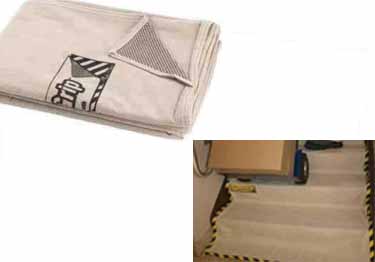
Painters Non-Slip Drop Cloth by CoverGrip-A1016
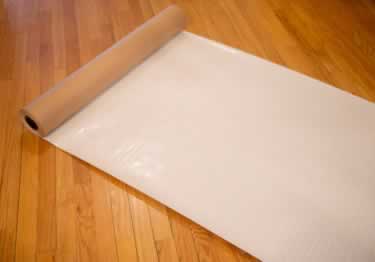
Triple Re-Enforced Poly-Craft Floor Protector-A1063
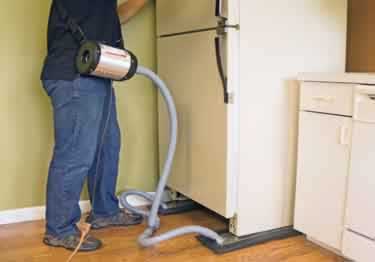
Heavy-Duty Dual Air Furniture Glider & Mover-A1064
Recently Viewed Products
General Purpose Reflective Tape&Vehicle Grade-A202
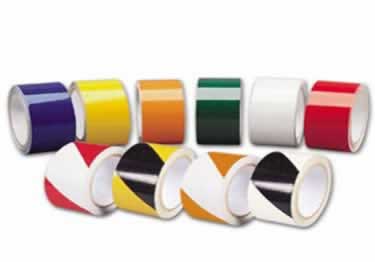
Reflective tape products to fit most any application-offers vibrant daytime visibility with reflective properties for nighttime. On sale now, 5% off regular price. Starting at $20.36
Roppe Rubber Carpet Edging-A529
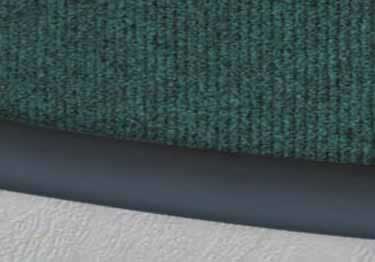
Create a smooth transition from your carpet flooring with Roppe rubber carpet edging. Available in 10 profiles and 30 colors. On sale now, 10% off regular price. Starting at $37.97
Temporary Floor Protection Information
Wally and Floora Say:

Wally Says:
Floora, did you realize that temporary floor protection is like a suit of armor for your floors during construction or renovations? Just as a raincoat shields us from getting wet, these protective solutions keep floors safe from spills, drops, dirt, and heavy foot traffic. Whether it's a home renovation project or a large-scale commercial construction, temporary floor protection is key to preserving the quality and appearance of your flooring.
Choosing the right floor protection:
- Coverage Area: Measure your space to ensure you buy enough material to cover all necessary areas, including walkways and perhaps even furniture that remains in the room.
- Adhesive vs. Non-Adhesive: Some floor protectors have adhesive backs to prevent slipping, while others are designed to be taped down or simply laid in place. Choose based on your floor type and the duration of the project.
Buying Tip: Always consider the type of floor and the specific risks it faces during your project to select the most appropriate protection.

Floora Says:
Thanks, Wally! Wondering about installation? It's straightforward and can make a huge difference in protecting your investment. Here's the best way to apply temporary floor protection:
- Surface Prep: Clean the floor thoroughly to remove any dust or debris. This ensures the protective material adheres better and provides a stable surface.
- Cut to Fit: Use measurements of the room to cut the protection material to size, leaving a bit of overlap at the edges to ensure complete coverage.
- Secure in Place: Depending on the type of protection, you may need to tape the edges down to prevent movement. For adhesive-backed options, carefully peel and stick to avoid bubbles.
- Overlap Sections: Overlap sheets by at least a few inches when laying them down to prevent any gaps where dirt could enter.
Buying Tip: Shield your floors during projects with construction site protection to prevent damage from heavy equipment. Pair this with dust containment systems to keep the air and workspace clean from dust and debris.
Floor Protection Types: How to Choose
Each type trades off cost, reusability, and how much abuse it can take. Use this comparison to match the protection to the project.
| Type | Best for | Notes |
|---|---|---|
| Self-adhesive plastic film | Finished floors, carpet, tile, shorter projects | Grips the surface with no tape and peels off clean |
| Reinforced paper and poly-craft | Economical coverage, paint and masonry work | Breathable and absorbent, usually single use |
| Hardboard and protection board | Heavy jobsite traffic and rolling loads | Heavy-duty, breathable, and reusable, like Ram Board and Builderboard |
| Reusable soft matting | Repeated use on finished floors and counters | Cushioned, washable, and long lasting |
| Fire-retardant board | Jobsites with hot work or code requirements | Flame-retardant and high visibility, in 13 and 25 mil |
Match the protection to your surface
| Surface or project | Recommended | Why |
|---|---|---|
| Hardwood and finished floors | Self-adhesive film or reusable matting | Protects the finish without trapping moisture |
| Tile and vinyl | Plastic film or breathable board | Guards against cracks, scratches, and grout damage |
| Carpet | Carpet protection film | Self-adhesive film keeps dirt and traffic off the pile |
| Curing concrete | Breathable board or paper | Lets the slab release moisture while it is protected |
| Marble and stone | Reinforced paper or hardboard | Cushions against chips and surface staining |
| Painting | Non-slip drop cloth | Catches drips and stays put underfoot |
| Moving heavy items | Furniture glides and sliders | Move loads without gouging the floor |
Why Temporary Floor Protection Is Worth It
Replacing a damaged hardwood, tile, or marble floor costs many times more than covering it for the length of a project. A few dollars of protection up front prevents scratches, stains, and cracks that turn into punch-list items and callbacks at the end of a job.
Breathability matters on new work. Curing concrete and freshly finished floors need to release moisture, so a breathable board or paper avoids trapping it, which can cause discoloration, efflorescence, or adhesive failure. Non-breathable film is best saved for fully cured, finished surfaces.
Fire safety is a factor on active jobsites. Flame-retardant protection limits combustible material during construction, a concern addressed by NFPA 241, the standard for fire safety during construction, alteration, and demolition.
From the Field
"On a jobsite, replacing a damaged hardwood or marble floor costs many times what it costs to cover it. After more than 40 years, I tell contractors to match the protection to the surface and the traffic, and to use a breathable board on anything that is still curing."
— Ron Starr, President and Co-Founder, Koffler Sales Company
Temporary Floor Protection FAQ
What is the best temporary floor protection?
It depends on the surface and the traffic. For finished floors and short projects, a self-adhesive film works well. For heavy jobsite traffic and rolling loads, a reusable board like Ram Board or Water Resistant Builderboard holds up best.
What is the difference between plastic, paper, and board floor protection?
Plastic film, such as the Koffler multisurface film, grips a finished floor and peels clean. Paper like Red Rosin Paper is economical and breathable for paint and masonry work. Board is the most rugged, taking dropped tools and rolling traffic on a busy site.
How do you protect floors during construction?
Clean the floor, lay the right protection for the surface, overlap seams by a few inches, and tape or peel-and-stick the edges so nothing shifts. On busy sites, add construction site protection products for stairs, doors, and walls too.
What is the best protection for hardwood floors?
Use a self-adhesive film or a reusable soft protection mat so the finish is covered without trapping moisture. Avoid taping adhesive directly to a finished hardwood surface.
Is temporary floor protection reusable?
Some types are. Boards like Ram Board, reusable soft matting, and certain finished-floor films can be lifted and reused across jobs, while paper and single-use films are meant to be recycled or discarded after one project.
How do you protect carpet during a renovation?
Use a self-adhesive carpet protection film that grips the pile and keeps dirt, spills, and foot traffic off. It peels away cleanly when the work is done.
Do you need breathable floor protection for new concrete?
Yes. Curing concrete releases moisture, so a breathable board or a breathable spillproof film like Floorotex protects the slab without trapping moisture that can cause discoloration.