Temporary Floor Protection

(16 results)
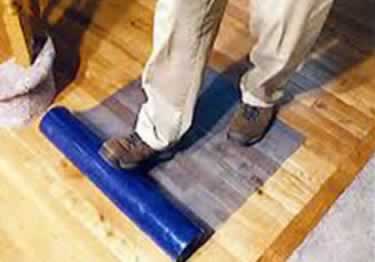
Floor | Multisurface Film Protection-A1020

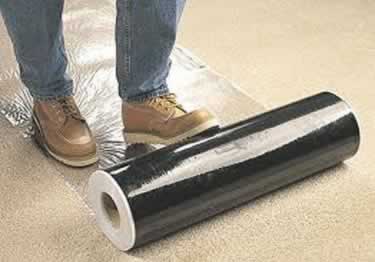
Carpet Film Plastic Protection-A1010


Floor Protectors and Furniture Sliders
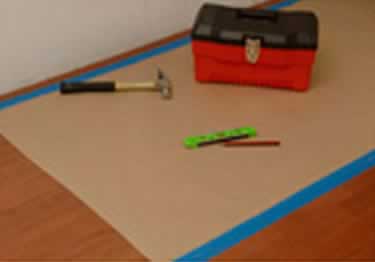
Red Rosin Paper | Reinforced-A1030
Floor Protection Soft Reusable Matting-A1200
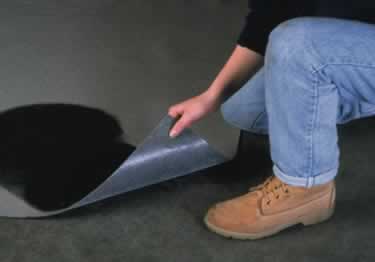

Floorotex® Spillproof Floor Carpet Protection Breathable-A1062
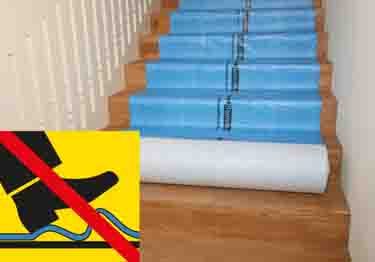
Water Resistant Builderboard Floor Protection-A1201
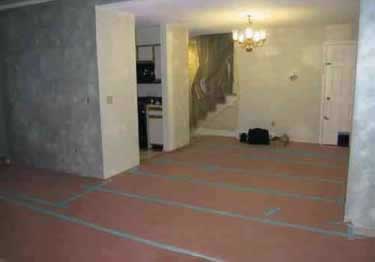
Heavy Duty OSHA Orange Fire Retardant Floor Protection-A1013
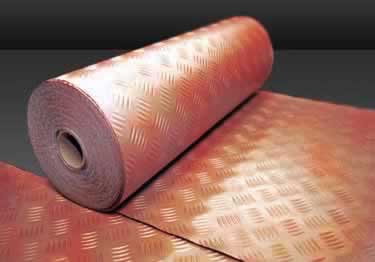
Floor and Stair Protection Film-A1027
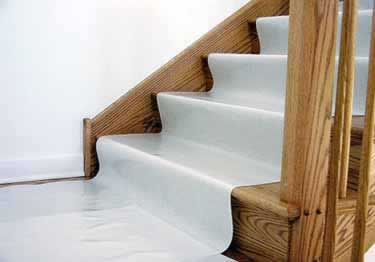
Blue Vinyl Tape 6 Mil-A211
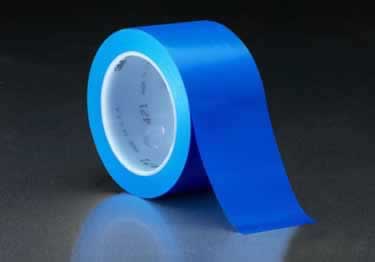

Temporary Floor Protection Pads for Construction - Cardboard-A1037
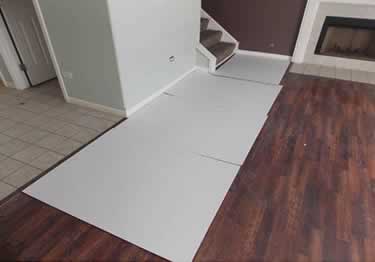
Ram Board Floor Protection Board-A1210
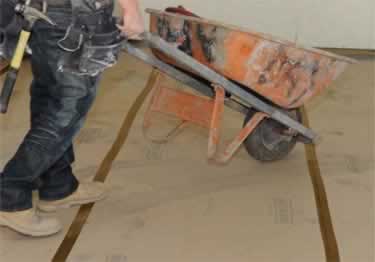
USG Fiberock Floor Protect Paper-A1036
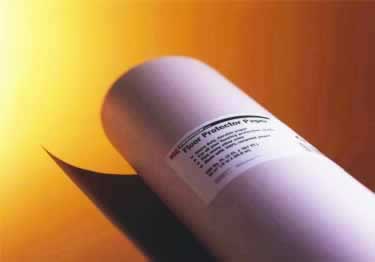
Painters Non-Slip Drop Cloth by CoverGrip-A1016
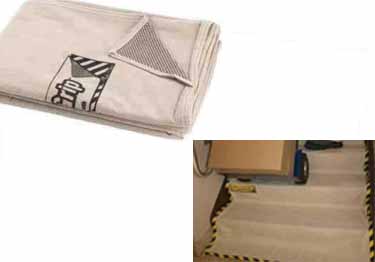
Triple Re-Enforced Poly-Craft Floor Protector-A1063
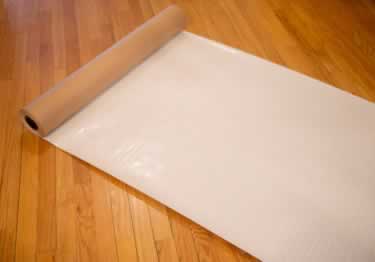
Heavy-Duty Dual Air Furniture Glider & Mover-A1064
Recently Viewed Products
Honeycomb Floor Mat by Teknor Apex-A664
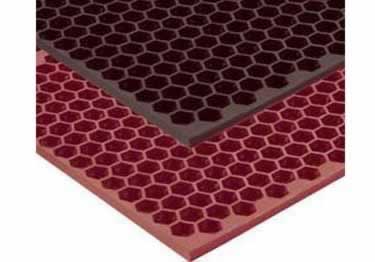
Grease resistant rubber floor mat ideal for kitchens, labs, and industrial plants. On sale now, 10% off regular price. Starting at $126.68
Next Floor Context Plus 706 Nylon Carpet Tiles-A152
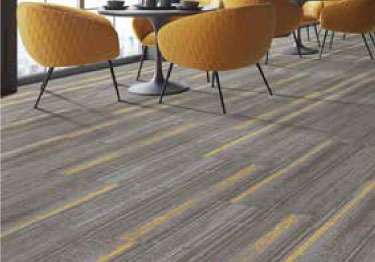
Carpet Tile features solution-dyed nylon fibers and is 100% PVC- free. It offers an 18 oz. pile weight and 5500 density On sale now, 10% off regular price. Starting at $190.08
Temporary Floor Protection Information
Wally and Floora Say:

Wally Says:
Floora, did you realize that temporary floor protection is like a suit of armor for your floors during construction or renovations? Just as a raincoat shields us from getting wet, these protective solutions keep floors safe from spills, drops, dirt, and heavy foot traffic. Whether it’s a home renovation project or a large-scale commercial construction, temporary floor protection is key to preserving the quality and appearance of your flooring.
Choosing the Right Floor Protection:
- Coverage Area: Measure your space to ensure you buy enough material to cover all necessary areas, including walkways and perhaps even furniture that remains in the room.
- Adhesive vs. Non-Adhesive: Some floor protectors have adhesive backs to prevent slipping, while others are designed to be taped down or simply laid in place. Choose based on your floor type and the duration of the project.
Buying Tip: Always consider the type of floor and the specific risks it faces during your project to select the most appropriate protection.

Floora Says:
Thanks, Wally! Wondering about installation? It's straightforward and can make a huge difference in protecting your investment. Here’s the best way to apply temporary floor protection:
- Surface Prep: Clean the floor thoroughly to remove any dust or debris. This ensures that the protective material adheres better and provides a stable surface.
- Cut to Fit: Use measurements of the room to cut the protection material to size, leaving a bit of overlap at the edges to ensure complete coverage.
- Secure in Place: Depending on the type of protection, you may need to tape the edges down to prevent movement. For adhesive-backed options, carefully peel and stick to avoid bubbles.
- Overlap Sections: Make sure to overlap sheets by at least a few inches when laying them down to prevent any gaps where dirt could enter.
Buying Tip: Shield your floors during projects with construction site protection to prevent damage from heavy equipment. Pair this with dust containment systems to keep the air and workspace clean from dust and debris.