Crawl Space Moisture Barriers

(12 results)
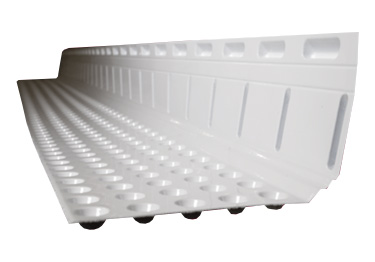
WaterShield Crawl Space Basement Footing Drain Board-A261



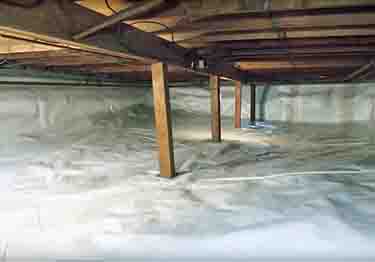
Crawl Space Vapor Barrier | Insulation-A1041

Crawl Space Drainage Matting | Footing Drain Board-A1050
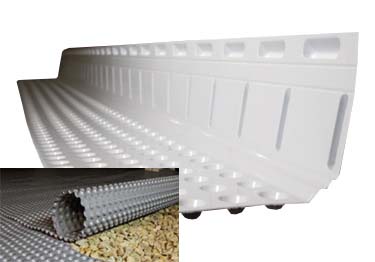
- WaterShield Crawl Space Basement Footing Drain Board
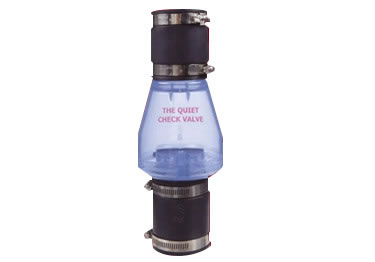
Quiet Check Sump Pump Valve-A259
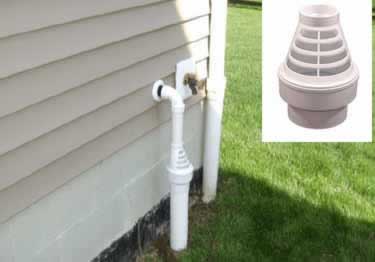
Sump Pump Freeze Guard-A1088
SJE Rhombus Sump Pump Tank Alert Alarm System-A247

WhiteCap Crawl Space Basement Insulation Liner-A248
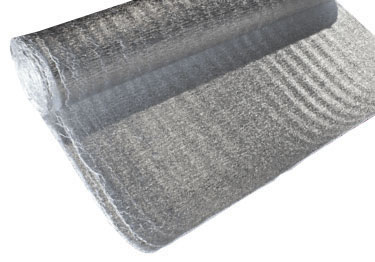
WhiteCap Pre-Cut Crawl Space Vent Blocks-A249
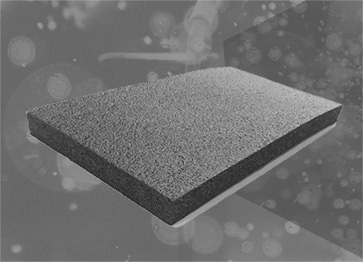
WhiteCap Insul-Door-A250
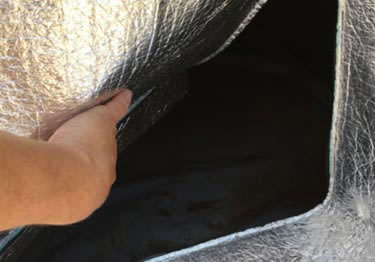
French Drain System | Gravel Free-A1051

Access Doors and Panels
Air Movers and Commercial Fans
Recently Viewed Products
ESD Electrostatic Discharge Rubber Flooring by Flexco®-A168

Flexco® ESD Rubber Flooring is a comprehensive system for complete static protection On sale now, 10% off regular price. Starting at $1,844.68
Crawl Space Moisture Barriers Information
Wally and Floora Say:

Wally Says:
Floora did you know, protecting your home starts from the ground up. Our crawl space moisture barriers are designed to prevent moisture infiltration, which can lead to mold growth, wood rot, and compromised structural integrity. Ideal for homeowners, builders, and contractors, these barriers provide an essential layer of protection, ensuring a dry and healthy foundation for any property.
Here's what to consider when selecting a crawl space moisture barrier for your needs:
- Material Strength and Permeability: Our barriers are made from high-quality, durable materials like polyethylene or reinforced poly, designed to resist tears and punctures while providing an impermeable layer against moisture.
- Thickness: Barrier thickness ranges from 6 mil to 20 mil. Thicker barriers offer better durability and moisture protection, ideal for areas with high humidity or water tables.
- Coverage Area: Measure your crawl space to ensure you select a barrier with adequate size to cover the entire area, including walls and piers for comprehensive protection.
- Installation Accessories: Consider the necessary accessories for a secure installation, such as seam tape, stakes, or butyl tape, ensuring a completely sealed and effective moisture barrier.
Buying Tip: For environments prone to flooding or severe moisture, opt for a heavier, more durable barrier and consider professional installation to ensure maximum protection and longevity.

Floora Says:
Thank you Wally, but also keep in mind that installing a crawl space moisture barrier is a proactive step toward maintaining your home's value and health. Here's how to achieve the best results:
- Surface Preparation: Start with a clean, debris-free crawl space. Smooth out sharp rocks or objects that could puncture the barrier.
- Proper Overlap: When laying out the barrier, overlap seams by at least 12 inches to ensure no gaps for moisture to penetrate, securing overlaps with seam tape.
- Secure to Foundation Walls: Extend and secure the barrier up the crawl space walls to create a fully encapsulated space, preventing moisture from entering through the sides.
- Regular Inspection: Periodically check the barrier for damage or displacement, making repairs as needed to maintain its integrity and effectiveness.
Buying Tip: Don't forget to address other moisture sources by ensuring proper exterior drainage and possibly installing a dehumidifier in the crawl space for optimal humidity control. Need a sump pump upgrade? We've got you covered.
Crawl Space Vapor Barrier Thickness: How to Choose
Thickness is measured in mils (one mil equals one-thousandth of an inch). Thicker barriers resist tears and last longer, which matters in any crawl space that will be entered for maintenance or used for storage.
| Thickness | Best for | Notes |
|---|---|---|
| 6 mil | Vented crawl spaces, code-minimum ground cover | Meets IRC R408.3 minimum. Tears easily, best where it will not be disturbed. |
| 10 mil | Crawl spaces entered occasionally, light encapsulation | Stronger and puncture-resistant. Matches the 2021 IRC under-slab thickness standard. |
| 12 mil | Damp crawl spaces, frequent foot traffic | Reinforced poly with scrim. A practical balance of cost and durability. |
| 20 mil | Full encapsulation, high water table, contractor jobs | Heavy-duty reinforced liner. Longest service life, best moisture and gas control. |
Which Crawl Space Product Fits Your Situation
| Crawl space condition | Recommended approach | Why |
|---|---|---|
| Standard, mostly dry | 6 to 10 mil vapor barrier, seams taped | Blocks ground moisture vapor at the lowest cost. |
| Damp or high humidity | 12 to 20 mil reinforced barrier | Resists punctures and holds up against persistent moisture. |
| Standing water or poor drainage | Drainage matting plus a French drain and sump pump | Channels water away before it can pool under the home. |
| Full encapsulation or conditioned | 20 mil liner up the walls, vent blocks, dehumidifier | Creates a sealed, conditioned space and meets unvented-crawl-space code. |
| Cold climate, energy loss | Insulated radiant barrier liner | Adds an insulating layer to reduce heating and cooling loss. |
Why Crawl Space Moisture Control Matters
Mold needs moisture to grow. The U.S. EPA recommends keeping indoor relative humidity below 60 percent, ideally between 30 and 50 percent, and a sealed crawl space helps hold humidity in that range across the whole home.
Code sets the floor. IRC R408.3 requires a continuous Class I vapor retarder of at least 6 mil over exposed earth in an unvented crawl space, with seams overlapped 6 inches and the edges run 6 inches up the foundation wall. For under-slab work, the 2021 IRC raised the minimum to a 10-mil retarder meeting ASTM E1745 Class A, a useful benchmark when comparing reinforced barriers.
Speed prevents damage. The EPA notes that if wet materials are dried within 24 to 48 hours, in most cases mold will not grow, which is why drainage and a sealed barrier work best together.
From the Field
"People are often surprised that a crawl space drives the air quality of the whole house. After 40-plus years in moisture protection, my advice is simple: cover the ground, seal the seams, and carry the barrier up the walls. That barrier is a small cost set against mold and wood rot."
— Ron Starr, President and Co-Founder, Koffler Sales Company
Crawl Space Moisture Barrier FAQ
What thickness vapor barrier do I need for a crawl space?
Code requires a 6-mil minimum Class I vapor retarder (IRC R408.3). Six mil works for a vented crawl space that will not be disturbed. If you enter the space for storage or maintenance, or you are encapsulating, step up to a reinforced 10-mil to 20-mil crawl space vapor barrier so it resists punctures.
How much does a crawl space moisture barrier cost?
Material cost depends on thickness and square footage. A basic reinforced vapor barrier starts at about $85, while a full insulated liner system runs higher. Drainage matting, French drains, and sump pump accessories add cost on wet sites. See current pricing on each product above.
Can a vapor barrier cause mold in a crawl space?
Installed correctly, a vapor barrier prevents mold by blocking ground moisture. Problems happen when moisture is trapped from another source, such as a plumbing leak or standing water, with no drainage. Pair the barrier with proper drainage matting and a sump pump, and keep humidity in the EPA range of 30 to 50 percent.
What is the best moisture barrier for a crawl space?
For most homes, a reinforced 12-mil to 20-mil polyethylene barrier offers the best balance of durability and moisture control. For a high water table or a fully conditioned space, choose a 20-mil liner run up the foundation walls. Match the product to your crawl space condition using the table above.
How do you install a crawl space vapor barrier?
Clear debris and smooth sharp objects, lay the barrier over the exposed earth, overlap seams by at least 6 to 12 inches and tape them, then run the material 6 inches up the foundation walls and secure it. Code (IRC R408.3) requires sealed seams and the 6-inch wall extension on unvented crawl spaces.
Do I need a vapor barrier in a vented crawl space?
Yes. The IRC requires a ground cover over exposed earth in both vented and unvented crawl spaces. In a vented space the barrier still blocks soil moisture vapor. In an unvented or encapsulated space it works with conditioned air or a dehumidifier to keep the area dry.
What is the difference between a vapor barrier and crawl space encapsulation?
A vapor barrier covers the ground to block soil moisture. Encapsulation seals the entire space, walls included, and adds conditioned air or a dehumidifier. For insulated encapsulation systems, see our radiant and moisture barrier insulation products.