
 Posted by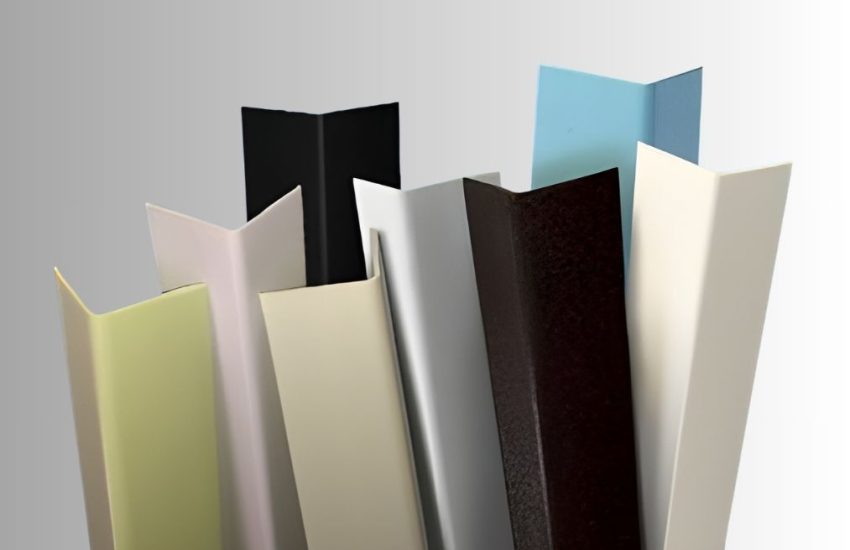
During the construction of a home, office space, warehouse, and most building applications where a wall meets making a corner, the use of wall corner guards are incorporated. The basic use in carpentry is a thin, metal strip adhered with drywall mud, to create a finished corner. While the carpenter uses nails that are driven into pre-drilled slots, these are concealed by the mud, this is later painted and unnoticeable to the naked eye. The use of self-adhesive guards and liquid nail adhesive are also utilized.
The wall corner guards have evolved over the years, and their practical and decorative uses enhance any living space. Both practical and functional, they help to maintain the shape of the vertical point and protect the edge from damage resulting from any contact by man or machine. They come in a variety of materials and designs, allowing them to blend seamlessly with different interiors or stand out as a bold design element.
Key Takeaways
Choosing the right wall corner guards comes down to four decisions: material, grade, height and mounting method.
- Corner guards protect the drywall corner bead from impact damage, in both commercial and residential buildings.
- Material follows traffic level. Metal for heavy impact, PVC and vinyl for general commercial use, rubber where cushioning matters, wood or faux wood for appearance in low traffic rooms.
- Commercial grade guards use an aluminum retainer with a snap on cover. Residential grade guards are a one piece profile mounted to the wall surface.
- Standard heights are 4 foot and 8 foot. Shorter runs are cut from a standard length rather than custom ordered.
- Mounting is either adhesive backed or mechanically fastened. Surface condition decides which will hold.
In essence, that is their primary purpose in residential construction to protect the corner bead.
Around the office, stainless, vinyl and paintable corner guard profiles are used in a variety of ways, protecting the interior walls edge, and also as safety features when used to cover a desktop or cabinet edge. In this environment, the corner guards can also be customized in different textures and finishes, such as matte, glossy, or metallic, to match the office overall aesthetic. Available in a variety of sizes and textures, the theme of an interior design is complimented with ease.
Not overlooking the warehousing workplace, the wall corner guards also add protection, not only to the surface areas, but for the employee as well. Sharp edges of tier levels, obscured corners, and other potential hazards can become less ominous with rubber guards applied. Installing rubber or impact-resistant guards can reduce accidents, improving workplace safety standards. From the inner office, to the shipping docks, the use of protective guards pays for themselves over and again.
Common Materials for Wall Corner Guards
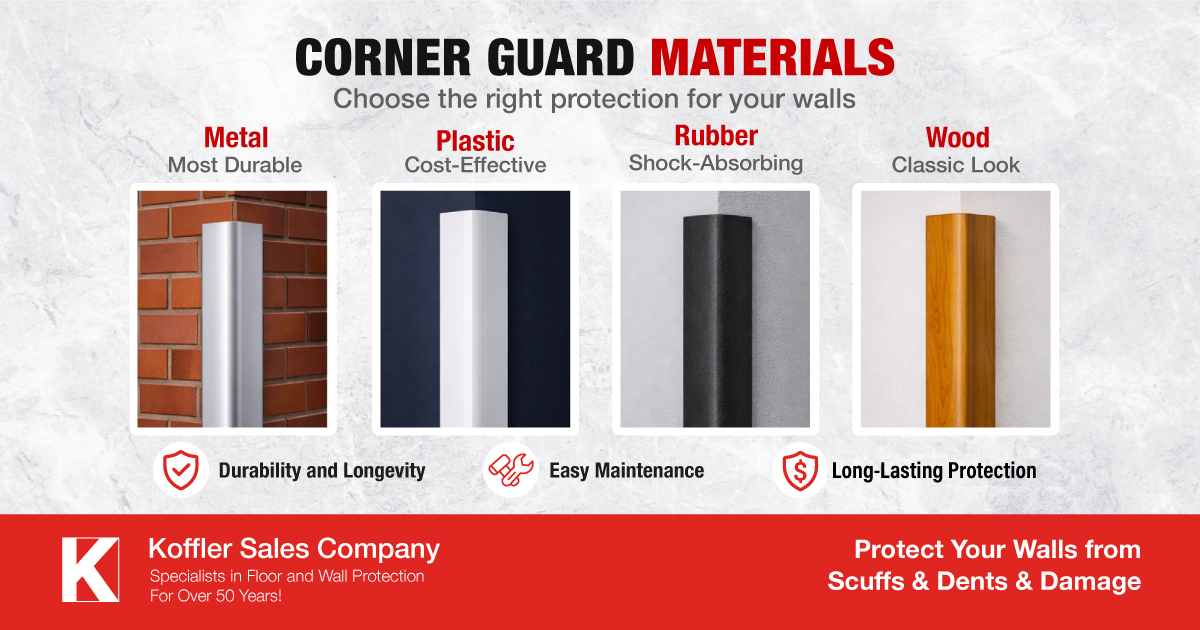
Wall corner guards can be made from a variety of materials, each offering different benefits in terms of durability, aesthetics, and cost. Here is a breakdown of some common materials:
Metal
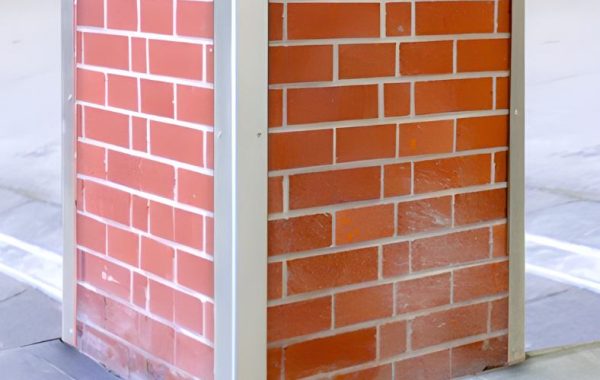
Often used in heavy-duty applications, metal corner guards (like stainless steel, aluminum, and brass) provide excellent durability and resistance to impact. They are suitable for high-traffic areas or places susceptible to heavy wear and tear. For added design appeal, metal corner guards can come in brushed, polished, or powder-coated finishes. They offer a range of benefits that make them a strong option for both residential and commercial spaces.
More of a visual learner? Watch how corner guards with aluminum retainer are installed.
Aluminum resists corrosion well enough for covered exterior walkways as well as interior corners, and a brushed finish hides fingerprints and light scratching better than a polished one. Metal profiles are not limited to walls, the same stock protects countertop and table edges in break rooms and cafeterias. Most metal guards are recyclable at the end of a service life measured in decades, which matters on projects tracking material credits.
Three things to get right on a metal install:
- Measure each corner before ordering. Metal does not stretch to fit the way a flexible vinyl profile will.
- If you are skipping screws, use a construction grade adhesive rather than a general purpose one.
- Clean and dry the surface first. Adhesion failures on metal are almost always a surface preparation problem.
Plastic
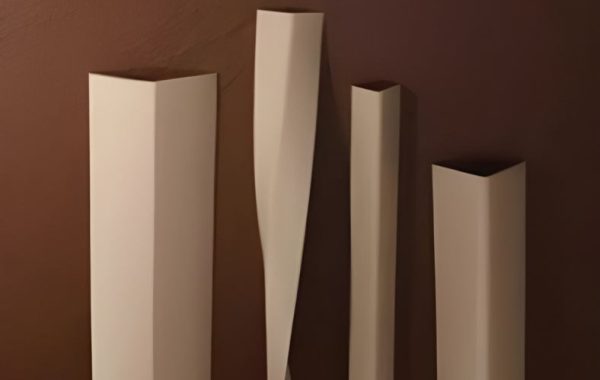
Including materials like PVC and flexible vinyl, plastic corner guards are versatile, cost-effective, and easy to install. They offer good protection against scuffs and are available in a range of colors to match various decor styles. Plastic guards are particularly popular in hospitals and schools due to their affordability and ease of replacement. PVC is also available fire rated and with antibacterial additives, which is why it is specified so often in hospital corridors, schools, and offices where chairs are constantly moved against the walls.
Rubber
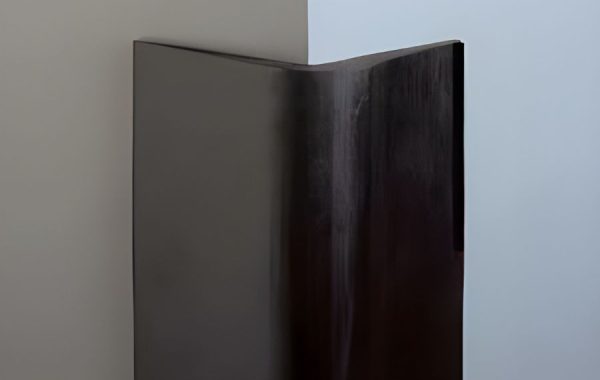
Known for their shock-absorbing qualities, heavy-duty corner guards are ideal for environments where bump protection is crucial, such as garages and warehouses. They are also beneficial in child-centric environments due to their cushioning effect. Because rubber absorbs shock from machinery rather than transferring it into the drywall, it is the usual choice in parking garages, loading docks, and any area where pallet jacks and carts run close to a wall.
Wood
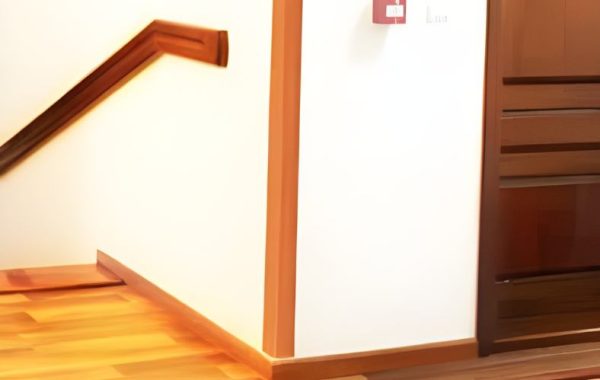
Wood corner guards, often made from faux wood, blend well with traditional or luxurious interiors and are typically used for their visual appeal rather than for high-level protection. They can be customized to match existing woodwork. However, wood guards require maintenance and are best used in low-traffic residential settings.
Shop This Guide
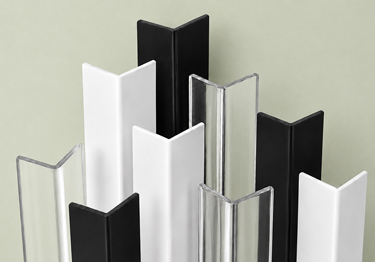
Clear and Colored Smooth Corner Guards
Best for Offices and retail where the guard should disappear
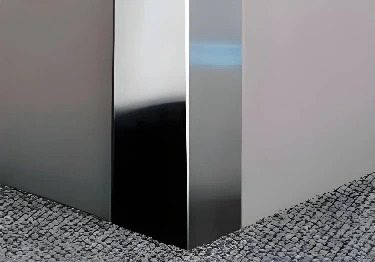
Stainless Steel Corner Guards
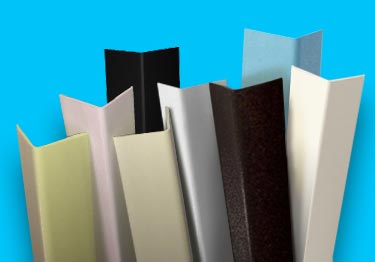
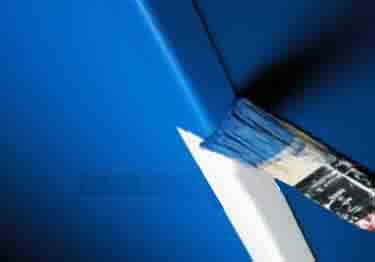
Corner Guards Plastic | Paintable
Best for Matching an existing wall color exactly
Clear vs. Colored Corner Guards
Clear corner guards excel at blending into their surroundings, maintaining the original aesthetics of a space. They are less noticeable, ideal for preserving the look of walls or wallpaper. While they protect against scratches and minor impacts, the primary advantage of installing clear corner guards is their ability to remain discreet, suitable for areas with moderate activity. Where the wall behind matters most, our guide to clear polycarbonate corner guards on wallpapered walls goes through sizing and cutting.
Colored corner guards, conversely, provide both protection and aesthetic enhancement. Available in various colors, they can either match or contrast with existing wall colors, effectively serving as design elements. Beyond wall protection, these guards use color coding to facilitate navigation and access control, adding functional value through visual cues.
Paintable vs Non-Paintable Corner Guards
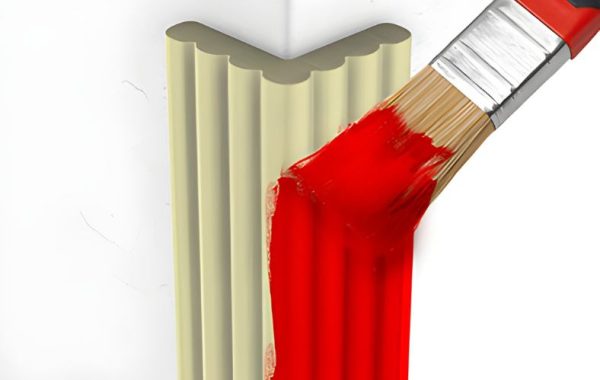
Paintable corner guards are a versatile choice for those who want a seamless integration with their existing wall colors or designs. Made typically from materials like bare metal, wood, or certain plastics that accept paint, these guards can be coated to match any color scheme, making them almost invisible against the walls. Non-paintable corner guards, on the other hand, are ready to use and also come in a variety of pre-finished colors and materials. These types of guards are ideal for areas where durability and ease of maintenance are more important than a perfect visual match. For example, stainless steel and rubber corner guards do not require painting and are designed for long-term durability with minimal upkeep.
Getting a paint match to hold takes some preparation. See priming and painting a paintable profile for the sequence.
Commercial vs Residential Corner Guards
Choosing the right wall corner guards starts with grade, and grade is decided by how often a corner actually gets hit rather than by whether the building is a business or a house. The two grades are built differently, and the difference is visible once you look at how they mount.
Commercial grade
A high impact commercial guard is an assembly rather than a single piece. A heavy duty aluminum retainer mounts directly to the drywall corner, a plastic cover snaps over the retainer, and matching end caps finish the top and bottom. The cover can be replaced after a bad impact without touching the retainer, which is the whole point in a building that takes daily abuse. These are what you find in healthcare facilities, schools, and public buildings, and they come in enough colors and sizes to disappear into an interior design package.
If you are matching an existing specification across a portfolio, the CS Acrovyn, InPro and Korogard are the top corner guard lines you will encounter most often.
Residential grade
A residential guard is a one piece profile mounted directly to the wall surface. There is no retainer and no cover to replace, which makes it cheaper and quicker to install, and it comes in more sizes and more mounting options: double sided tape, pre drilled holes and screws, or construction adhesive. If a building has a lot of corners that get bumped occasionally rather than a few that get hit constantly, this is the sensible choice.
The idea that they belong only in commercial buildings
Corner guards became common in hospitals, offices and schools first, and the association stuck. It was never accurate. Hallways and playrooms in a house take the same kind of wear from furniture, vacuums and children that a corridor takes from carts, and residential profiles exist precisely because that wear is real but lighter. The choice is a grade decision, not a building type decision.
The mistake worth avoiding is buying on price and skipping the retainer. A one piece guard is right for a hallway in a house. In a hospital corridor it will be replaced twice before an aluminum retainer with a snap on cover needs its first new cover.
Where Corner Guards Earn Their Keep in a Home
Two arguments for guards in a house have nothing to do with protecting drywall.
The first is safety. A hard corner at chest height for a toddler or hip height for someone using a walker is a hazard before it is a maintenance problem. Rubber profiles put a cushioned edge where a sharp one was, which is why they turn up in playrooms and in homes with older residents far more often than the impact rating alone would explain.
The second is resale and rental appeal. Corners are one of the first things that read as neglected in a walkthrough, and they are expensive to make right once they are chipped. On rental property in particular, an aluminum profile in a hallway reads as maintained rather than as a repair, and it survives tenant turnover in a way that patched drywall does not.
If a corner is already damaged, deal with that first. Our guide to repairing a damaged wall corner before you protect it covers the patching sequence, and a guard over a properly repaired corner is what stops the cycle repeating.
Using Corner Guards Horizontally on Sills and Ledges
The same L shaped profile that protects a vertical corner works lying down. Mounted along a window sill or a low ledge, it takes the cart impacts, backpack scuffs and water damage that make sills the second most abused surface in a busy building after the corners themselves.
Stainless steel is the standard for this in commercial settings. It survives daily contact, resists rust where condensation collects on a sill, and wipes down to a hygienic surface for healthcare, food service and lab spaces. In warehouses, where the threat is a forklift or a pallet jack rather than a hand cart, a thicker gauge is worth the cost. For a house, a clear vinyl or polycarbonate profile protects a painted or stained wood sill without hiding it.
Mounting follows the same logic as a vertical install, adhesive for finished interiors and mechanical fastening where traffic is constant. The adhesive backed against screw mounted comparison goes through both in detail. One detail specific to sills: use countersunk holes and flat head screws so the finished surface stays flush and nothing catches on it.
Maintenance is close to nothing. Mild soap and water keeps stainless looking right, and standard disinfectants are fine in healthcare and food preparation areas. Avoid abrasive cleaners, which will mar a brushed finish permanently.
How to Choose the Right Corner Guard
It is important to consider both the type of surface and the level of impact it will face. Different materials are better suited for different surfaces, such as drywall, brick, or wood, and the cleanliness of the surface is crucial for proper adhesion. If the corner is in a high-traffic area, you might need a more durable material that can handle repeated impacts from objects like carts or wheelchairs. This ensures that not only are your walls protected, but also your customers, employees, and guests are safe from sharp corners.
Installation method is another crucial factor, some corner guards require drilling and screws for a secure fit, while others use adhesive backing for a quicker application. Be sure to follow manufacturer recommendations to ensure a long-lasting and effective installation.
Aesthetic considerations and cost are also key factors in choosing corner guards. They come in various materials and colors, allowing you to match them with the existing decor without making them look out of place. Whether you are looking for something that blends in or stands out, there is a range of options to suit every taste and budget. This flexibility means you can protect your space effectively while keeping it looking great.
From ground-up construction to the matching of color templates for inner-office design, the practical uses of wall corner guards have met or exceeded the demands of a carpenter level to the corporate level, and all those in between. A functional design to maintain the original edge of any corner or end-wall application, the wall corner guard provides the protection and durability as no other product found on the market can provide.
Height is the last decision and the easiest to get wrong on cost. The 4 foot and 8 foot corner guard heights guide explains why cutting down a standard length almost always beats ordering a custom one.
Maximizing ROI with Corner Guards
Investing in wall corner guards can significantly reduce long-term repair costs. By preventing damage in high-traffic areas, they ensure walls stay in top condition. In commercial buildings, regularly damaged walls can lead to thousands of dollars in maintenance costs annually, making corner guards a cost-effective preventative measure.
For the arithmetic on a specific building, see the cost of guards against repeated drywall repairs.
Do You Still Need Guards If You Are Careful?
This is the most common objection and the least reliable. Careful buildings still get damaged, because most corner damage is not caused by carelessness. It is caused by furniture being moved, by vacuums and floor scrubbers running the perimeter, by pets, and by the cleaning itself. None of those are avoidable through attention. A guard is not a response to a careless occupant, it is a response to normal use, and it converts an unpredictable repair cost into a one time material cost.
Frequently Asked Questions
Are corner guards safe for households with children?
Yes, and they are often installed for that reason rather than for wall protection. Rubber and flexible vinyl profiles cover a sharp drywall edge with a cushioned one, which reduces the risk of cuts and bruises in rooms where children are learning to walk or playing.
Do corner guards look industrial?
Not any more. Clear profiles are close to invisible, paintable profiles take the wall color exactly, and metal is available in brushed, polished and powder coated finishes in over thirty colors. The bulky industrial look belongs to a generation of product that is no longer what most buildings install.
Do corner guards actually save money?
In any building where the same corners are repaired more than once, yes. A drywall corner repair involves patching, sanding, priming and painting, and it recurs on the same schedule as the traffic that caused it. A guard is a single material cost that ends the cycle.
Where should horizontal corner guards be used?
On window sills and low ledges in hospitals, schools, warehouses and retail corridors, and anywhere a cart, a backpack or a pallet jack passes close to a sill.
How are corner guards mounted on a window sill?
Either with high bond adhesive tape for a finished interior, or with countersunk screws where traffic is constant. Flat head screws keep the surface flush so nothing snags.
Can commercial grade corner guards be used in a house?
They can, and occasionally they should, on a mudroom corner or a garage entry that takes real abuse. In most rooms the retainer and cover assembly is more product than the traffic justifies, and a one piece residential profile does the job for less.
What height corner guard do I need?
Four foot covers the impact zone in most rooms. Eight foot is standard where carts and equipment run the full corridor, and is normal in hospitals and industrial buildings. Anything between is cut from a standard length.
What matters most when choosing the right wall corner guards?
Traffic level, in almost every case. It decides the material and the grade, and those two decisions drive the cost. Appearance and mounting method follow from there, and height is the last thing to settle.
Can corner guards be installed over a damaged corner?
Only after the corner is repaired. A guard mounted over a crushed or cracked bead will not sit straight, and adhesive will not hold reliably to a loose surface. Patch, prime, then protect.
Not sure which grade or material fits your building? Talk to a Koffler specialist and we will help with choosing the right wall corner guards for your traffic, your surfaces and your budget.