
 Posted by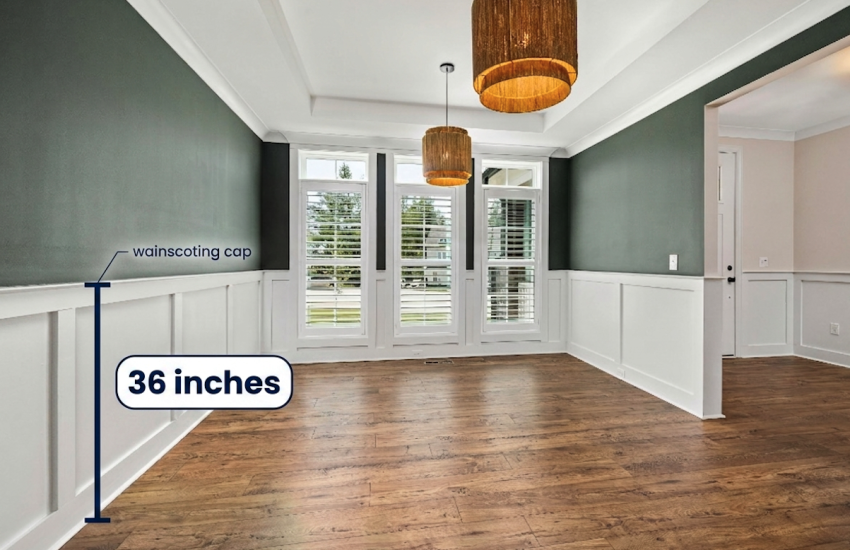
Picking the right wainscoting height can make or break your room. Go too high, and your ceilings shrink. Go too low, and your panels look like an oversized baseboard. Yet most homeowners install it at the wrong height because they trust gut instinct over proven design rules.
This wainscoting height guide walks you through the math, the materials, and the moves the pros use. We’ll cover standard heights, room-by-room recommendations, and a few insider tips you won’t find in a typical big-box DIY post. By the end, you’ll know exactly where to mark that level line.
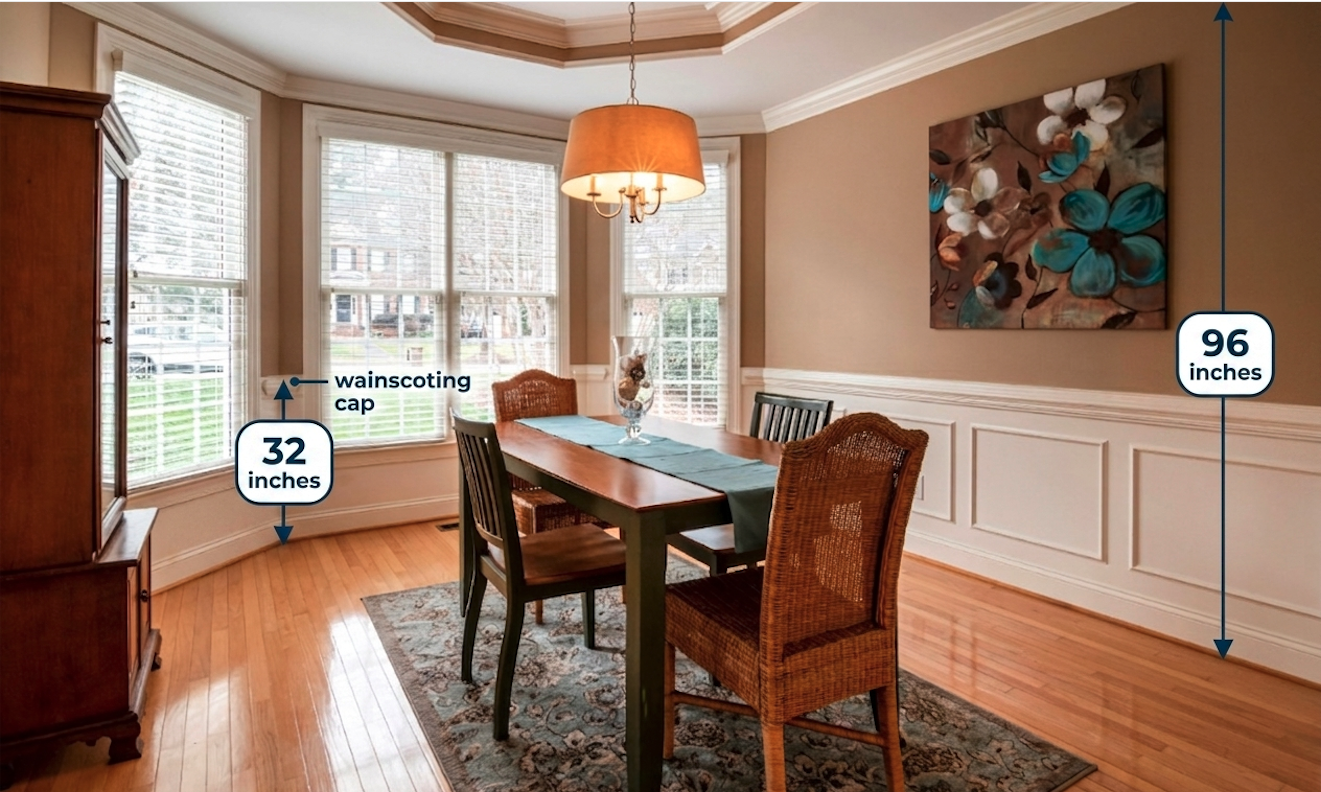
Quick Answer: For most rooms with 8-foot ceilings, install wainscoting between 32 and 36 inches off the floor. That follows the classic “rule of thirds” and works in nearly every space.
What Is Wainscoting and Why Height Matters So Much
Wainscoting is decorative paneling that covers the lower part of a wall. It started centuries ago as a way to insulate cold rooms and protect plaster from moisture. Today, people still love it for its charm, and it shields drywall from chairs, carts, kids, and pets.
Height matters because wainscoting changes how big a room feels. The right height anchors furniture and draws the eye in a pleasing way. The wrong height chops your wall in half and makes the ceiling feel low.
So before you reach for a hammer, you need a plan. Let’s start with the rule that designers swear by.
If you want a deeper background on related wall trim, our chair rail molding height guide covers similar ground for a related product.
The Rule of Thirds: The Foundation of Every Wainscoting Decision
Designers and architects rely on one simple math rule. They call it the rule of thirds. It says wainscoting should cover roughly the bottom third of your wall.
Here’s why it works. The human eye finds uneven divisions more pleasing than even ones. Splitting a wall right down the middle feels static and boring. Splitting it into thirds creates rhythm and movement.
So if your ceiling sits 8 feet (96 inches) above the floor, divide that by three. You get 32 inches. That’s your starting point. From there, you can shift up or down a few inches to fit your room.
Pro tip: When measuring for the rule of thirds, include your baseboard and any crown molding in the total wall height. The math should reflect what your eye actually sees from floor to ceiling.
The One Thing You Must Never Do
There’s one rule every designer agrees on. Never install wainscoting halfway up your wall. A 48-inch line on a 96-inch wall creates an awkward break that visually severs the room.
Stick with the lower third for a classic look. Or go bold with two-thirds for drama. Just skip the middle.
Standard Wainscoting Heights by Ceiling Height
Your ceiling height drives most of the math. Use this table as a starting point, then adjust based on your furniture and windows.
| Ceiling Height | Recommended Wainscoting Height | Style Notes |
|---|---|---|
| 7 feet (84 inches) | 28 inches | Lower height keeps the ceiling feeling tall |
| 8 feet (96 inches) | 32 to 36 inches | The most common setup; fits chair rail tradition |
| 9 feet (108 inches) | 36 to 42 inches | Slightly taller to balance the extra wall space |
| 10 feet (120 inches) | 40 to 48 inches | Add visual weight without overpowering the room |
| 12+ feet (144+ inches) | 48 to 60 inches | Tall rooms need bold proportions to feel balanced |
For ceilings under 8 feet, scale down to 28 to 30 inches. This keeps the upper wall open and helps the room breathe. For lofted ceilings above 12 feet, you can even try the two-thirds approach for a dramatic, manor-house feel.
Wainscoting Height by Room
Different rooms call for different approaches. A bathroom has fixtures and splash zones to think about. A dining room has chair backs. A foyer might want extra drama.
Bathroom Wainscoting Height
Bathrooms are the most popular spot for wainscoting. They also have the most rules. Vanities, tubs, and toilets all affect where your panels should stop.
For most bathrooms, install wainscoting at 36 to 42 inches. This sits just above the average vanity (32 to 36 inches) and protects walls from splashes. Installing the wainscoting at a height that is below the average splash zone, which is typically around three feet from the floor, will help prevent water damage.
Going higher? Try 48 inches around tubs to handle splash zones. For showers, take it floor-to-ceiling for full water protection. Just pair it with moisture-resistant materials like PVC, ceramic tile, or rigid vinyl.
For high-moisture commercial bathrooms, our rigid vinyl sheets and strips work beautifully as wainscoting. They resist water, scrubbing, and impact, plus you get over 60 color options.
Dining Room Wainscoting Height
Dining rooms have a built-in helper: the chair back. Match your wainscoting height to where dining chairs hit the wall, usually 32 to 36 inches. This protects your paint from scuffs and scrapes.
If you have tall ceilings (10 feet or more), bump the height up to 42 inches. The taller proportions match the grander space.
Living Room and Family Room Wainscoting
Living rooms are flexible because they don’t have plumbing or fixed fixtures. Stick with the rule of thirds for a classic look. For 8-foot ceilings, that’s 32 to 36 inches.
If you have wingback chairs or a sofa with a tall back, consider going higher. A two-thirds wainscoting at 64 inches frames furniture beautifully and adds drama.
Bedroom Wainscoting Height
Bedrooms feel cozy with wainscoting at the standard 32 to 36 inches. For master bedrooms with tall ceilings, push it to 48 inches to balance the space.
In nurseries and kids’ rooms, beadboard wainscoting at 40 to 48 inches doubles as wall protection. Crayon attacks, anyone?
Foyer and Hallway Wainscoting Height
Foyers and hallways often see the most traffic. They need both style and durability. Install wainscoting at 36 to 42 inches to handle bumps from luggage, backpacks, and pets.
For commercial corridors, healthcare facilities, or schools, our InPro Palladium wall panels deliver heavy-duty wainscoting that takes a beating. They resist impact, clean easily, and come in colors that match any decor.
Wainscoting Height by Style
The style of wainscoting also affects the right height. Heavier styles look better taller. Lighter styles work best lower.
Beadboard Wainscoting Height
Beadboard is the lightest style. Its narrow vertical planks make rooms feel taller. Install it at the traditional 32 to 42 inches for the cottage look most homeowners want.
Board and Batten Wainscoting Height
Board and batten has more visual weight than beadboard. It looks great taller, often around 48 to 60 inches. The bold proportions work especially well in entryways, mudrooms, and powder rooms.
Raised Panel Wainscoting Height
Raised panels are the most formal style. They suit traditional and classical homes. Install them at 32 to 36 inches for a balanced look on standard ceilings, or push to 48 inches for grand spaces.
Picture Frame (Shadow Box) Wainscoting Height
Picture frame wainscoting uses trim applied directly to drywall. It’s the most flexible style for height. Stick with the rule of thirds, but make sure each frame box has consistent proportions.
Comparison Table: Quick Wainscoting Height Reference
Here’s a side-by-side comparison to help you decide fast:
| Room | 8-ft Ceiling | 9-ft Ceiling | 10-ft+ Ceiling | Best Style |
|---|---|---|---|---|
| Bathroom | 36 inches | 36-42 inches | 48 inches | Beadboard, tile, PVC |
| Dining Room | 32-36 inches | 36-42 inches | 48 inches | Raised panel, board and batten |
| Living Room | 32 inches | 36 inches | 42-48 inches | Raised panel, picture frame |
| Bedroom | 32 inches | 36 inches | 48 inches | Beadboard, picture frame |
| Foyer/Hallway | 36 inches | 42 inches | 54 inches | Board and batten, raised panel |
| Kitchen | 36-40 inches | 40-48 inches | 54 inches | Beadboard, tile |
Get The Inside Scoop: Wainscoting Pro Tips
After helping thousands of customers with wall projects for over 50 years, we’ve heard every wainscoting question. Here are the insider tips that save real money and headaches.
1. Mock It Up With Painter’s Tape First
Before you cut a single panel, run blue painter’s tape around the room at your planned height. Live with it for a day or two. Walk in from different angles. Sit on your couch and look up. Stand at the door and look across.
This trick is free, takes 10 minutes, and saves expensive mistakes. You’ll know right away if 32 inches feels too short or 36 inches feels too tall.
2. Align With Existing Architecture
The cleanest wainscoting installs line up with something else in the room. Window sills, fireplace mantels, and countertop edges all work great as visual anchors.
If your window sill sits at 34 inches, run your wainscoting cap at the same height. The eye flows smoothly from one element to the next. The result feels intentional, not random.
3. Watch Out for Outlets and Switches
Outlets at 12 to 16 inches off the floor will sit smack in the middle of your wainscoting. You’ll need to cut around them, then add box extenders to compensate for the panel thickness.
Plan for this before you buy materials. Box extenders cost a few bucks each, but you’ll need one for every outlet and switch your panel’s cover.
4. Don’t Forget Your Baseboard in the Math
Most wainscoting heights people quote include the baseboard. So if a guide says “install at 32 inches,” that’s measured from the floor, not from the top of your baseboard.
This trips up DIYers all the time. They install panels too tall because they measured from the wrong starting point. Always measure from the finished floor.
5. Higher Wainscoting Needs a Bigger Baseboard
Here’s a proportion rule most posts skip. As your wainscoting gets taller, your baseboard should get bigger too. A standard 4-inch baseboard looks puny under a 60-inch wainscoting.
For tall wainscoting, bump your baseboard up to 5 or 6 inches. The visual weight will feel right.
6. Pick Materials Based on Use, Not Just Looks
Wood looks beautiful but warps in damp rooms. PVC and rigid vinyl resist moisture but cost less than tile. Metal sheets handle heavy abuse in commercial spaces.
Match your material to the job. For high-traffic commercial spaces, browse our decorative wall panels collection for tough options that still look great.
7. Pair Wainscoting With Wall Protection
If you want decorative style plus serious protection, install a chair rail or crash rail along the top of your wainscoting. This creates a finished cap and adds another layer of defense against bumps.
Our chair rail molding and diamond plate chair rail options finish the look while protecting the most vulnerable spot.
Common Wainscoting Height Mistakes to Avoid
Watch out for these slip-ups. They’re the ones we see most often.
Installing at the halfway point. As we mentioned above, splitting your wall in half creates an awkward visual break. Stick with thirds.
Going too tall in low-ceiling rooms. A 48-inch wainscoting in a room with 7-foot ceilings makes the space feel cramped and oppressive. Scale down to 28 inches instead.
Ignoring window sills. If your wainscoting cap lands just above or below your window sill, the result looks chaotic. Either match the heights or leave plenty of space between them.
Using the wrong material in wet rooms. Real wood beadboard in a steamy bathroom will warp within a year. Use moisture-resistant options like PVC, tile, or vinyl instead.
Skipping the mock-up. Tape it up first. Always. This single step prevents most regrets.
Frequently Asked Questions
How tall should wainscoting be in a room with 8-foot ceilings?
For most rooms with 8-foot ceilings, install wainscoting at 32 to 36 inches off the floor. This follows the rule of thirds and works for living rooms, dining rooms, and bedrooms.
What is the standard height for bathroom wainscoting?
Standard bathroom wainscoting sits at 36 to 42 inches. This height clears most vanities and protects walls from splashes. For taller protection around tubs, go up to 48 inches.
Should wainscoting match the chair rail height?
Yes, in most cases. The cap of your wainscoting often serves as the chair rail itself. Install it where standard chair backs would hit the wall, usually 32 to 36 inches off the floor.
Can I install wainscoting on only one wall?
Absolutely. Single-wall wainscoting works great as a feature wall behind a bed, dining table, or fireplace. Just keep the height consistent with what you’d use for the whole room.
How high should wainscoting be in a foyer or entryway?
Foyers benefit from slightly taller wainscoting at 36 to 42 inches. This handles heavy traffic from luggage, backpacks, and visitors. For grand foyers with tall ceilings, push it up to 48 to 54 inches.
Is wainscoting still in style in 2026?
Wainscoting has stayed in style for over 400 years. While trends shift between specific styles (like beadboard versus picture frame), the basic concept never goes out of fashion. It adds character, protection, and resale value to any home.
What’s the cheapest way to add wainscoting?
Picture frame wainscoting is the most budget-friendly. You apply pre-made trim directly to your existing drywall in rectangular boxes, then paint everything the same color. Total cost can run as low as $1 to $3 per square foot.
Get the Height Right the First Time
Wainscoting is one of the highest-impact upgrades you can make to a room. Get the height right, and your space feels balanced, charming, and polished. Get it wrong, and you’ll regret every panel.
The rule of thirds will guide you 90% of the way. From there, mock it up with tape, align with existing architecture, and pick materials that fit the room’s job. That’s the recipe.
Ready to start your project? Browse our full collection of wall protection products and decorative wall panels to find the perfect match for your wainscoting plans.