
 Posted by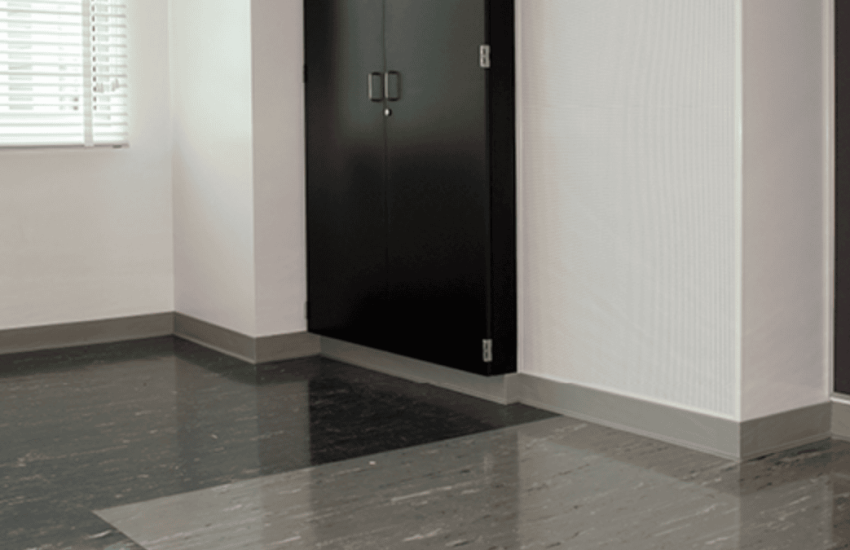
Choosing the right wall base might feel like a finishing touch, but it has a major impact on your room’s durability and design. The material you choose should align with your flooring type, traffic levels, and exposure to moisture. Choose poorly, and you may deal with early wear, cleaning difficulties, or higher replacement costs down the line.
At Koffler Sales, we specialize in helping customers find wall base options that meet their unique needs. In this article, we break down what works best by flooring category, with recommendations to help you make an informed, confident choice.
Whether you’re upgrading a commercial hallway or remodeling a residential room, Koffler’s wide selection—ranging from rubber to vinyl—offers options that match virtually any flooring type and performance need. You can explore our full range of wall base here.
Key Takeaways
-
- Match wall base material to flooring type—hardwood, vinyl, tile, or carpet all have different needs.
- Rubber is best for commercial vinyl and high traffic areas. It’s durable, flexible, and easy to maintain—ideal for schools, hospitals, and busy hallways.
- Wood and tall vinyl base suit hardwood floors; they add warmth and elegance in residential settings. Avoid rubber or cove base for this flooring type.
- Carpeted rooms tend to need straight base styles. Use vinyl or rubber straight base for a snug fit that won’t catch carpet pile.
The Best Wall Base for Hardwood or Engineered Wood Floors
Recommended Material: Wood Baseboards or High-End Vinyl Alternatives
Design Considerations: Wood flooring benefits from equally refined trim. Wood wall base offers a cohesive, upscale finish that matches the grain, tone, and warmth of hardwood floors.
However, if you’re looking for a lower-maintenance alternative, tall-profile vinyl baseboards in white or neutral tones can simulate the appearance of painted wood and pair well with base shoe molding.
Top Pick: Try the Mannington Vinyl Wall Base for a clean, matte finish that works with both solid and engineered hardwood. It’s ideal for residential living rooms, dining areas, and bedrooms.
Avoid: Rubber or cove base options—they can contrast too sharply with the natural look and are better suited for commercial or utilitarian spaces.
The Best Wall Base for Commercial Vinyl Flooring
Recommended Material: Rubber Wall Base
Design Considerations: Vinyl sheet and LVT (luxury vinyl tile/plank) are common in commercial environments due to their resilience. For high-traffic spaces like healthcare facilities, offices, or hallways, rubber base provides superior impact resistance and durability.
Top Pick: The Rubber Wall Base by Armstrong is a go-to for commercial vinyl settings. Available in multiple heights and colors as well as in a cove base, it delivers both form and function.
Avoid: Wood base in any commercial vinyl setting—it lacks durability and moisture resistance.
The Best Wall Base for Tile or Laminate Flooring
Recommended Material: Vinyl Wall Base Base
Design Considerations: Ceramic, porcelain tile, and laminate floors often feature a sleek or modern look. A minimal vinyl wall base complements the clean lines without competing with the surface pattern.
In kitchens, bathrooms, or basements, moisture resistance is a must—so stick to waterproof base materials. For laminate floors in dry residential areas, a decorative thermoplastic base in a coordinating color can add a modern edge.
Top Pick: Check out the Johnsonite Tarkett Vinyl Wall Base for a cost-effective, easy-to-install solution. It pairs especially well with tile and laminate in both residential and light commercial spaces.
Avoid: Wood baseboards in wet or tiled areas—moisture can cause warping and rot.
The Best Wall Base for Carpeted Floors
Recommended Material: Vinyl or Rubber Straight Base
Design Considerations: Carpeted floors benefit from a straight (non-cove) wall base that won’t interfere with pile height. A flexible rubber base will flex over uneven surfaces and deliver a snug fit along the edges.
Top Pick: The Johnsonite Tarkett Tightlock Rubber Wall Base, with its clean, straight profile, works well for carpeted offices, hallways, and meeting rooms. Durable and professional-looking, it’s available in over 125 colors and scuff and scratch resistant.
Avoid: Cove-style base, which doesn’t sit flat over carpet and can create awkward gaps.
Debating between vinyl and rubber? You can read more about vinyl versus rubber wall base here.
Your Guide to Matching Base by Flooring Type
| Flooring Type | Recommended Wall Base Material | Best For |
| Hardwood/Engineered Wood | Wood or Tall-Profile Vinyl | Residential spaces, formal rooms |
| Commercial Vinyl/LVT | Rubber Cove Base | Hospitals, offices, retail environments |
| Tile or Laminate | Vinyl | Kitchens, baths, basements |
| Carpet | Straight Rubber or Vinyl | Offices, bedrooms, carpeted hallways |
For more information about choosing the perfect wall base for your room, check out our comprehensive Wall Base Buyer’s Guide: 10 Tips for Choosing the Perfect Baseboard.
Considering Durability, Maintenance, and Cost
Choosing the right wall base affects more than just the look of your room; it also affects long-term maintenance and costs. Wood, while attractive in that it provides warmth and charm, may warp or require repainting over time, adding to upkeep expenses. A wood baseboard for flooring also isn’t ideal for humid environments.
Rubber baseboards cost more initially but offer superior durability and resistance to cracking in high-impact and high-traffic areas. Vinyl wall base is easier on the budget and perform adequately in low-traffic, dry areas. For example, vinyl may be perfect for a home office or bedroom, while a school hallway benefits from rubber.
Choosing the right wall base types and materials will help balance the look of a room with overall return on investment. Find out more about how to find the right wall base type that fits your budget and long-term goals with this comprehensive guide to maximizing ROI with wall base installation, particularly for commercial spaces.
Installation Factors That May Influence Your Choice
Before deciding on floor trim types, it is important to consider who will install the wall base and how easy the process will be. Rubber base usually requires strong adhesive and professional tools, which adds to labor costs. Vinyl, especially peel-and-stick varieties, can be installed by homeowners with minimal tools.
Wall texture, floor height, and subfloor condition can all affect how well a base adheres. Cove-style base, with their curved lower edges, is commonly used in high-traffic commercial and healthcare settings due to their ability to block moisture and simplify cleaning.
Matching Wall Base Styles with Residential and Commercial Interiors
The wall base should complement the room’s overall look. In modern offices or retail stores, matte-finished rubber in neutral tones delivers a sleek and unobtrusive profile. In traditional homes, tall white vinyl baseboards match well with crown molding and other trim.
Decorative thermoplastic base in various colors allows designers to add flair to spaces like boutiques or cafes without compromising durability. Always think about how the material, color, and height work with both the floor and wall finishes.
Common Mistakes to Avoid When Selecting Wall Base
One frequent mistake is treating all wall base materials as interchangeable. For example, using wood in a damp basement or soft vinyl in a busy hallway can lead to rapid damage. Buyers often forget to check a wall base’s compatibility with wall textures or floor finishes, or ignore installation constraints, leading to peeling or gapping.
Another common mistake is neglecting the height of a wall base. A base that’s too short may expose unfinished wall areas or result in unfinished-looking edges. Avoid these pitfalls by evaluating your space’s specific needs and checking material compatibility.
Let Your Flooring Guide the Wall Base
The best choice of wall base always starts with the flooring beneath it. When in doubt, consider how the space is going to be used—moisture, traffic, and aesthetics all play a role. Choosing the right material and profile means less hassle down the road and a more polished final result.
The right wall base does far more than protect your walls—it enhances the space’s appearance and long-term durability. Ready to match your floor with the perfect base? Browse Koffler’s complete wall base selection now.
Frequently Asked Questions
What is the best wall base for tile floors?
Rubber and vinyl wall base work well for tile floors, because they’re moisture-resistant and easy to install.
Can I use wood baseboards in a commercial setting?
Wood baseboards aren’t highly recommended for commercial use due to its lower durability and poor moisture resistance.
How do I know what height wall base to choose?
Choosing the right height for your wall base depends on wall damage risk and visual preference. Four inches is a common, versatile choice.
Is peel-and-stick vinyl wall base durable enough?
Yes, peel-and-stick vinyl wall base is often durable enough for light-use residential areas. However, in damp or high-traffic spaces, adhesive-backed vinyl may not hold up as well.
Does wall base color matter for design?
Wall base color most definitely matters for design. The right color ties the room together—darker tones conceal wear, while lighter shades can make a space feel larger.