
 Posted by
When you’re finishing a job, whether it’s new construction or a remodel, installing a wall base is usually going to be one of the final steps. A good wall base is not only a simple detail that can make a space look clean and finished, but it can also protect the bottom of a wall from getting beat up by chairs, vacuums, mops, carts, and daily foot traffic.
The two most common materials for wall base on the market today are vinyl and rubber, each having their own strengths and weaknesses. When asking yourself if a rubber or vinyl wall base will best fit your project, the best choice depends on the kind of job you’re doing, the traffic the space will see, your budget, and the desired look and durability.
Vinyl wall base is a cost-effective, flexible material commonly found in commercial and residential spaces. It is known for its ease of installation and resistance to moisture.
Rubber wall base, on the other hand, is considered a premium option, offering superior durability, enhanced aesthetic appeal, and better impact resistance. While both materials serve similar functions, their performance characteristics can vary significantly based on the specific needs of your project. New to the category? Start with the fundamentals in what wall base is and why you need it.
Material Composition and Durability
Vinyl Wall Base Composition
Vinyl wall bases are made from a type of plastic, polyvinyl chloride (PVC). It’s a flexible, soft, and lightweight synthetic plastic polymer. You’ll find it in homes, apartments, office spaces, and even some light commercial jobs.
Vinyl is easy to install, doesn’t cost much, and can be installed using glue or nails depending on what the job calls for. It can be cut with a utility knife and installed quickly. Vinyl works best in spots like bathrooms, kitchen, or laundry rooms where you might experience moisture.
However, vinyl doesn’t hold up as long as rubber does. It is not as durable as rubber and may become brittle over time, especially in areas with a lot of changes in temperature, like entryways or sunrooms. This means that the wall base may crack, chip, or start pulling away from the wall. This can be fine for low-traffic areas, but in higher-traffic areas in which it might be bumped frequently, you’ll be back to replace it sooner than you might like.
Rubber Wall Base Composition
Rubber wall bases are made from natural or synthetic rubber. It’s a much tougher material in general, thicker, heavier, and more impact-resistant than vinyl. Rubber also stays flexible over time and doesn’t dry out or crack like vinyl can. You’ll see rubber wall base most often used in schools, hospitals, commercial buildings, fitness centers, or other areas that experience heavy foot traffic and equipment movement.
Rubber can be a little harder to install than vinyl. It takes a stronger adhesive and doesn’t bend or shape as easily as vinyl can. However, once it is installed, you won’t have to worry about it moving or loosening. You may need a heat gun to soften it for corners, or to deal with awkward cuts or angles, but the result will be a clean, tight finish.
Durability Comparison between Rubber and Vinyl Wall Base
In a contest of durability, rubber wins. Rubber is made for heavy use. It can take years of heavy bumps, dents, scuffs, and scratches, and still look great. Once it’s installed, you usually don’t have to touch it again.
Vinyl can still be a good choice in the right space, but it simply doesn’t have the same lifespan. After a few years, especially in high-use areas, it might start cracking or peeling. If you’re doing a job that requires a long-term solution or your client prefers to not worry about maintenance, rubber is the better option.
Aesthetic and Design Options
Vinyl Wall Base Aesthetic
Vinyl wall base options come in a wide range of colors and styles, making it easy to match different interior designs. Many manufacturers offer pre-colored vinyl bases that can blend seamlessly with various flooring and wall colors.
However, vinyl typically has a slightly shinier finish, which may not be ideal for all design preferences. Vinyl wall base are often available in standard profiles and limited textures, which may restrict creative design choices.
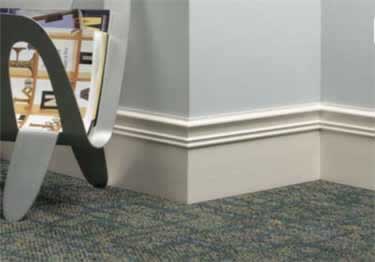
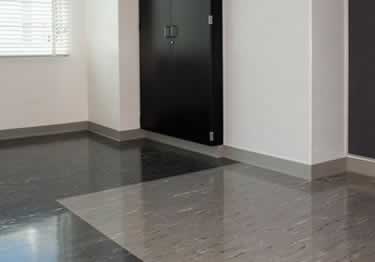
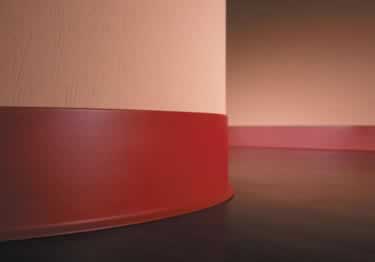
Rubber Wall Base Aesthetic
Rubber wall base offer a more matte and refined appearance, making them a preferred choice for premium commercial spaces. They are available in a variety of colors and textures, some of which can mimic the look of natural materials.
Rubber also allows for custom color matching, making it an excellent option for businesses and institutions that require specific branding or design cohesion. Rubber wall base can be manufactured with different patterns and finishes, including smooth, ribbed, or sculpted profiles, providing greater design versatility.
Check out these rubber wall base options from top brands:
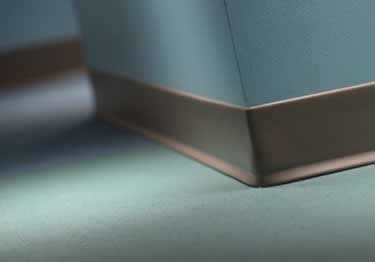
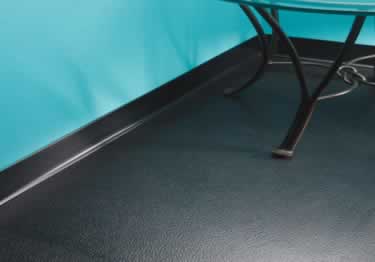
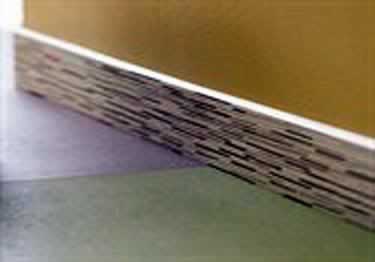
Design Versatility
While both vinyl and rubber wall base offer various aesthetic options, rubber provides a more sophisticated and high-end appearance. However, for your budget-conscious projects that still require design flexibility, vinyl remains a viable alternative. If you find aesthetics and customization a priority, rubber wall base offer superior design potential, especially in environments where interior aesthetics play a crucial role, such as hotels, offices, and high-end retail stores. Comparing manufacturers? See how the top wall base brands stack up on color, profiles, and warranty.
Installation Process and Maintenance
A video is worth a million words in this case. Check out this great YouTube video by Flooring Cheat Code.
Baseboard Installation Ease
Vinyl wall base is lightweight and flexible, making it easier to cut and install. It can be applied using either adhesive or mechanical fasteners, depending on your project requirements. Rubber, while more durable, is heavier and requires more effort to install. It typically requires specialized adhesives to ensure a secure and long-lasting bond. To sidestep the errors that cause peeling and gaps, review these common wall base installation mistakes.
Maintenance Requirements
Maintenance is another critical factor to consider. Vinyl wall base is relatively easy to clean but may become discolored over time. Regular dusting and mopping with mild cleaners can help maintain its appearance. Rubber, due to its durability, requires less frequent maintenance and is more resistant to scuff marks and stains. For a full routine by material, see how to clean baseboards the right way.
Repair Considerations
In the event of damage, a vinyl wall base may need to be completely replaced as it is more prone to cracking. Rubber, being more resilient, can often withstand minor impacts without requiring replacement. For environments where long-term maintenance costs are a concern, rubber may offer a better value despite its higher initial investment.
Cost Comparison and Long-Term Value
Vinyl wall base is generally more affordable than rubber, making it a popular choice for budget-conscious projects. Its lower upfront cost makes it accessible for both residential and commercial applications. A typical vinyl wall base can cost anywhere from $0.50 to $2.00 per linear foot, depending on the brand, thickness, and design. Not sure which height to spec? The wall base size guide breaks down standard heights and thicknesses.
While rubber wall base comes with a higher initial price tag (ranging from $2.00 to $5.00 per linear foot), its longevity and durability can make it a more cost-effective choice in the long run. Rubber’s resistance to wear means fewer replacements and repairs, which can save you money over time. Rubber’s ability to withstand impact and maintain its appearance without fading or becoming brittle means that you can avoid the recurring expenses associated with replacing worn-out vinyl bases.
Value Considerations
When choosing between a vinyl or rubber wall base, it’s essential to consider both the initial investment and the long-term costs. For short-term projects or those with tight budgets, vinyl may be the best option. However, for environments that require a long-lasting and durable solution, rubber is often the better financial choice.
Although vinyl is cheaper upfront, its shorter lifespan means that it may need to be replaced multiple times over the life of a building. In high-traffic areas, vinyl wall bases may begin to show signs of wear within a few years, requiring maintenance or replacement.
Rubber, on the other hand, can last for decades with minimal maintenance, providing a better return on investment over time. Additionally, because rubber is more resistant to damage and scuff marks, it contributes to lower upkeep costs, making it a more attractive option for businesses looking to minimize long-term expenditures. For the full breakdown of those maintenance savings, see the cost and labor payback of wall base installation.
For a more comprehensive understanding of the wall base options that will be best for your space, check out our guide to choosing the right wall base for your flooring.
Residential Use: Choose Vinyl Wall Base
Vinyl wall base is a practical option for homes, especially in areas where heavy foot traffic is not a concern. It works well in living rooms, bedrooms, and home offices where budget and aesthetics are primary considerations. Rubber is less common in residential settings but can be beneficial in basements, laundry rooms, and mudrooms where moisture resistance and durability are needed.
Commercial Use: Both Options Work
Rubber wall base is the preferred choice for commercial spaces, hospitals, schools, and other high-traffic environments. Its durability and resistance to damage make it ideal for spaces that experience constant movement and activity. These same environments often feature VCT flooring due to its proven durability and easy tile replacement.
Offices, shopping malls, and hotels benefit from rubber’s ability to maintain a polished look despite heavy use, while healthcare and educational facilities appreciate its easy maintenance and resistance to bacteria and chemicals.
Industrial and Speciality Applications
For industrial settings, such as warehouses and manufacturing facilities, rubber wall bases provide the necessary durability to withstand harsh conditions. Additionally, some rubber bases come with antimicrobial properties, making them suitable for healthcare and food service environments. Fitness centers and gyms also benefit from rubber wall bases due to their impact resistance and ability to withstand rigorous cleaning protocols.
Discover the Right Wall Base Material For Your Project
When deciding between a rubber and vinyl cove base, it is crucial to consider factors such as durability, aesthetics, installation, and cost. Vinyl is a budget-friendly, flexible, and easy-to-install option, making it ideal for residential and light commercial applications. However, its susceptibility to wear and environmental concerns make it less desirable for long-term, high-traffic use.
Rubber wall base, on the other hand, offers superior durability, a more refined aesthetic, and better environmental sustainability. While it has a higher upfront cost, its long-term benefits make it a worthwhile investment for commercial, industrial, and high-traffic environments.
Ultimately, the best choice of rubber vs vinyl wall base depends on the specific needs of your project. For those looking for affordability and ease of installation, vinyl is a solid choice. However, for those seeking longevity, durability, and environmental benefits, rubber wall base stands out as the superior option.