
 Posted by
 Commercial LVT flooring delivers the upscale look of hardwood or stone without the maintenance headaches, which explains why property owners are choosing it for everything from retail stores to office buildings. But does the investment actually pay off, or are you just trading one set of costs for another? This guide walks through the numbers so you can decide. When you are ready to compare products, browse Koffler’s commercial LVT products.
Key Takeaways
- Commercial-grade LVT lasts 15 to 25 years, versus 5 to 10 years for carpet, so fewer replacement cycles drive most of the ROI.
- A 20 mil or thicker wear layer costs more up front but performs better over time.
- Lower maintenance, higher rents, and better appraisals all add to the return.
- Protecting edges, corners, and entrances extends the life of the floor and the return.
What Makes LVT a Smart Investment for Commercial Properties
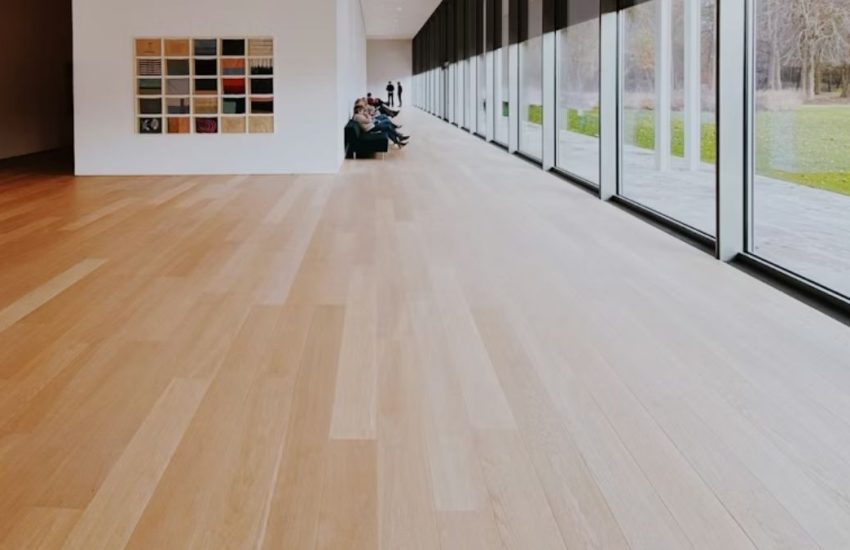
Luxury vinyl tile is a multi-layer flooring material designed to look like hardwood or stone while standing up to heavy use. The construction includes a clear wear layer on top, a photographic design layer that creates the visual effect, and a backing layer that adds stability. Property owners choose it because it delivers an upscale look without the maintenance that comes with actual wood or stone floors.
Quick Installation with Minimal Business Disruption
Installing LVT typically takes less time than laying ceramic tile or refinishing hardwood. Many products use click-lock systems or peel-and-stick backing that speeds up the process. Contractors can work in sections, finishing one area before moving to the next, which means businesses can stay partially open during installation and avoid closing down completely.
Design Versatility for Professional Spaces
LVT comes in hundreds of styles: realistic wood grain, sophisticated stone looks, and custom designs. You can select different plank widths, tile shapes, and installation patterns to match your brand. The photographic layer has become so detailed that most visitors cannot tell the difference between quality LVT and natural materials at first glance, so you are not sacrificing style when you choose a more practical commercial flooring solution.
Understanding the True Cost of LVT in Commercial Settings
Figuring out ROI starts with knowing what you will actually spend. The total investment includes the flooring material, preparation work, and installation labor.
- Material Costs: Budget options start at lower price points but come with thinner wear layers. Premium commercial-grade products cost more up front but include wear layers of 20 mils or thicker and stronger locking mechanisms, which often perform better over time and justify the extra expense.
- Installation Expenses: Subfloor condition matters. If your existing floor needs leveling or repair, that preparation increases the total cost. Proper installation extends lifespan, so working with experienced commercial flooring contractors pays off even at higher rates.
- Warranty Protection: Commercial warranties typically cover manufacturing defects and excessive wear. Premium products often include warranties ranging from 10 to 20 years, while budget options offer shorter coverage. Some manufacturers add an installation warranty when their certified installers are used.
Calculating Long-Term Savings and Maintenance Benefits
The ongoing cost of maintaining your floor significantly affects total ROI, and LVT’s low maintenance translates directly into savings that compound. Occasional deep cleaning for high-traffic areas costs far less than carpet extraction or hardwood refinishing, and the protective wear layer eliminates constant repairs. The biggest driver is replacement cycles. Commercial-grade LVT lasts 15 to 25 years compared to carpet’s 5 to 10 years, so fewer replacements mean substantial savings on removal, disposal, and installation over two decades. Not sure where to start? Compare the top LVT brands compared for commercial properties.
Lifecycle Snapshot: LVT vs Common Commercial Floors
| Flooring | Typical lifespan | Maintenance load |
|---|---|---|
| Commercial LVT | 15 to 25 years | Low: sweep and pH-neutral mop |
| Commercial carpet | 5 to 10 years | High: extraction and spot cleaning |
| VCT (vinyl composition tile) | 20 to 30 years | High: regular stripping and waxing |
How LVT Increases Commercial Property Value
Quality flooring directly affects how appraisers, buyers, and tenants evaluate a property. Modern, attractive LVT helps justify premium rents because tenants recognize a well-maintained space, which keeps properties competitive and reduces vacancy between leases. First impressions during tours influence leasing decisions, and clean flooring that does not trap odors or stain easily makes a space more memorable than competitors with dated floors. Appraisers factor flooring condition into their assessments, so quality LVT installations typically earn better condition ratings. LVT also insulates better than ceramic or concrete, and over large square footage those efficiency gains accumulate into noticeable HVAC savings.
Maximizing Your LVT Investment
Even durable LVT benefits from protective measures that extend its lifespan. Strategic protection prevents damage before it occurs.
Preventive Maintenance Strategies
Entrance mats trap dirt, moisture, and debris before they reach your LVT. Place mats at all exterior entrances and consider runners in high-traffic corridors during wet weather. Furniture pads under chairs, desks, and equipment prevent indentations and scratches from shifting furniture.
Edge and Transition Protection
Floor edges and transitions are particularly vulnerable to carts, equipment, and foot traffic. Wall base protects the perimeter where floors meet walls and prevents moisture intrusion that can damage LVT edges. Transition strips create smooth, protected connections between flooring areas, keeping edges from chipping or lifting.
High-Wear Area Solutions
Corner guards protect the intersections where walls meet in hallways and doorways, where carts and traffic damage both walls and floor edges. Stair nosing safeguards LVT on stairs from chipping and excessive wear. Protection products represent a small additional investment that can significantly extend the life of your flooring.
Making the Numbers Work for Your Commercial Property
Calculating ROI for your specific property means weighing your traffic patterns, tenant expectations, and budget. Start by estimating annual maintenance costs for your current flooring, then compare those to projected LVT maintenance. Factor in how often you will replace each flooring type over a 20-year window. This long-term view is usually where LVT’s true value shows up.
Shop This Guide
Commercial-ready LVT with wear layers built for real traffic:
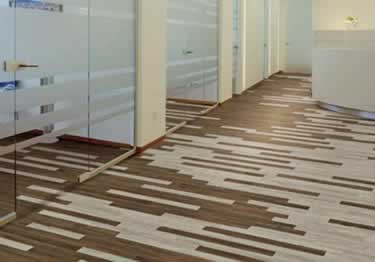
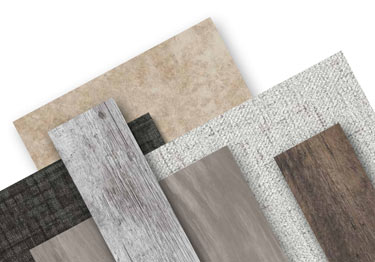
Prices, sizes, and product images populate from the live catalog. Do not ship placeholder prices.
Frequently Asked Questions
How quickly can I expect ROI from commercial LVT flooring?
Timelines vary by property type and usage, but most commercial properties see returns within 3 to 7 years through reduced maintenance and fewer replacements. High-traffic properties like retail stores typically see faster returns than lower-traffic offices.
Does LVT ROI vary by commercial property type?
Yes. High-traffic properties like retail and healthcare see faster ROI from durability, while offices and hospitality benefit more from aesthetics and tenant satisfaction, which show up as higher rents.
How do climate conditions affect LVT performance and ROI?
LVT resists moisture and temperature swings better than hardwood or carpet, holding its appearance and structure in both humid and dry conditions, which supports ROI across regions.
How much does commercial LVT flooring cost?
Material cost tracks with wear layer and construction: entry-level products sit at the low end, while 20 mil and thicker commercial lines cost more up front. Installation depends on subfloor prep. Because commercial LVT lasts 15 to 25 years, the cost per year in service is usually lower than carpet.
What wear layer is best for commercial LVT?
For commercial traffic, choose 20 mil or thicker. Lighter residential wear layers wear through faster in corridors and entrances, which erodes the ROI.
Is commercial LVT worth it compared to carpet or VCT?
Against carpet, LVT wins on lifespan and cleaning cost. Against VCT, LVT carries a higher up-front price but far lower maintenance, since VCT needs regular stripping and waxing to reach its long life. The right pick depends on budget and maintenance capacity.
Want help running the numbers for your space? Talk to the Koffler Sales team to match the right spec to your traffic, budget, and timeline.