
 Posted by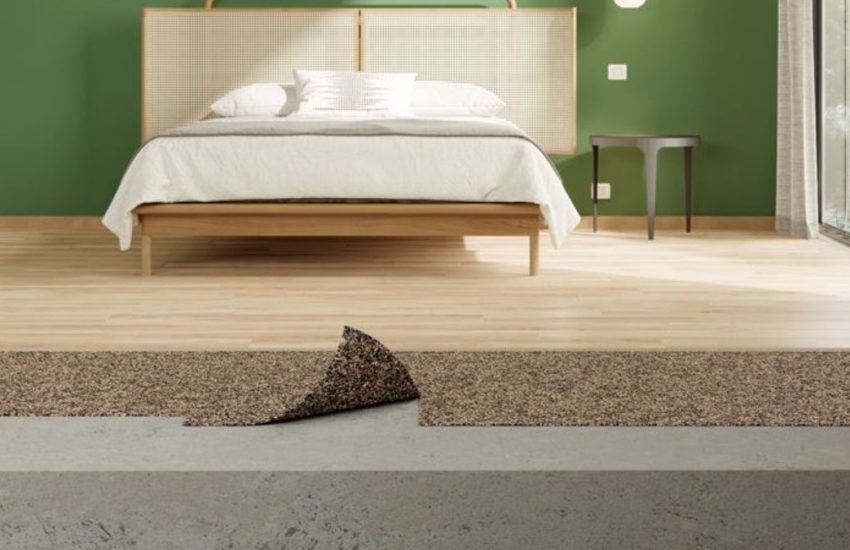
There is not a single answer for every project. Many LVT products now include an attached pad designed to provide comfort and sound absorption, and in those cases adding another layer is not just unnecessary, it can interfere with the locking system or make the floor feel unstable. When LVT comes without that built-in padding, underlayment for vinyl tile installs can be valuable. It cushions each step, reduces echo, and can serve as a moisture barrier over concrete. The need for underlayment ultimately depends on the product and the environment.
Key Takeaways
- Not all LVT requires underlayment. It depends on the product and subfloor.
- Built-in pads often replace the need for separate underlayment.
- Underlayment can improve comfort, sound, and moisture protection.
- Manufacturer guidelines should always guide your decision.
- The right choice protects both your floor’s performance and your warranty.
Factors That Influence the Need for Underlayment
One of the biggest considerations is the type of subfloor. If you are working over concrete, an underlayment with a moisture barrier is often recommended to prevent water vapor from damaging your new flooring. For wood subfloors, the focus is usually on smoothing out imperfections and reducing creaks. Another factor is whether your LVT already includes a pre-attached pad. If it does, you are generally covered, and adding another layer could compromise the installation. If it does not, underlayment may be worth the investment. Finally, think about the room’s purpose. Bedrooms and living rooms benefit most from the added comfort and quiet, while basements often require underlayment to control moisture.
Manufacturer Guidelines and Warranties
Every luxury vinyl tile brand provides installation instructions, and those guidelines are crucial. Some specify that no additional underlayment should be used, while others recommend or even require it. Ignoring these directions can risk your warranty, leaving you without coverage if problems like warping or separation occur later. Checking the manufacturer’s requirements before installation is always the best way to protect your investment. Not sure which product you have? Start with the top LVT brands and their specs.
Types of Underlayment That Work with LVT
Cork underlayment is a natural option that excels in sound absorption and comfort, though it is less suited for moisture-prone areas. Rubber and cork-rubber combo underlayments are denser and more durable, providing superior sound control and impact resistance. The combination delivers rubber’s moisture resistance and cork’s cushioning comfort, making it suitable for both residential and light commercial spaces. Foam underlayment is a lightweight choice that provides a modest cushion and basic noise reduction. It is easy to install and common in residential applications where cost and simplicity are key. In areas with potential moisture exposure, look for an integrated vapor barrier, and when in doubt choose an underlayment designed specifically for LVT or LVP so the locking system is properly supported.
Underlayment Types for LVT
| Type | Best for | Moisture | Sound |
|---|---|---|---|
| Cork | Comfort and quiet in dry rooms | Limited | Excellent |
| Rubber and cork-rubber | Residential and light commercial | Good | Superior |
| Foam | Budget residential installs | Add vapor barrier | Basic |
| Built-in pad | Products that ship pre-attached | Per product | Included |
When Underlayment Is Essential
Underlayment is essential when you are installing LVT over concrete without a built-in pad, especially in moisture-prone areas. It also makes sense when your subfloor has slight unevenness that needs smoothing, or in high-traffic spaces where sound reduction is a priority. On the other hand, if your LVT already comes with a pre-attached pad, extra underlayment may cause more harm than good by affecting stability. And if your subfloor is clean, smooth, and dry, you can sometimes install directly without any issues.
LVT Performance With and Without Underlayment
The difference is most noticeable underfoot and in how the room sounds. With underlayment, each step feels softer and more cushioned, and the room feels quieter because the material absorbs impact noise and reduces echo. In colder climates you will also notice a bit more insulation underfoot. Without underlayment, the floor still performs well, particularly when the product already has a pre-attached pad. The installation process is faster and more budget-friendly, and you still get a durable, attractive floor, just without those extra benefits.
The Value of Adding Underlayment
While underlayment adds a bit of cost, the value often outweighs the price. A modest investment per square foot can deliver years of added comfort, quieter spaces, and protection against moisture or uneven subfloors. Think of it as an extra layer of insurance for your floor. You may not always need it, but when you do, it pays off. Above all, follow the manufacturer’s guidelines for your specific brand, pair that with proper subfloor prep, and you will have a floor that lasts. When you are ready, shop Koffler’s premium underlayment selection to find the perfect fit.
Choosing between formats first? Read LVT vs LVP: what is the difference. Specifying for a facility? See the lifecycle cost in commercial properties.
Frequently Asked Questions
Can I use carpet padding under LVT?
No. Carpet padding is too thick and soft, and it will interfere with the locking system of your floor.
Do I need underlayment on a plywood subfloor?
Not always. If the subfloor is smooth and your luxury vinyl tile includes a pad, you can usually install directly.
Does underlayment reduce noise?
Yes. Materials like cork and foam are designed to absorb sound and minimize echo.
Can LVT be installed directly on concrete?
A moisture-resistant underlayment is strongly recommended over concrete unless your LVT already includes a vapor barrier.
What thickness of underlayment is right for LVT?
Follow the manufacturer’s spec. Most LVT underlayments are thin (around 1 to 2 mm) so they support the locking system without adding too much give. Thicker is not better for LVT and can void the warranty.
Do you need a vapor barrier under LVT on a slab?
For slab-on-grade or below-grade installs, choose an underlayment with an integrated vapor barrier, or confirm the LVT itself includes one. This protects the floor from rising moisture.
Not sure what your subfloor calls for? Contact Koffler and we will help you match the right underlayment to your LVT and site conditions.